2026, 42(5): 1133-1143.
DOI: 10.12449/JCH260519
Abstract:
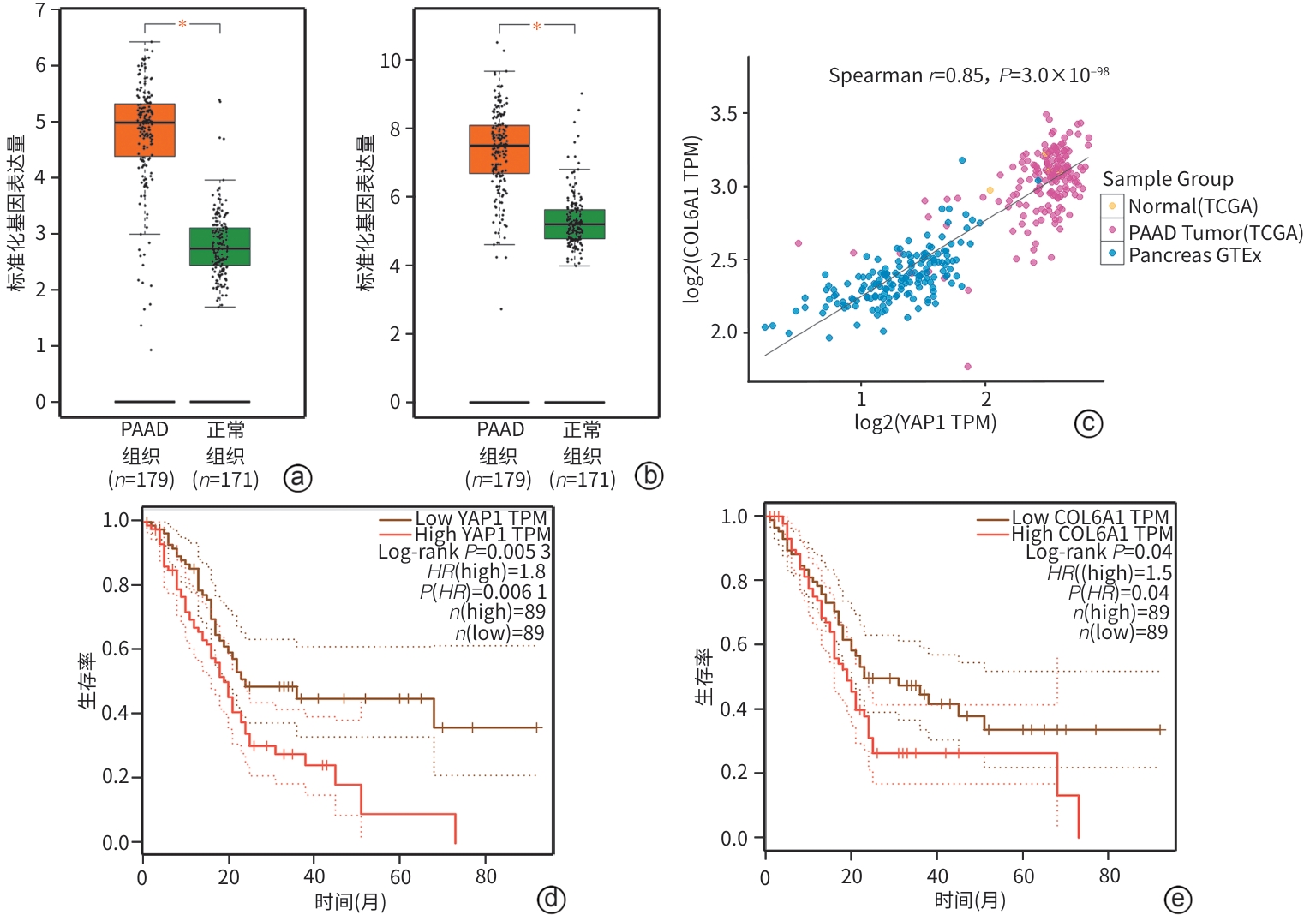
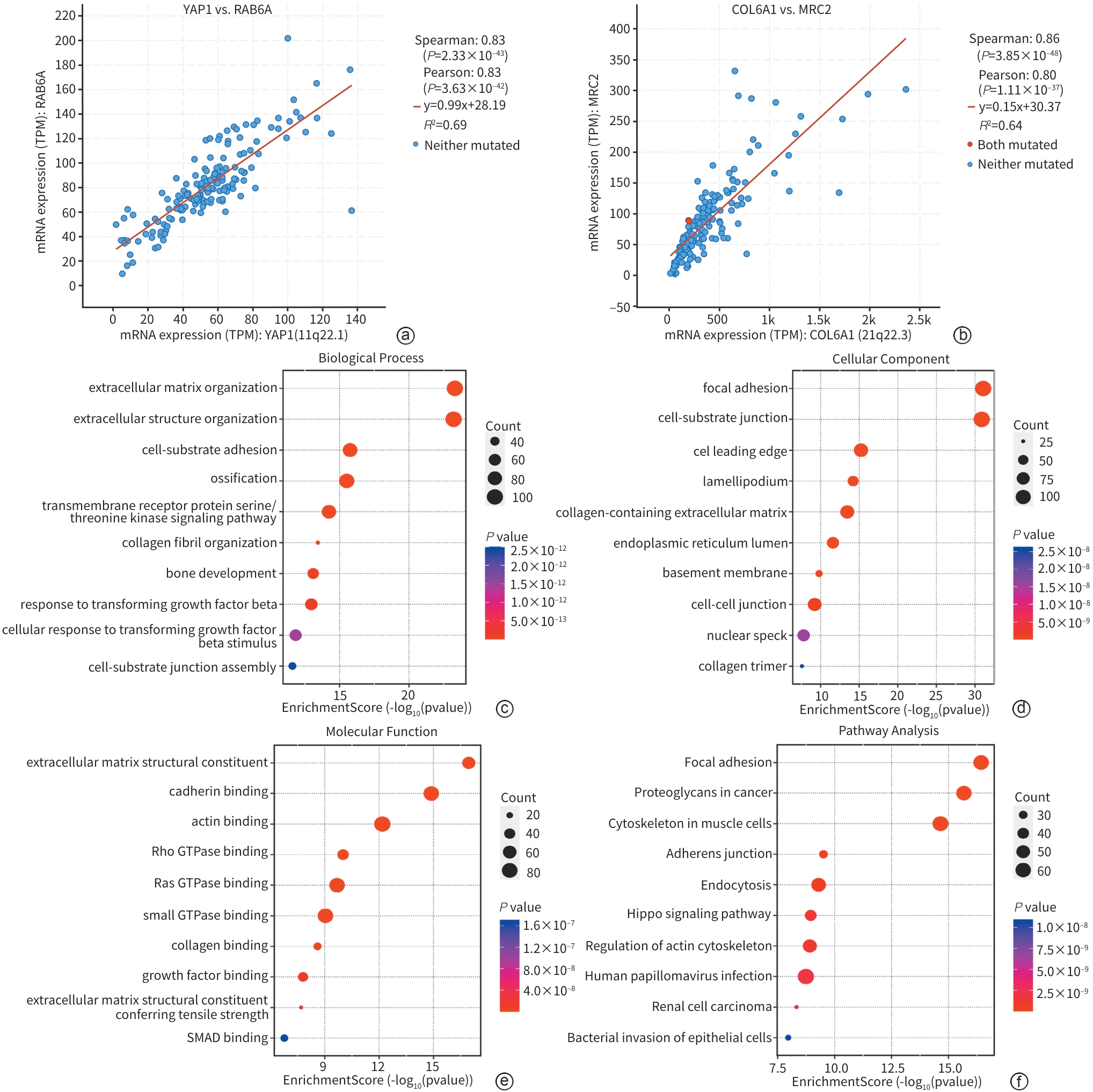
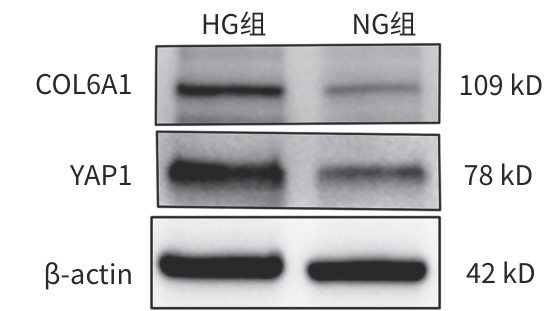
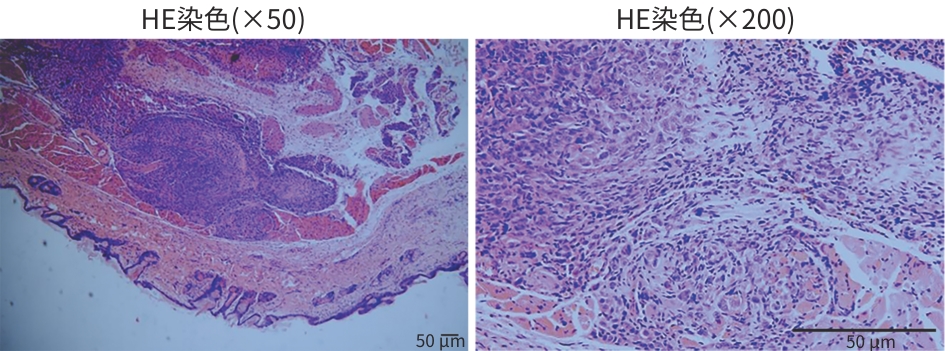
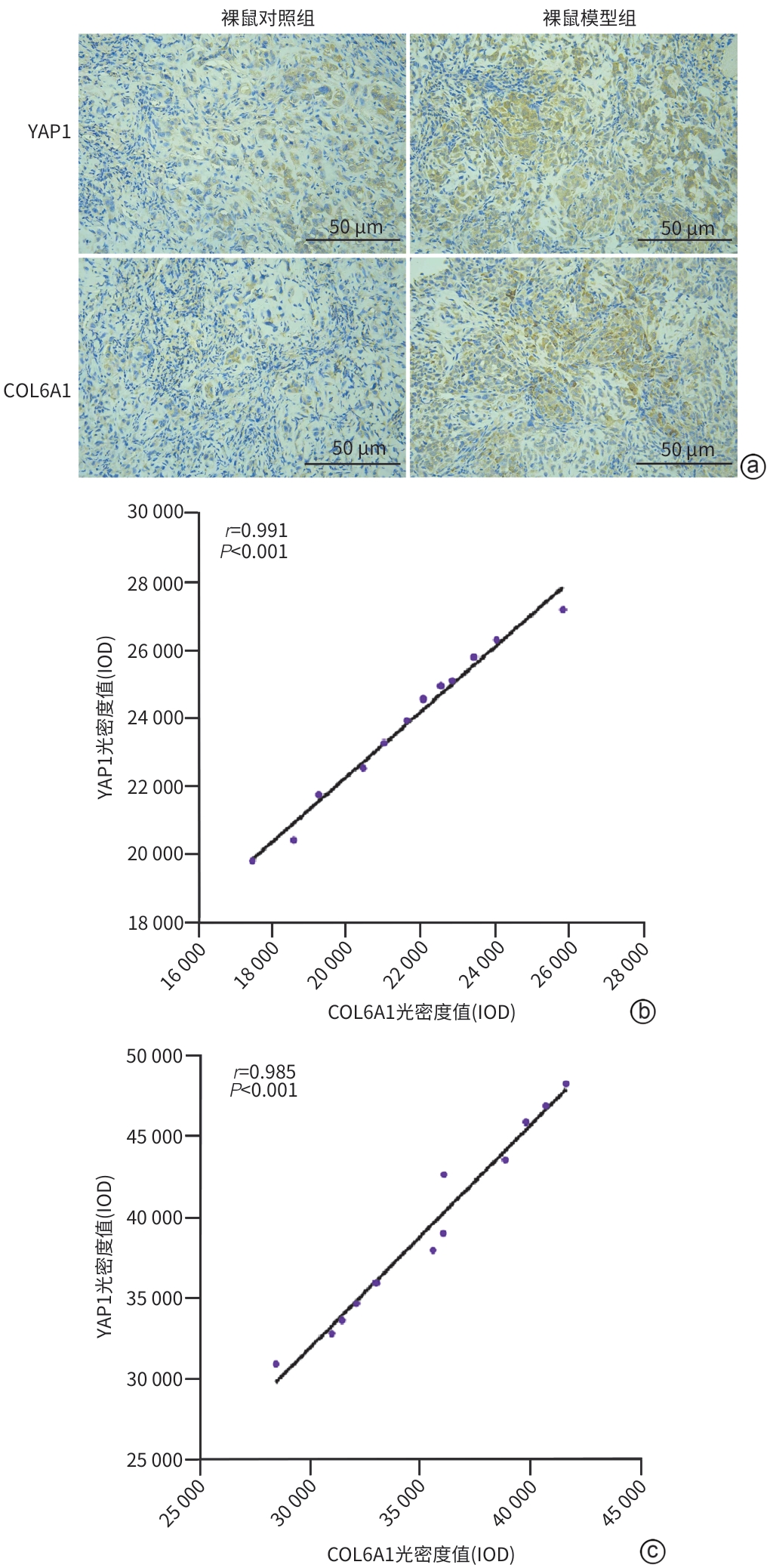
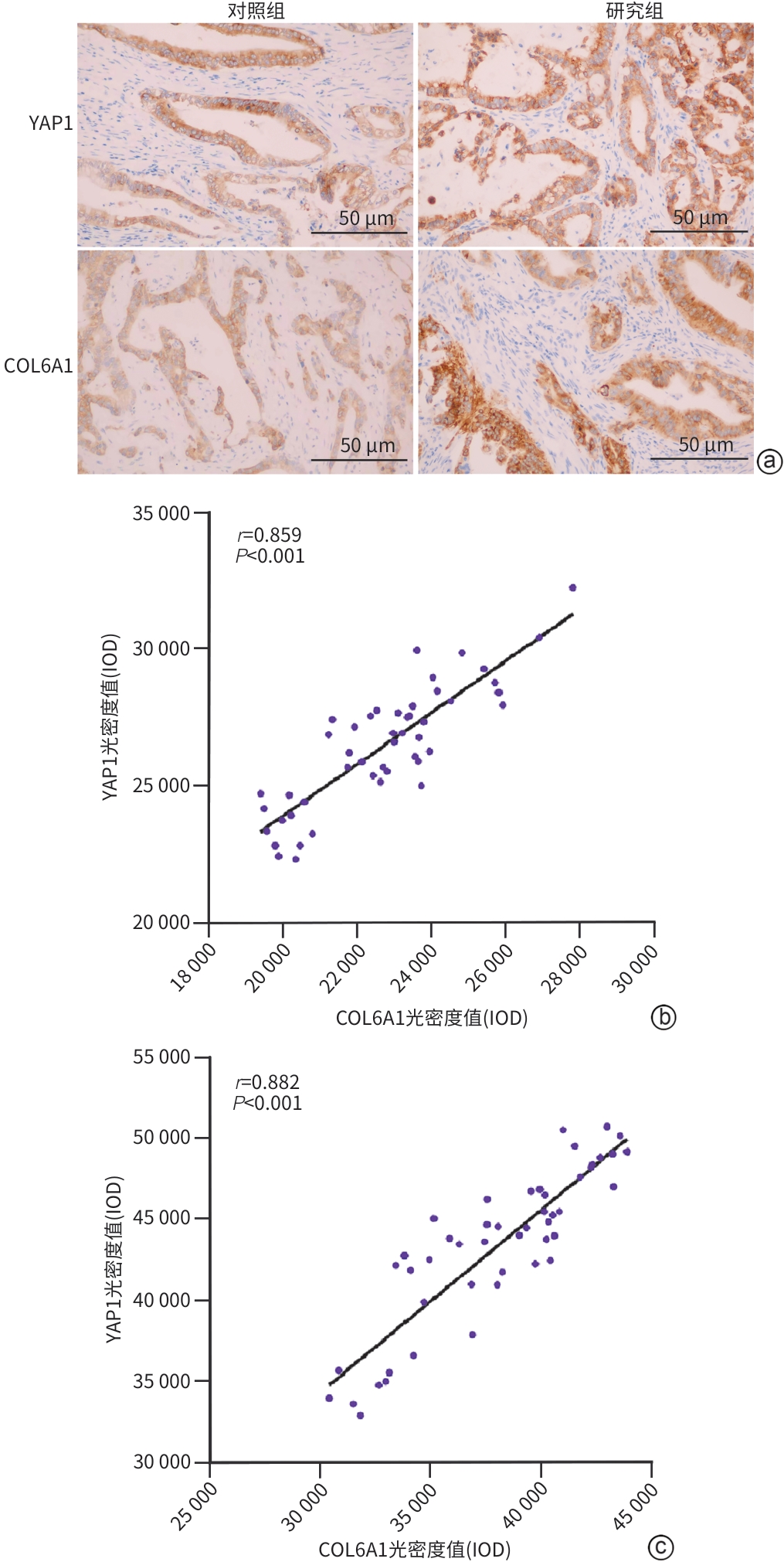
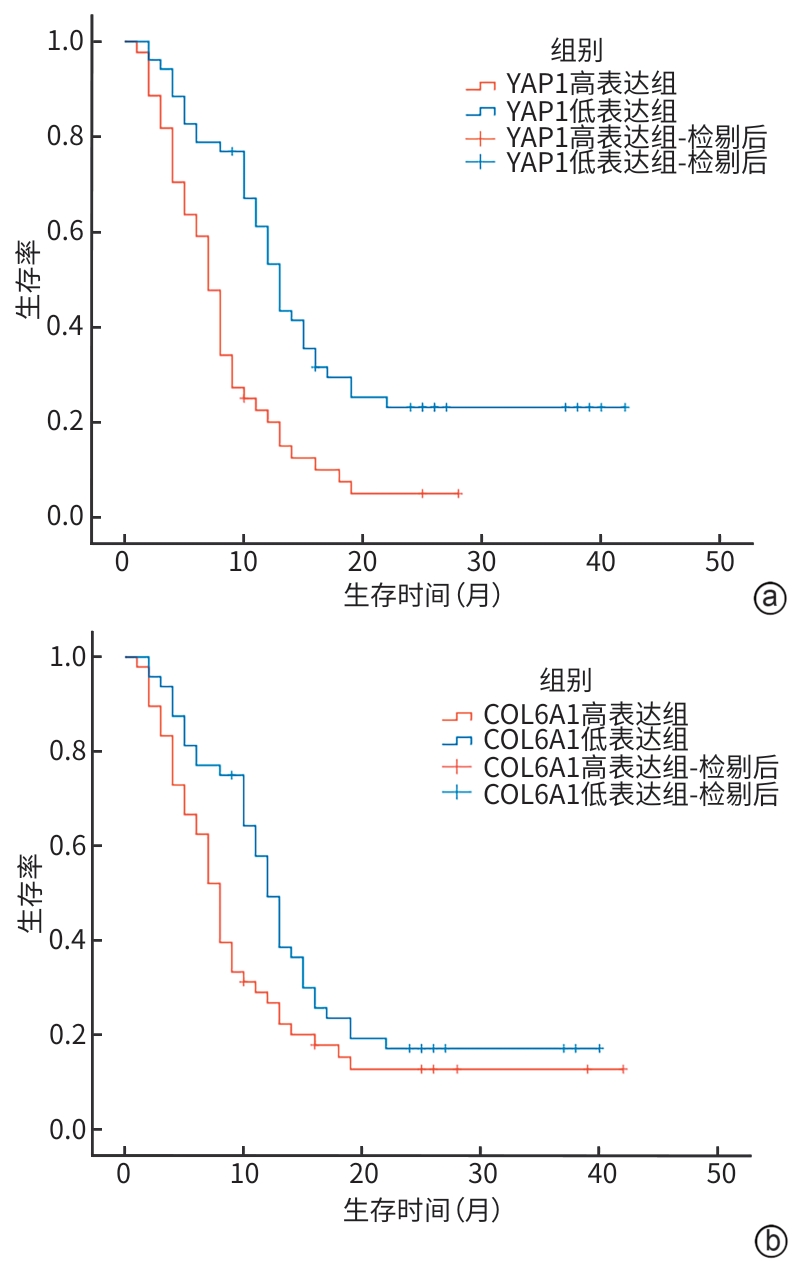
Objective To investigate the changes in the expression levels of Yes-associated protein 1 (YAP1) and human collagen type Ⅵ alpha 1 (COL6A1) in pancreatic cancer under hyperglycemic conditions and their association with prognosis. Methods GEPIA database and R software were used to analyze the expression levels of YAP1 and COL6A1 and their correlation in pancreatic cancer, as well as their impact on the prognosis of patients with pancreatic cancer. The cBioPortal database was used to identify the co-expressed genes of YAP1 and COL6A1 in pancreatic cancer, and the gene ontology (GO) and Kyoto Encyclopedia of Genes and Genomes (KEGG) enrichment analyses were performed. Quantitative real-time PCR and Western blot were used to measure the mRNA and protein expression levels of YAP1 and COL6A1 in human pancreatic cancer PANC-1 cells cultured under hyperglycemic or normoglycemic conditions. A nude mouse model of pancreatic cancer with type 2 diabetes was established, and immunohistochemistry was used to measure the expression of YAP1 and COL6A1 in subcutaneous tumor tissue. Clinical specimens and data of 96 patients with pancreatic cancer were collected from January 2016 to January 2020 in the First Affiliated Hospital of Guangxi Medical University, Guangxi Medical University Cancer Hospital and Wuming Hospital Affiliated to Guangxi Medical University. Among them, 48 patients with pancreatic cancer and diabetes were enrolled as study group, and 48 patients with pancreatic cancer alone were enrolled as control group; immunohistochemistry was used to measure the expression levels of YAP1 and COL6A1 in tissue samples from both groups, and their association with clinical indicators and survival outcomes was analyzed. The t-test was used for comparison of continuous data between groups, and the chi-square test or the Mann-Whitney U test was used for comparison of categorical data between groups; the Pearson correlation analysis was used for normally distributed continuous variables, while the Spearman correlation analysis was used for discontinuous variables or non-normally distributed variables. The Kaplan-Meier method was used to plot survival curves, and the Log-rank test was used for comparison of survival rates. The Cox proportional hazards model was used to perform univariate and multivariate analyses. Results Both YAP1 and COL6A1 were highly expressed in pancreatic cancer, with a strong correlation between them (r=0.85, P<0.001), and they were associated with the poor prognosis of patients (hazard ratio [HR]=1.8 and 1.5, both P<0.05). YAP1 and COL6A1 were significantly correlated with 219 and 122 genes, respectively (r=0.83 and 0.86, both P<0.05), and the GO and KEGG enrichment analyses showed that these genes affected the development and progression of pancreatic cancer through extracellular matrix-receptor interaction, the Hippo signaling pathway, and the phosphatidylinositol 3-kinase/protein kinase B signaling pathway. Quantitative real-time PCR and Western blot showed that there were significant increases in the mRNA and protein expression levels of YAP1 and COL6A1 in human pancreatic cancer PANC-1 cells under hyperglycemic conditions (mRNA expression: t=4.726 and 6.197, both P<0.05; protein expression: t=6.826 and 5.254, both P<0.05). Immunohistochemistry showed that there were significant increases in the expression levels of YAP1 and COL6A1 in subcutaneous tumor tissue of nude mice, with a positive correlation between them (r=0.985, P<0.001). For the clinical specimens of pancreatic cancer tissue, immunohistochemistry showed that there were significant increases in the positive expression levels of YAP1 and COL6A1 proteins in the study group, with a positive correlation between them (r=0.882, P<0.001). The multivariate analysis of clinical data showed that lymph node metastasis (HR=0.083, 95% confidence interval [CI]: 0.030 — 0.231, P<0.05), distant organ metastasis (HR=0.166, 95%CI: 0.065 — 0.420, P<0.05), YAP1 expression level (HR=2.027, 95%CI: 1.065 — 3.857, P<0.05), and COL6A1 expression level (HR=2.044, 95%CI: 1.019 — 4.099, P<0.05) were independent influencing factors for the prognosis of patients with pancreatic cancer. The survival analysis showed that the high YAP1 expression group had a significantly lower 2-year survival rate than the low YAP1 expression group (6.82% vs 25.00%, χ2=16.382, P<0.001), and the high COL6A1 expression group had a significantly lower 2-year survival rate than the low COL6A1 expression group (14.58% vs 18.75%, χ2=4.579, P=0.032). Conclusion The hyperglycemic environment promotes the high expression of YAP1 and COL6A1 in pancreatic cancer, which is associated with poor prognosis in patients.
LIAO JH, HUANG XH, LI RH, et al. Expression levels of Yes-associated protein 1 and human collagen type VI alpha 1 in pancreatic cancer under hyperglycemic conditions and their impact on prognosis[J]. J Clin Hepatol, 2026, 42(5): 1133-1143.. doi: 10.12449/JCH260519.


 Abstract
 HTML
HTML PDF (696KB)