



 Abstract
 PDF (0KB)
Vol.42 No.8 (310 in total) Aug. 2026
Theme Issue: Acute-on-Chronic Liver Failure: Recent Advances and New Insights
Executive Chief Editor: Chen Yu
Beijing YouAn Hospital, Capital Medical University
Display Method:
2026, 42(8): 1745-1748.
DOI: 10.12449/JCH260801
 HTML
HTML
Abstract:
Acute-on-chronic liver failure (ACLF) is an acute decompensation syndrome that develops on the background of chronic liver disease and is characterized by high mortality, rapid disease progression, complex clinical phenotypes, and a narrow window for reversibility. At present, there is still a lack of a unified standardized diagnostic system for ACLF globally, and there are significant differences between different diagnostic criteria in terms of liver failure, extrahepatic organ failure, and high-risk states within specific etiological contexts. To achieve individualized risk stratification of ACLF patients and optimize the allocation of clinical resources, it is urgently needed to establish a scientifically sound and precise classification system. Traditional static diagnostic models are confined only to baseline assessment and mortality prediction and fail to reflect dynamic disease evolution or effectively distinguish treatment response across different groups of patients. This article systematically reviews the major definitions and classification systems of ACLF at the current stage, analyzes the application value and limitations of various classification frameworks in clinical treatment decision-making, prognostic risk assessment, and clinical trial design, and proposes that the clinical classification system for ACLF should move beyond the single baseline evaluation approach toward a dynamic, treatment-oriented, and cross-etiology integrated assessment model, in order to provide a more precise theoretical basis for clinical diagnosis and treatment regarding artificial liver support, intensive care management, liver regeneration therapies, and determination of indications for liver transplantation.
Acute-on-chronic liver failure (ACLF) is an acute decompensation syndrome that develops on the background of chronic liver disease and is characterized by high mortality, rapid disease progression, complex clinical phenotypes, and a narrow window for reversibility. At present, there is still a lack of a unified standardized diagnostic system for ACLF globally, and there are significant differences between different diagnostic criteria in terms of liver failure, extrahepatic organ failure, and high-risk states within specific etiological contexts. To achieve individualized risk stratification of ACLF patients and optimize the allocation of clinical resources, it is urgently needed to establish a scientifically sound and precise classification system. Traditional static diagnostic models are confined only to baseline assessment and mortality prediction and fail to reflect dynamic disease evolution or effectively distinguish treatment response across different groups of patients. This article systematically reviews the major definitions and classification systems of ACLF at the current stage, analyzes the application value and limitations of various classification frameworks in clinical treatment decision-making, prognostic risk assessment, and clinical trial design, and proposes that the clinical classification system for ACLF should move beyond the single baseline evaluation approach toward a dynamic, treatment-oriented, and cross-etiology integrated assessment model, in order to provide a more precise theoretical basis for clinical diagnosis and treatment regarding artificial liver support, intensive care management, liver regeneration therapies, and determination of indications for liver transplantation.
2026, 42(8): 1749-1754.
DOI: 10.12449/JCH260802
Abstract:
Infection is not only a common predisposing factor for acute-on-chronic liver failure (ACLF), but also a critical complication of ACLF, and it is closely associated with multiple organ failure and high mortality. This article systematically reviews the recent advances in the epidemiology, clinical and etiological features, pathogenesis, and diagnosis and treatment strategies of ACLF with infection, in order to provide guidance for further optimizing clinical decision-making and exploring novel diagnostic and treatment methods for such patients.
Infection is not only a common predisposing factor for acute-on-chronic liver failure (ACLF), but also a critical complication of ACLF, and it is closely associated with multiple organ failure and high mortality. This article systematically reviews the recent advances in the epidemiology, clinical and etiological features, pathogenesis, and diagnosis and treatment strategies of ACLF with infection, in order to provide guidance for further optimizing clinical decision-making and exploring novel diagnostic and treatment methods for such patients.
2026, 42(8): 1755-1760.
DOI: 10.12449/JCH260803
Abstract:
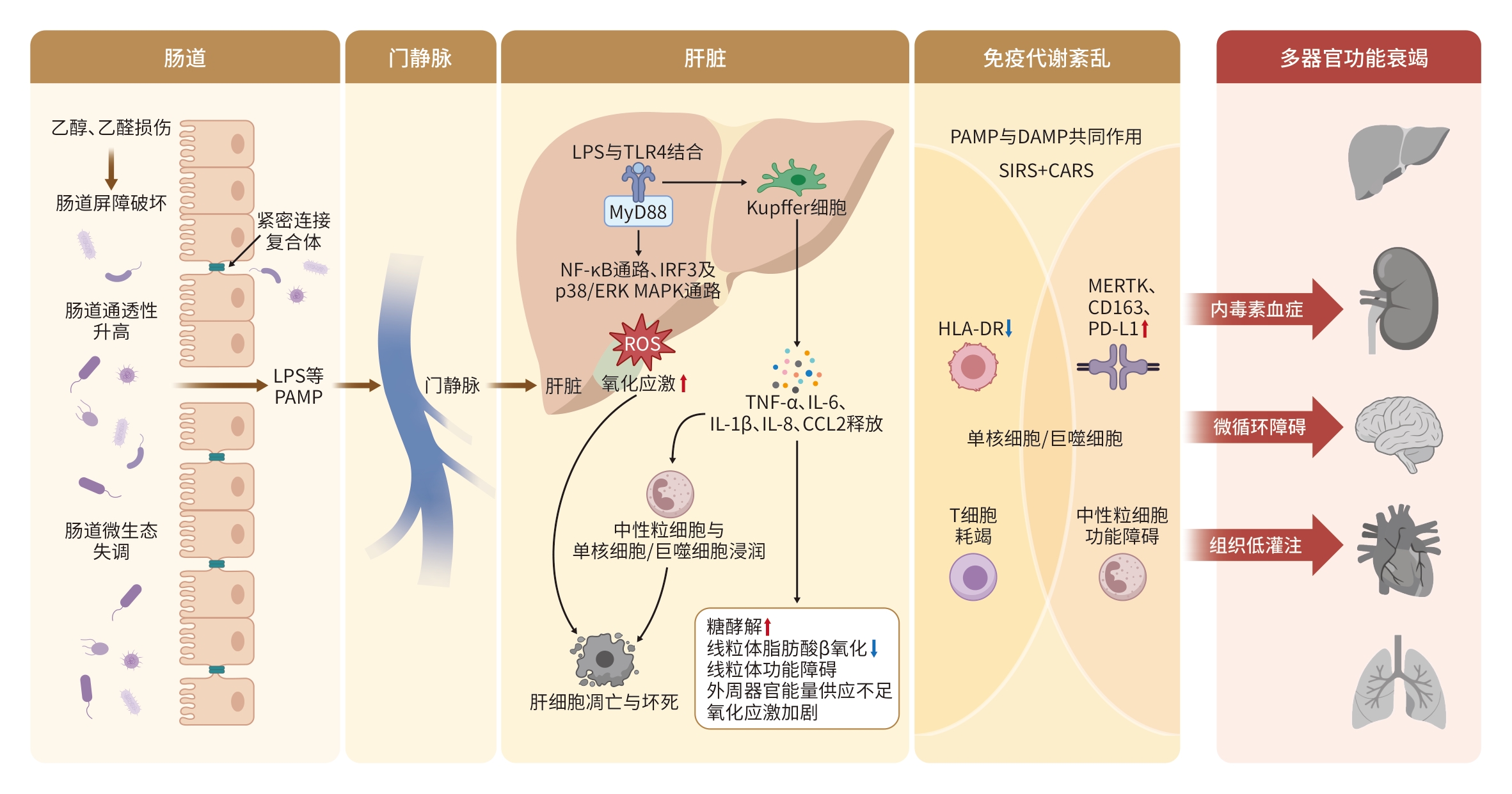
Acute-on-chronic liver failure (ACLF) is a high-mortality syndrome that develops during the acute deterioration of chronic liver disease and is characterized by multiple organ dysfunction driven by systemic inflammation. Due to gut microbiota dysbiosis, endotoxin translocation, and amplified inflammatory responses, alcohol-related liver disease-associated ACLF (ALD-ACLF) is more pronounced and is often accompanied by a high risk of secondary infection and extrahepatic organ involvement, thereby exhibiting distinct etiological and clinical characteristics. This article systematically reviews the advances in the definitional boundaries, pathophysiological mechanisms, dynamic early warning, and prognostic assessment of ALD-ACLF, elaborates on risk stratification and key issues in clinical management, and discusses the potential impact of the dual-hit phenotype of metabolic dysfunction and alcohol-related liver disease on risk stratification in ALD-ACLF. This article also highlights the need to further strengthen etiology-oriented early identification, dynamic stratification, control of predisposing factors, and earlier intervention, in order to provide a reference for the precise assessment and individualized intervention of these patients.
Acute-on-chronic liver failure (ACLF) is a high-mortality syndrome that develops during the acute deterioration of chronic liver disease and is characterized by multiple organ dysfunction driven by systemic inflammation. Due to gut microbiota dysbiosis, endotoxin translocation, and amplified inflammatory responses, alcohol-related liver disease-associated ACLF (ALD-ACLF) is more pronounced and is often accompanied by a high risk of secondary infection and extrahepatic organ involvement, thereby exhibiting distinct etiological and clinical characteristics. This article systematically reviews the advances in the definitional boundaries, pathophysiological mechanisms, dynamic early warning, and prognostic assessment of ALD-ACLF, elaborates on risk stratification and key issues in clinical management, and discusses the potential impact of the dual-hit phenotype of metabolic dysfunction and alcohol-related liver disease on risk stratification in ALD-ACLF. This article also highlights the need to further strengthen etiology-oriented early identification, dynamic stratification, control of predisposing factors, and earlier intervention, in order to provide a reference for the precise assessment and individualized intervention of these patients.
2026, 42(8): 1761-1765.
DOI: 10.12449/JCH260804
Abstract:
Acute-on-chronic liver failure (ACLF) is a clinical syndrome characterized by rapid disease progression and extremely high short-term mortality, and the number and severity of complications are core factors contributing to poor prognosis. However, there is still a lack of systematic evaluations of the impact of single or multiple complications of ACLF on prognosis, as well as the clinical value of standardized complication management. This article systematically reviews the impact of common complications of ACLF on prognosis and related management strategies, in order to provide a reference for clinical practice.
Acute-on-chronic liver failure (ACLF) is a clinical syndrome characterized by rapid disease progression and extremely high short-term mortality, and the number and severity of complications are core factors contributing to poor prognosis. However, there is still a lack of systematic evaluations of the impact of single or multiple complications of ACLF on prognosis, as well as the clinical value of standardized complication management. This article systematically reviews the impact of common complications of ACLF on prognosis and related management strategies, in order to provide a reference for clinical practice.
2026, 42(8): 1766-1772.
DOI: 10.12449/JCH260805
Abstract:
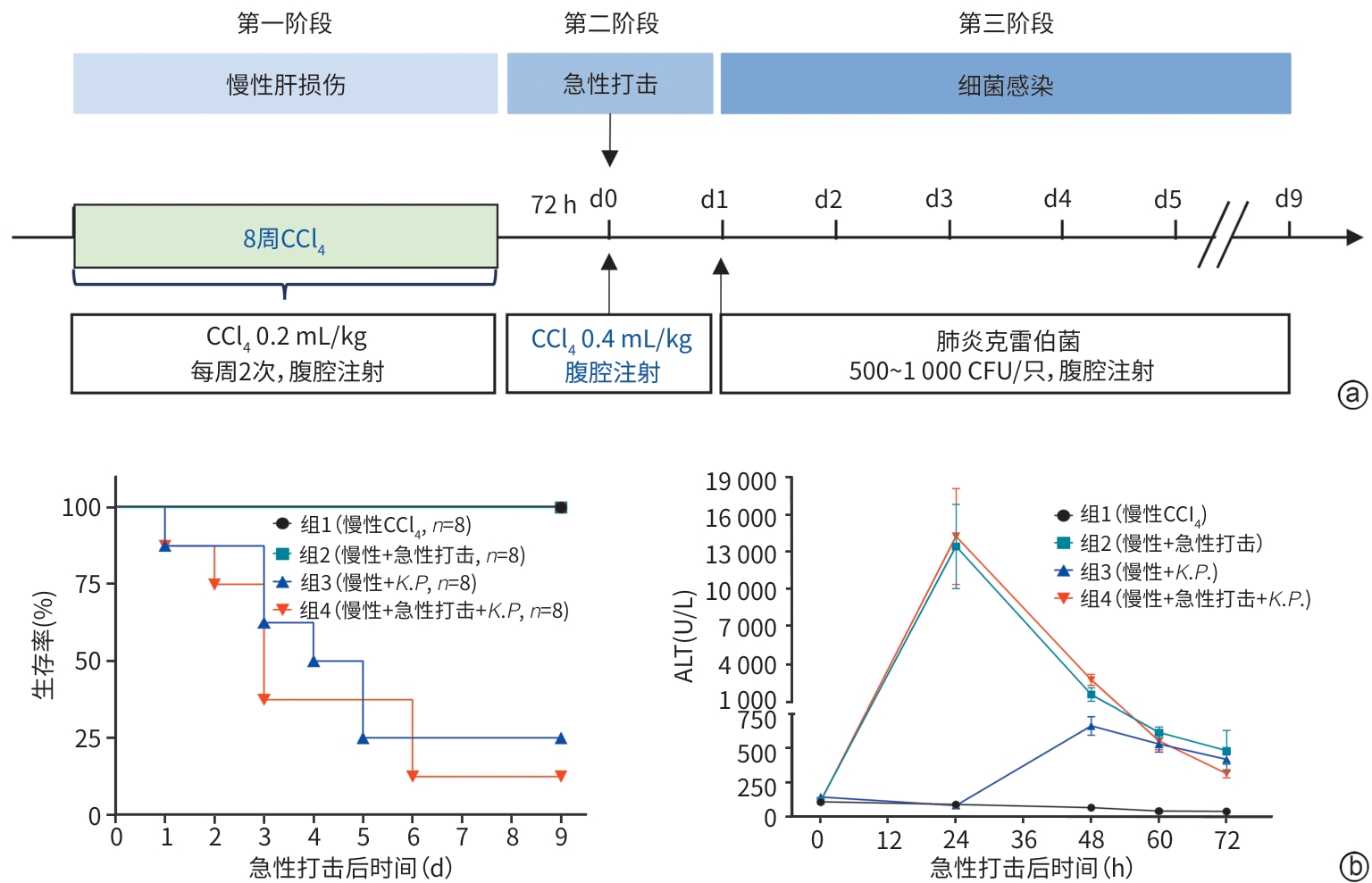
Acute-on-chronic liver failure (ACLF) is a severe clinical syndrome characterized by acute decompensation of liver function, extrahepatic organ injury, and a high short-term mortality rate, with a complex pathogenesis that has not yet been fully clarified. Animal models of ACLF play a crucial role in disease research, since they not only provide a solid foundation for mechanistic studies, but also offer experimental evidence for clinical practice, thereby helping to promote advances in diagnosis and treatment. This article systematically reviews the commonly used animal models of ACLF, compares the establishment methods, pathophysiological characteristics, advantages, and limitations of different models, and discusses the latest research advances in animal models and innovative therapeutic strategies in the field, in order to provide a reference for further optimization, standardization, and application of animal models for ACLF.
Acute-on-chronic liver failure (ACLF) is a severe clinical syndrome characterized by acute decompensation of liver function, extrahepatic organ injury, and a high short-term mortality rate, with a complex pathogenesis that has not yet been fully clarified. Animal models of ACLF play a crucial role in disease research, since they not only provide a solid foundation for mechanistic studies, but also offer experimental evidence for clinical practice, thereby helping to promote advances in diagnosis and treatment. This article systematically reviews the commonly used animal models of ACLF, compares the establishment methods, pathophysiological characteristics, advantages, and limitations of different models, and discusses the latest research advances in animal models and innovative therapeutic strategies in the field, in order to provide a reference for further optimization, standardization, and application of animal models for ACLF.
2026, 42(8): 1773-1777.
DOI: 10.12449/JCH260806
Abstract:
China bears a substantial disease burden of chronic hepatitis B (CHB). Under current clinical management regimens for CHB, achieving functional cure (also termed clinical cure) is the core goal for the treatment of patients meeting treatment indications. To achieve the goal of functional cure, drug regulatory authorities in China and globally have successively issued technical criteria to provide guidance for the overall design and scientific evaluation of clinical trials for innovative drugs. However, the rapid development in scientific research, clinical practice, and new drug research and development in this field has brought new challenges, especially those concerning the assessment of the clinical value of investigational drugs. This article reviews the current status of clinical research and development of new drugs for achieving the functional cure of CHB worldwide, analyzes the characteristics of available clinical trial data, and focuses on key aspects of pivotal clinical trials for CHB functional cure drugs, including target populations (baseline HBsAg level), HBsAg seroclearance response, HBsAg seroreversion after drug withdrawal, and clinically meaningful target threshold of functional cure response rate, in order to provide a reference for further refinement of related technical criteria.
China bears a substantial disease burden of chronic hepatitis B (CHB). Under current clinical management regimens for CHB, achieving functional cure (also termed clinical cure) is the core goal for the treatment of patients meeting treatment indications. To achieve the goal of functional cure, drug regulatory authorities in China and globally have successively issued technical criteria to provide guidance for the overall design and scientific evaluation of clinical trials for innovative drugs. However, the rapid development in scientific research, clinical practice, and new drug research and development in this field has brought new challenges, especially those concerning the assessment of the clinical value of investigational drugs. This article reviews the current status of clinical research and development of new drugs for achieving the functional cure of CHB worldwide, analyzes the characteristics of available clinical trial data, and focuses on key aspects of pivotal clinical trials for CHB functional cure drugs, including target populations (baseline HBsAg level), HBsAg seroclearance response, HBsAg seroreversion after drug withdrawal, and clinically meaningful target threshold of functional cure response rate, in order to provide a reference for further refinement of related technical criteria.
2026, 42(8): 1778-1781.
DOI: 10.12449/JCH260807
Abstract:
Achieving the functional cure (clinical cure) of hepatitis B is the primary goal of current clinical hepatology and novel drug research and development. In 2023, the Center for Drug Evaluation, National Medical Products Administration, issued Technical guidance for clinical trials of therapeutic drugs for chronic hepatitis B virus infection to establish a top-level regulatory framework. Supporting Q&A documents for public consultation were released in July 2026 to provide practical policy guidance for the research and development of novel hepatitis B drugs, which has far-reaching implications for clinical investigators, innovative pharmaceutical enterprises, and the development of hepatology.
Achieving the functional cure (clinical cure) of hepatitis B is the primary goal of current clinical hepatology and novel drug research and development. In 2023, the Center for Drug Evaluation, National Medical Products Administration, issued Technical guidance for clinical trials of therapeutic drugs for chronic hepatitis B virus infection to establish a top-level regulatory framework. Supporting Q&A documents for public consultation were released in July 2026 to provide practical policy guidance for the research and development of novel hepatitis B drugs, which has far-reaching implications for clinical investigators, innovative pharmaceutical enterprises, and the development of hepatology.
2026, 42(8): 1782-1789.
DOI: 10.12449/JCH260808
Abstract:
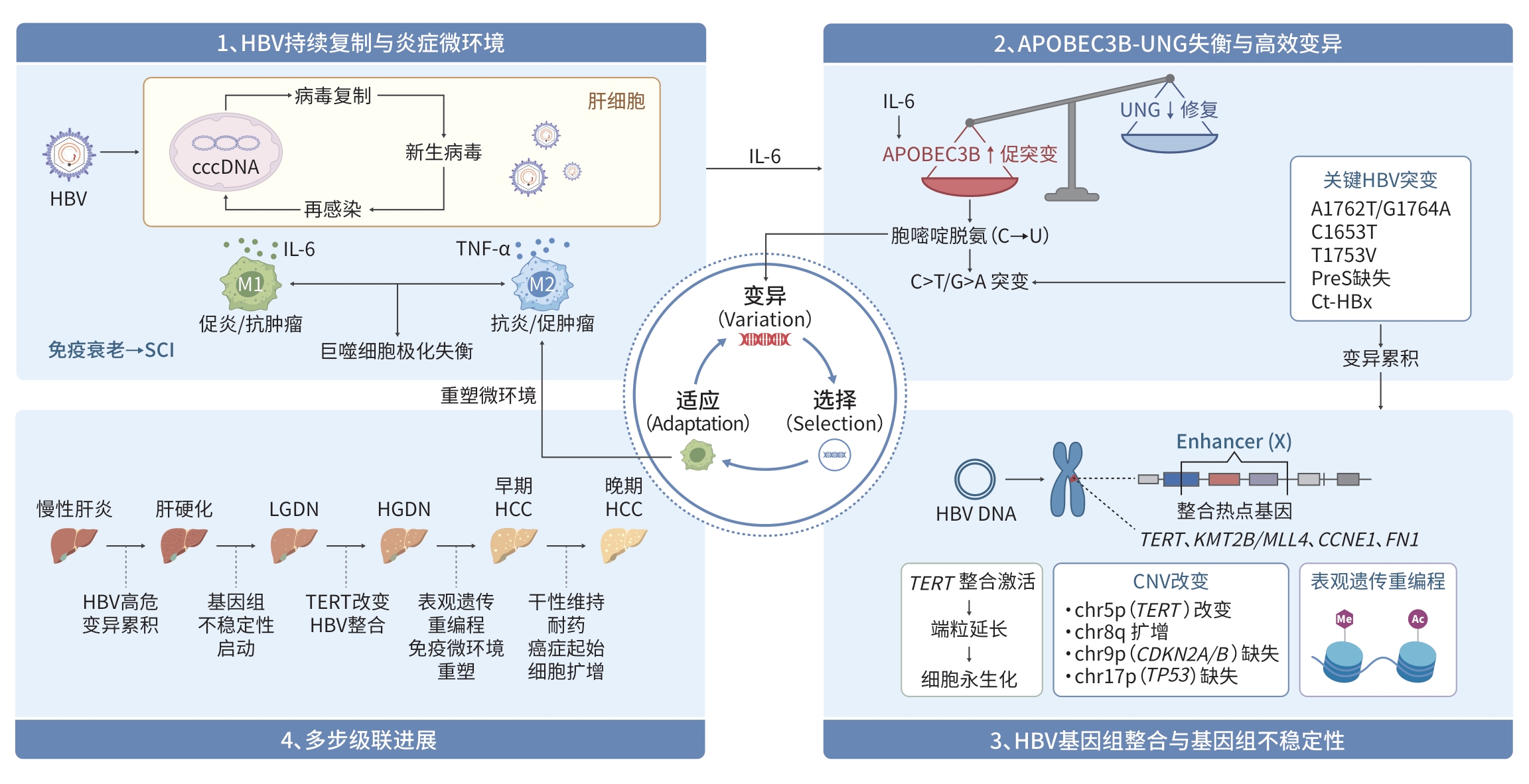
Chronic hepatitis B virus (HBV) infection is a major cause of hepatocellular carcinoma (HCC), with a population-attributable fraction of 57.1% for HCC globally and 76.1% for HCC in China. Identifying the early molecular mechanisms of HBV-driven hepatocarcinogenesis can facilitate precise HCC prevention. Persistent HBV replication, HBV mutation, HBV integration, and the synergistic interplay among them are the main mechanisms of HBV-driven hepatocarcinogenesis. HBV replication activates and sustains a chronic hepatic inflammatory microenvironment, providing conditions for accumulation of viral mutations; under the conditions of chronic inflammation, inflammatory factors cause the imbalance between apolipoprotein B messenger RNA editing enzyme catalytic polypeptide-like 3B and uracil-DNA glycosylase, which promotes HBV mutations and human genomic mutations and enhances the carcinogenic effect of HBV mutations, and the inflammatory microenvironment can promote dedifferentiation of mutated cells and acquisition of stemness; HBV genome integration can cause “gate-keeper” mutations including telomerase reverse transcriptase (TERT) promoter mutation, thereby triggering chromosomal instability and epigenetic reprogramming. The three events of HBV replication, mutation, and integration work synergistically under the evolutionary principle of “variation-selection-adaptation” and jointly drive the development and progression of HCC. The high-risk HBV mutation profile, circulating HBV integration fragments, and the TERT promoter mutations can be used to guide precision HCC prevention via antiviral prophylaxis and assist in early screening and monitoring of postoperative recurrence, which provides a scientific basis for refining stratified prevention and control strategies against HCC.
Chronic hepatitis B virus (HBV) infection is a major cause of hepatocellular carcinoma (HCC), with a population-attributable fraction of 57.1% for HCC globally and 76.1% for HCC in China. Identifying the early molecular mechanisms of HBV-driven hepatocarcinogenesis can facilitate precise HCC prevention. Persistent HBV replication, HBV mutation, HBV integration, and the synergistic interplay among them are the main mechanisms of HBV-driven hepatocarcinogenesis. HBV replication activates and sustains a chronic hepatic inflammatory microenvironment, providing conditions for accumulation of viral mutations; under the conditions of chronic inflammation, inflammatory factors cause the imbalance between apolipoprotein B messenger RNA editing enzyme catalytic polypeptide-like 3B and uracil-DNA glycosylase, which promotes HBV mutations and human genomic mutations and enhances the carcinogenic effect of HBV mutations, and the inflammatory microenvironment can promote dedifferentiation of mutated cells and acquisition of stemness; HBV genome integration can cause “gate-keeper” mutations including telomerase reverse transcriptase (TERT) promoter mutation, thereby triggering chromosomal instability and epigenetic reprogramming. The three events of HBV replication, mutation, and integration work synergistically under the evolutionary principle of “variation-selection-adaptation” and jointly drive the development and progression of HCC. The high-risk HBV mutation profile, circulating HBV integration fragments, and the TERT promoter mutations can be used to guide precision HCC prevention via antiviral prophylaxis and assist in early screening and monitoring of postoperative recurrence, which provides a scientific basis for refining stratified prevention and control strategies against HCC.
2026, 42(8): 1790-1798.
DOI: 10.12449/JCH260809
Abstract:
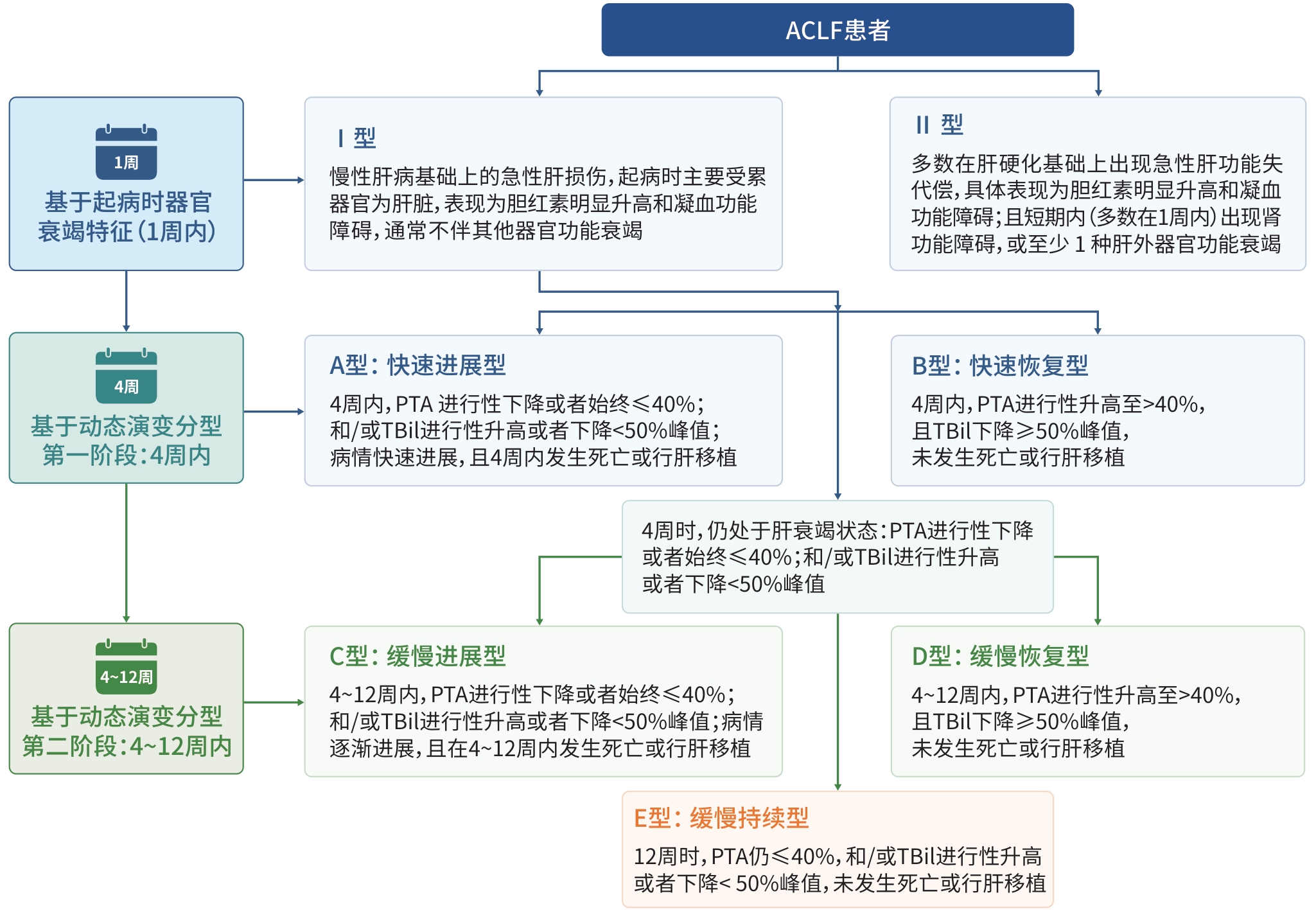
Acute-on-chronic liver failure (ACLF) is characterized by marked heterogeneity and potential reversibility and thus requires refined clinical classification to achieve precise diagnosis and treatment. Establishing a scientific, standardized, simple, and practical clinical classification system is of great importance for disease assessment, prognostic evaluation, therapeutic decision-making, and stratified management. Based on the actual needs of the clinical diagnosis and treatment of ACLF in China and with reference to related guidelines, evidence-based medical evidence, and expert opinion in China and globally, this consensus summarizes the methods for ACLF classification and their application in clinical practice, in order to improve clinical identification and stratified diagnosis and treatment, promote precise diagnosis and treatment, and ultimately improve the prognosis of patients.
Acute-on-chronic liver failure (ACLF) is characterized by marked heterogeneity and potential reversibility and thus requires refined clinical classification to achieve precise diagnosis and treatment. Establishing a scientific, standardized, simple, and practical clinical classification system is of great importance for disease assessment, prognostic evaluation, therapeutic decision-making, and stratified management. Based on the actual needs of the clinical diagnosis and treatment of ACLF in China and with reference to related guidelines, evidence-based medical evidence, and expert opinion in China and globally, this consensus summarizes the methods for ACLF classification and their application in clinical practice, in order to improve clinical identification and stratified diagnosis and treatment, promote precise diagnosis and treatment, and ultimately improve the prognosis of patients.
2026, 42(8): 1799-1806.
DOI: 10.12449/JCH260810
Abstract:
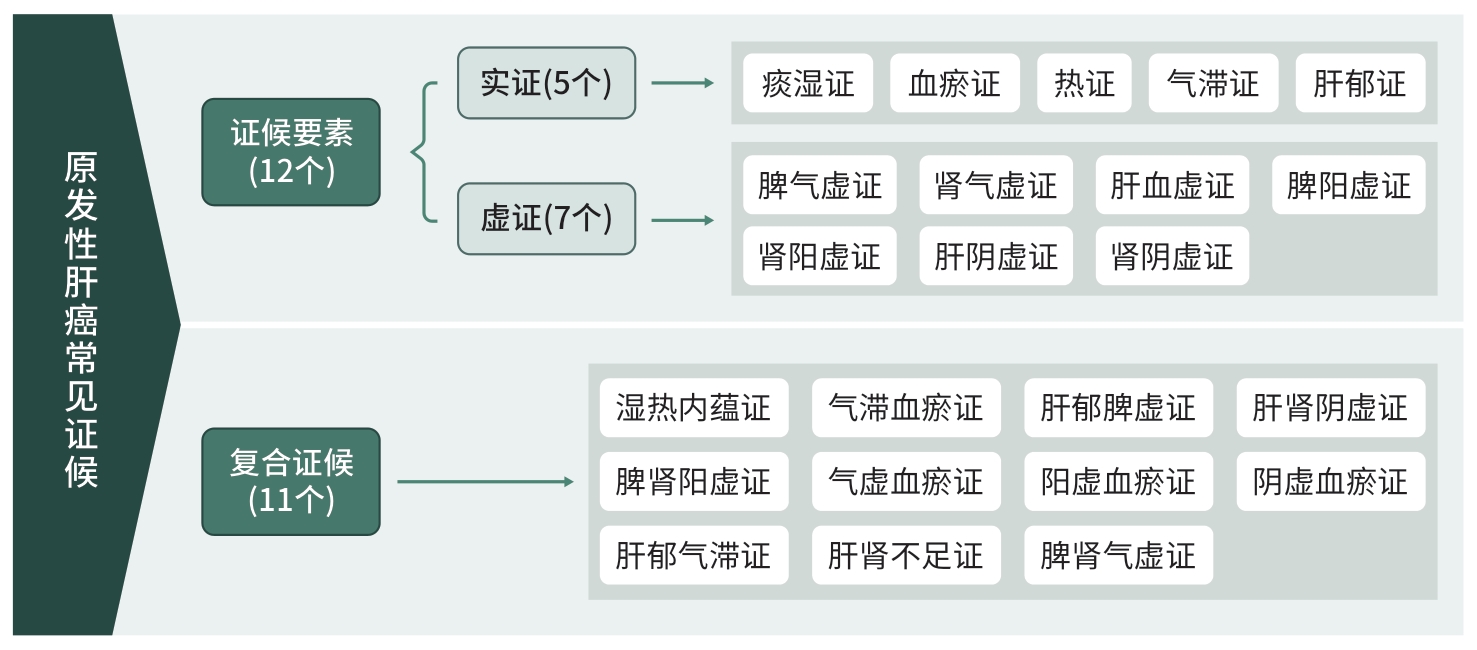
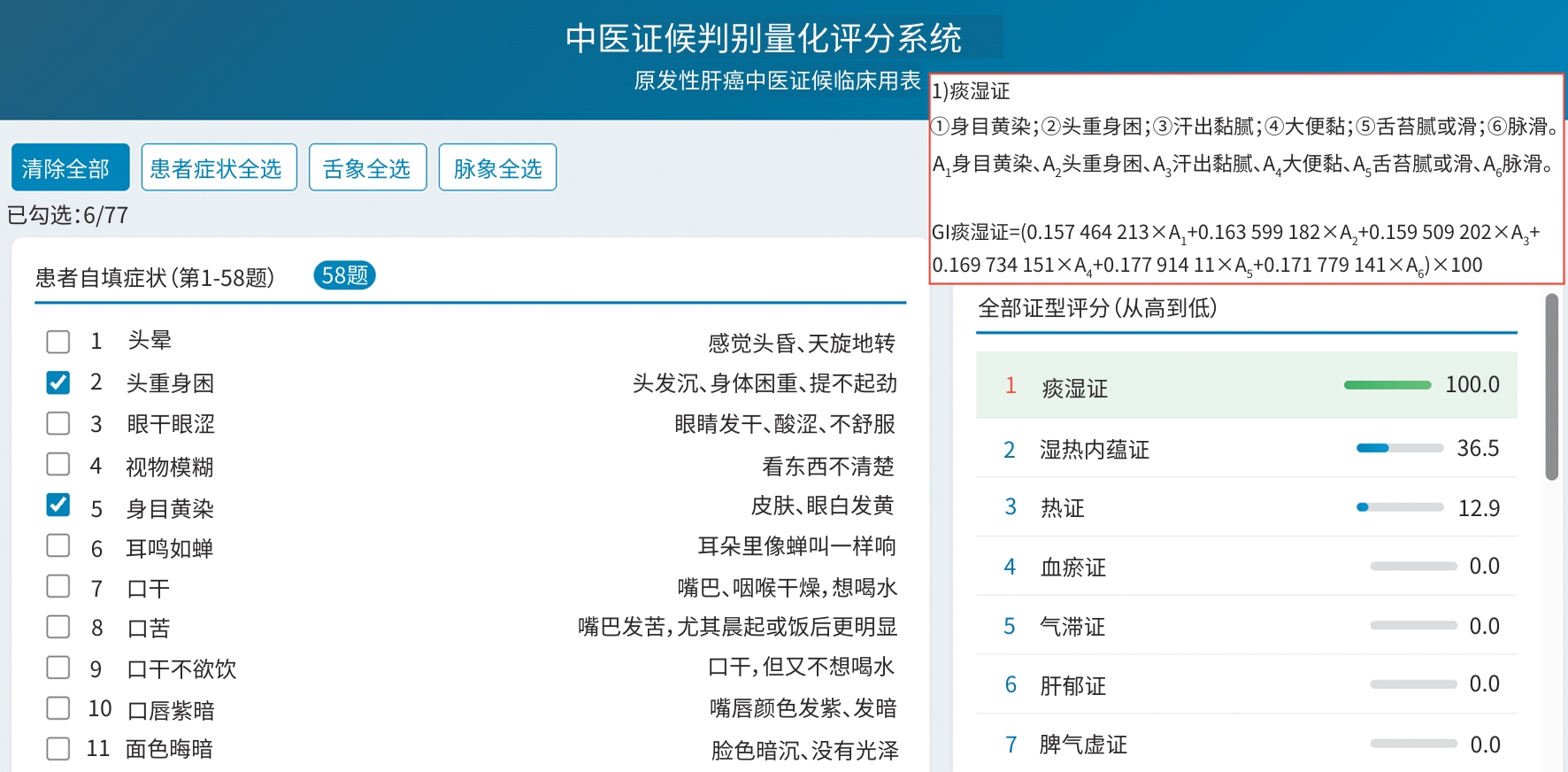
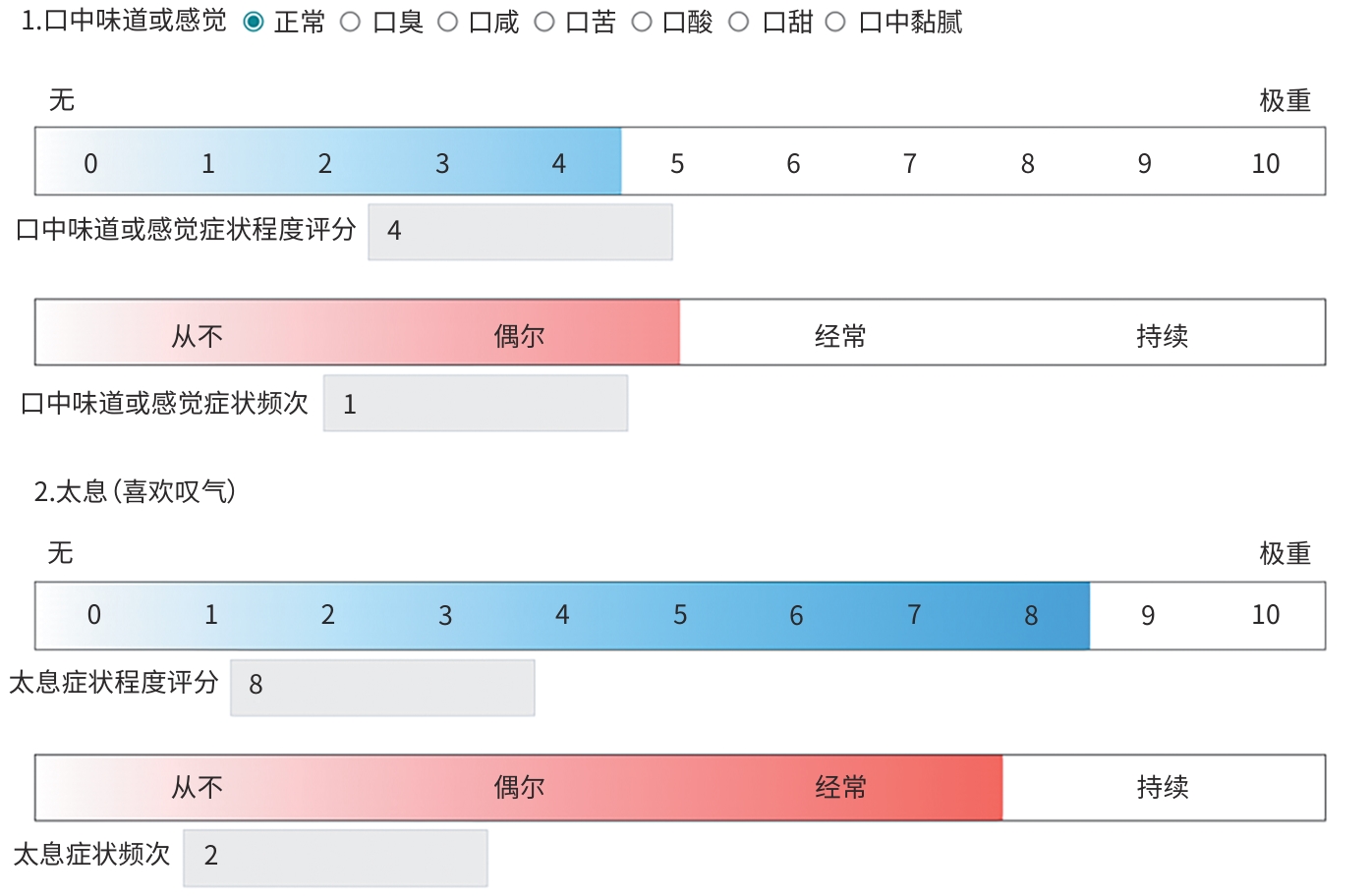
Accurate traditional Chinese medicine (TCM) syndrome differentiation is an important prerequisite for TCM treatment; however, there is currently still a lack of unified standards and operable clinical tools for the diagnosis of TCM syndromes in primary liver cancer, posing great challenges to the promotion of clinical regimens and the rational use of Chinese patent drugs. In order to unify and standardize the diagnostic criteria for TCM syndromes in primary liver cancer, the consensus working group organized relevant experts in the fields of TCM, integrated traditional Chinese and Western medicine hepatology, and methodology to discuss and conduct expert consultation using the two-round Delphi method through a systematic review of the descriptions of TCM syndromes in existing guidelines, consensuses, and indications of Chinese patent medicines, with the mean, coefficient of variation, and full score rate as the criteria for item selection. This consensus establishes a syndrome diagnosis system covering 12 syndrome factors, 11 composite syndromes, and their corresponding diagnostic items and constructs a quantitative model for syndrome diagnosis based on item weights, and develops an online quantitative tool that can support dynamic entry of syndrome and symptom scores and achieve the visualization of trends before and after treatment. In addition, this consensus systematically describes the construction method and content of the above diagnostic system and provides a quantitative and visualized tool for syndrome diagnosis and efficacy evaluation, in order to provide a methodological reference and an operable platform for the standardized promotion of TCM syndrome differentiation and to improve the consistency of clinical syndrome differentiation and the rationality of the use of Chinese patent drugs.
Accurate traditional Chinese medicine (TCM) syndrome differentiation is an important prerequisite for TCM treatment; however, there is currently still a lack of unified standards and operable clinical tools for the diagnosis of TCM syndromes in primary liver cancer, posing great challenges to the promotion of clinical regimens and the rational use of Chinese patent drugs. In order to unify and standardize the diagnostic criteria for TCM syndromes in primary liver cancer, the consensus working group organized relevant experts in the fields of TCM, integrated traditional Chinese and Western medicine hepatology, and methodology to discuss and conduct expert consultation using the two-round Delphi method through a systematic review of the descriptions of TCM syndromes in existing guidelines, consensuses, and indications of Chinese patent medicines, with the mean, coefficient of variation, and full score rate as the criteria for item selection. This consensus establishes a syndrome diagnosis system covering 12 syndrome factors, 11 composite syndromes, and their corresponding diagnostic items and constructs a quantitative model for syndrome diagnosis based on item weights, and develops an online quantitative tool that can support dynamic entry of syndrome and symptom scores and achieve the visualization of trends before and after treatment. In addition, this consensus systematically describes the construction method and content of the above diagnostic system and provides a quantitative and visualized tool for syndrome diagnosis and efficacy evaluation, in order to provide a methodological reference and an operable platform for the standardized promotion of TCM syndrome differentiation and to improve the consistency of clinical syndrome differentiation and the rationality of the use of Chinese patent drugs.
2026, 42(8): 1807-1814.
DOI: 10.12449/JCH260811
Abstract:
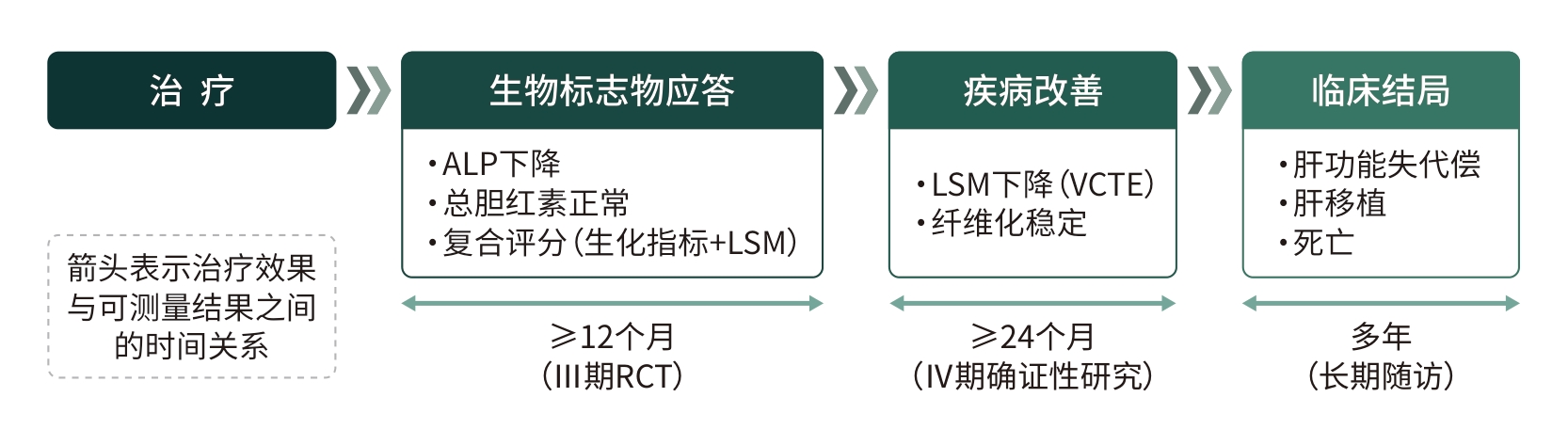
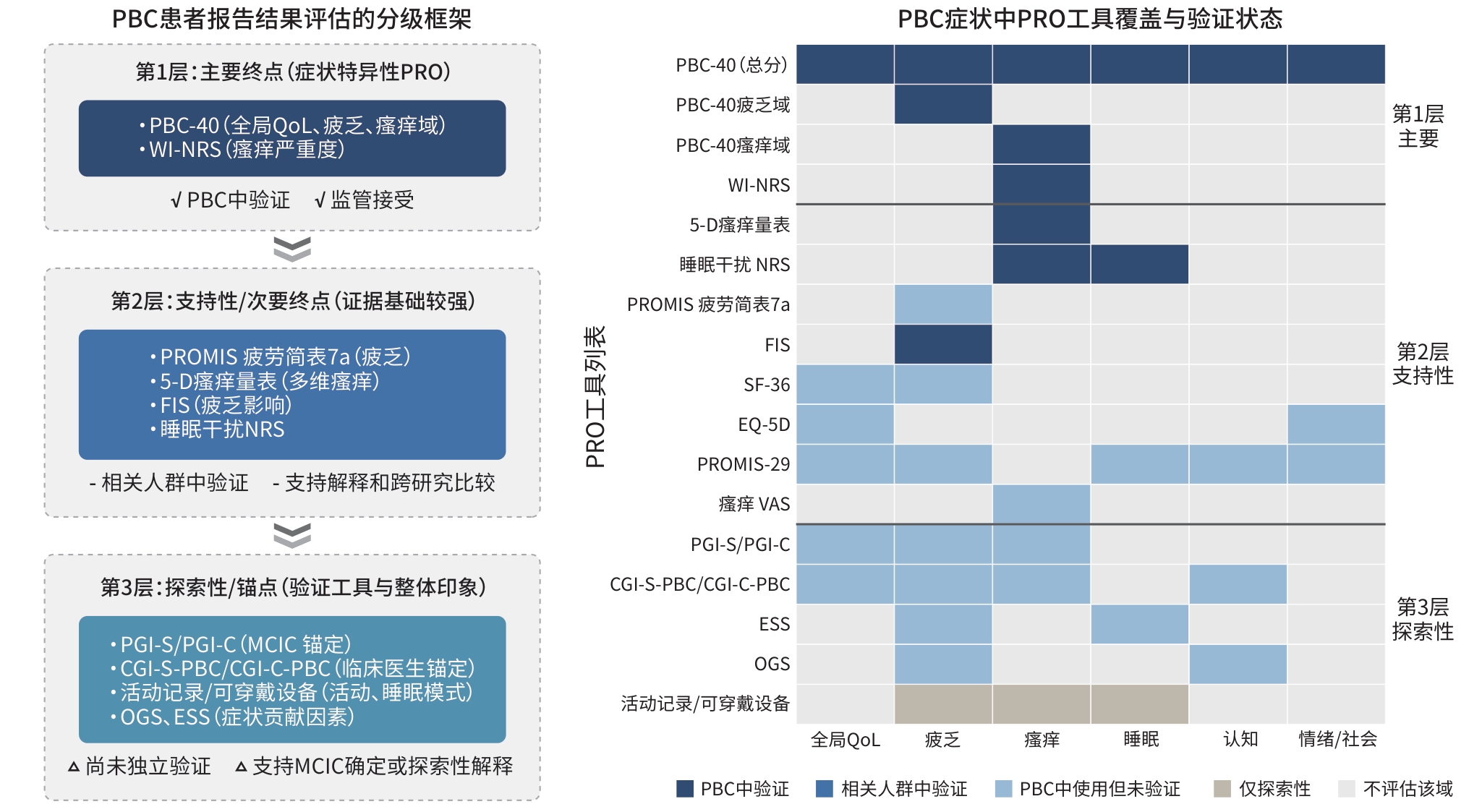
In 2026, the European Association for the Study of the Liver and the American Association for the Study of Liver Diseases jointly published a Delphi consensus statement on surrogate endpoints and real-world evidence in primary biliary cholangitis. This consensus proposes 16 statements and 42 recommendations centering on the following three most critical issues in the development of new drugs for primary biliary cholangitis: whether liver biochemical parameters and noninvasive assessments of liver fibrosis can be used as surrogate endpoints for clinical outcomes; how real-world data and real-world evidence can complement or support confirmatory studies in a manner compliant with regulatory requirements; how patient-reported outcomes can be standardized for the assessment of quality of life, pruritus, and fatigue. This article provides an excerpt and expert interpretation of the background, methodological framework, core statements, recommendations, and key figures and tables of this consensus, in order to provide a reference for the diagnosis and treatment of primary biliary cholangitis, drug evaluation, real-world study design, and the development of patient-centered clinical endpoints in China.
In 2026, the European Association for the Study of the Liver and the American Association for the Study of Liver Diseases jointly published a Delphi consensus statement on surrogate endpoints and real-world evidence in primary biliary cholangitis. This consensus proposes 16 statements and 42 recommendations centering on the following three most critical issues in the development of new drugs for primary biliary cholangitis: whether liver biochemical parameters and noninvasive assessments of liver fibrosis can be used as surrogate endpoints for clinical outcomes; how real-world data and real-world evidence can complement or support confirmatory studies in a manner compliant with regulatory requirements; how patient-reported outcomes can be standardized for the assessment of quality of life, pruritus, and fatigue. This article provides an excerpt and expert interpretation of the background, methodological framework, core statements, recommendations, and key figures and tables of this consensus, in order to provide a reference for the diagnosis and treatment of primary biliary cholangitis, drug evaluation, real-world study design, and the development of patient-centered clinical endpoints in China.
2026, 42(8): 1815-1819.
DOI: 10.12449/JCH260812
Abstract:
Recently, the European Association for the Study of the Liver released a position paper on palliative care for patients with advanced chronic liver disease. This position paper provides guidance for clinicians on the delivery of palliative care to patients with advanced chronic liver disease, aiming to improve the quality of life of this population. This article gives an excerpt of key statements from this position paper.
Recently, the European Association for the Study of the Liver released a position paper on palliative care for patients with advanced chronic liver disease. This position paper provides guidance for clinicians on the delivery of palliative care to patients with advanced chronic liver disease, aiming to improve the quality of life of this population. This article gives an excerpt of key statements from this position paper.
2026, 42(8): 1820-1825.
DOI: 10.12449/JCH260813
Abstract:
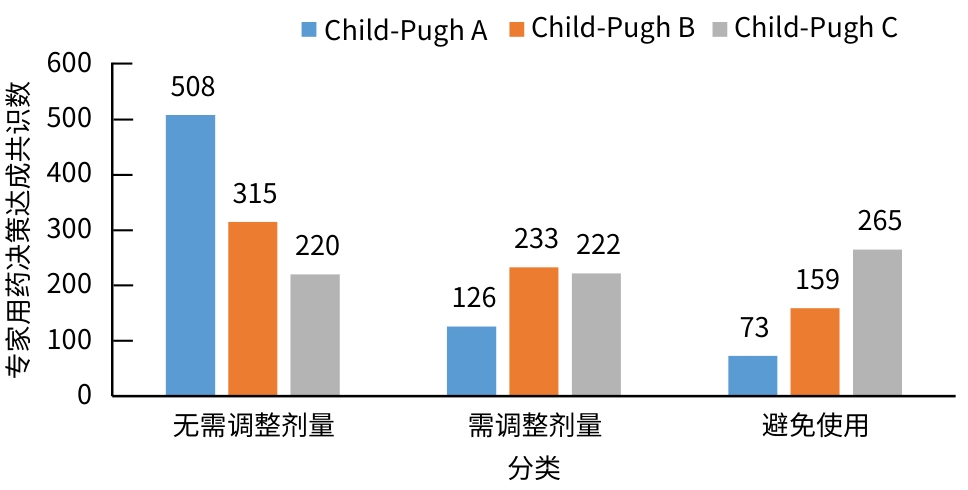
Liver cirrhosis profoundly alters drug pharmacokinetics and is frequently associated with medication-related problems in clinical practice. At present, stage-specific medication guidance remains inconsistent, and the information in package inserts often lacks clarity. As a result, treatment decisions rely on individual clinical judgment and differ markedly between different professionals. In 2026, a multidisciplinary expert panel issued recommendation on drug selection and dose adjustment for patients with liver cirrhosis. Using the Delphi method, the suggestion investigates the decisions made by hepatologists, clinical pharmacologists, and clinical pharmacists in terms of drug selection and dose adjustment for liver cirrhosis patients, quantifies the consensus across different Child-Pugh classes, and evaluates the consistency between the recommendations in expert consensus and the information in package inserts, in order to provide a basis for establishing standardized medication guidance. This article gives an excerpt of the main content of the study.
Liver cirrhosis profoundly alters drug pharmacokinetics and is frequently associated with medication-related problems in clinical practice. At present, stage-specific medication guidance remains inconsistent, and the information in package inserts often lacks clarity. As a result, treatment decisions rely on individual clinical judgment and differ markedly between different professionals. In 2026, a multidisciplinary expert panel issued recommendation on drug selection and dose adjustment for patients with liver cirrhosis. Using the Delphi method, the suggestion investigates the decisions made by hepatologists, clinical pharmacologists, and clinical pharmacists in terms of drug selection and dose adjustment for liver cirrhosis patients, quantifies the consensus across different Child-Pugh classes, and evaluates the consistency between the recommendations in expert consensus and the information in package inserts, in order to provide a basis for establishing standardized medication guidance. This article gives an excerpt of the main content of the study.
2026, 42(8): 1826-1830.
DOI: 10.12449/JCH260814
Abstract:
The Barcelona Clinic Liver Cancer (BCLC) system is a major international framework for hepatocellular carcinoma prognostic assessment and treatment decision-making. While preserving the overall architecture of the 2022 edition, the 2026 update integrates the latest research evidence in locoregional therapy, systemic therapy, and liver transplantation, emphasizes a direct correspondence between staging and evidence-based first-line treatment options, and highlights the refined assessment of liver function, individualized decision-making, and pathway optimization in complex scenarios. This article gives an excerpt of the core concepts, key definitions, and key points regarding first-line treatment options for different stages in the 2026 update, with brief comments on the clinical practice in China.
The Barcelona Clinic Liver Cancer (BCLC) system is a major international framework for hepatocellular carcinoma prognostic assessment and treatment decision-making. While preserving the overall architecture of the 2022 edition, the 2026 update integrates the latest research evidence in locoregional therapy, systemic therapy, and liver transplantation, emphasizes a direct correspondence between staging and evidence-based first-line treatment options, and highlights the refined assessment of liver function, individualized decision-making, and pathway optimization in complex scenarios. This article gives an excerpt of the core concepts, key definitions, and key points regarding first-line treatment options for different stages in the 2026 update, with brief comments on the clinical practice in China.
2026, 42(8): 1831-1837.
DOI: 10.12449/JCH260815
Abstract:
Objective To investigate the effectiveness and safety of coblopasvir hydrochloride combined with sofosbuvir (CLP/SOF) in the treatment of patients with chronic hepatitis C (CHC) and those with genotype 3b in terms of virologic response rate, changes in liver and renal function parameters, and adverse events, and to provide a reference for clinical diagnosis and treatment. Methods The patients with CHC who were admitted to Maanshan Fourth People’s Hospital from March 1, 2023 to July 31, 2024 were enrolled and treated with CLP/SOF for a course of 12 weeks. Follow-up assessments were conducted at weeks 4, 8, and 12 of treatment and at 12 weeks after the end of treatment, and related data were collected, including HCV RNA, routine blood test results, and liver and renal function parameters. Sustained virologic response at 12 weeks after treatment (SVR12) and safety profile were evaluated. The Friedman test was used for comparison of liver and renal function parameters, routine blood test results, and liver fibrosis score at different time points. Results A total of 107 CHC patients treated with CLP/SOF were enrolled, with an age of 22 — 92 years, and there were 55 male patients. The predominant genotypes were 1b (46.73%) and 3b (28.97%). Comorbidities mainly included liver cirrhosis (15 patients), fatty liver disease (27 patients), syphilis (15 patients), HBV infection (8 patients), and HIV infection (2 patients). The overall SVR12 rate was 100% (107/107), with an SVR12 rate of 100% for subgroups with different genotypes and those with liver cirrhosis, fatty liver disease, syphilis, HBV infection, or HIV infection. The patients with HCV genotype 3b comorbid with liver cirrhosis, fatty liver disease, syphilis, HBV infection, hypertension or diabetes also achieved an SVR12 rate of 100%. After CLP/SOF treatment, the patients showed significant reductions in the levels of the liver function parameters alanine aminotransferase, aspartate aminotransferase, total bilirubin, and hemoglobin (all P<0.001) and significant reductions in the liver fibrosis scores fibrosis-4 and aspartate aminotransferase-to-platelet ratio index (both P<0.001). The median creatinine level was 66 μmol/L before treatment, which decreased to 52 μmol/L at week 12 of treatment (P<0.001). No adverse events were reported. Conclusion Patients with CHC achieve a high SVR12 rate and significant improvements in liver function parameters and liver fibrosis markers after treatment with the CLP/SOF regimen, and this regimen has no significant impact on renal function and shows a favorable safety profile. Therefore, it holds promise for clinical application.
2026, 42(8): 1838-1844.
DOI: 10.12449/JCH260816
Abstract:
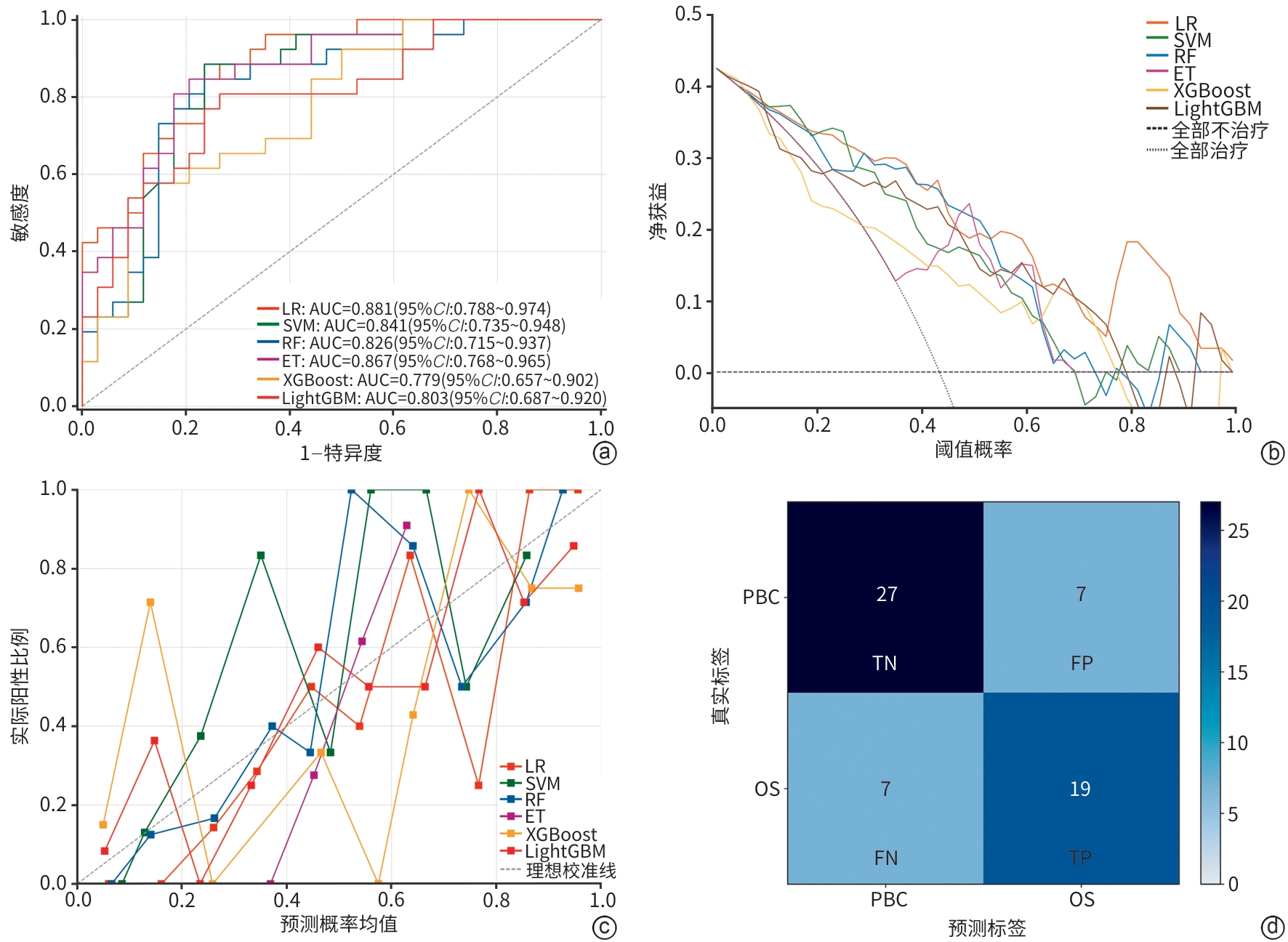
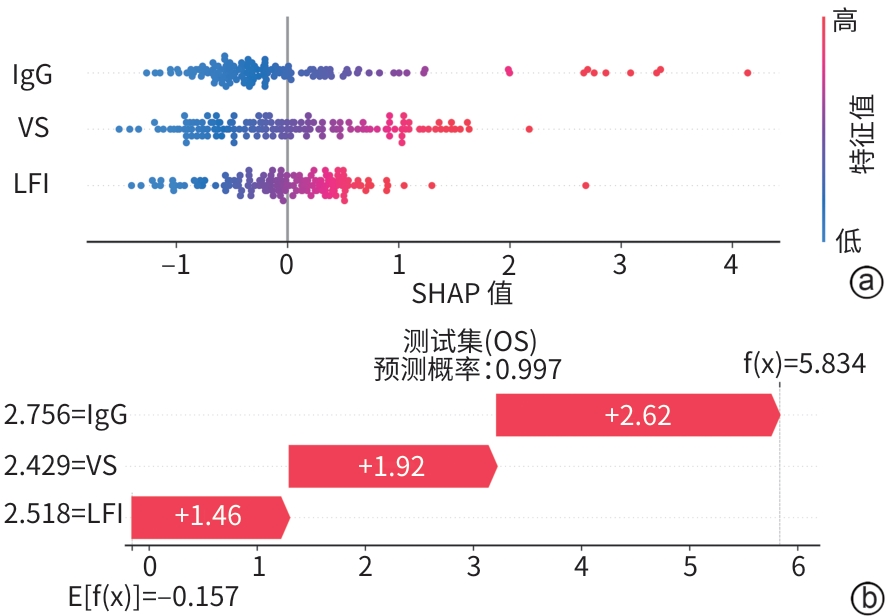
Objective To construct a machine learning model combining two-dimensional shear wave elastography (2D-SWE) and serological markers, and to investigate its clinical value in differentiating primary biliary cholangitis (PBC) from overlap syndrome (OS). Methods A total of 199 patients with pathologically confirmed PBC or OS in Nantong Third People’s Hospital from January 2021 to December 2025 were retrospectively enrolled, with 125 patients in the PBC group and 74 in the OS group. The patients were randomly divided into a training set with 139 patients and a test set with 60 patients at a ratio of 7∶3. Related data were collected, including serological markers, conventional two-dimensional ultrasound parameters, and 2D-SWE parameters (including velocity of shear wave [VS] and liver fibrosis index [LFI]). The independent-samples t test was used for comparison of normally distributed continuous data between two groups, and the Mann-Whitney U test was used for comparison of non-normally distributed continuous data between two groups; the chi-square test was used for comparison of categorical data between two groups. The univariate and multivariate Logistic regression analyses were used to identify independent predictive factors, which were then incorporated into six machine learning models, and 5-fold cross-validation was used for optimization of parameters. The indicators including the area under the receiver operating characteristic curve (AUC) were compared in the test set to determine the best model, and the SHapley additive exPlanations (SHAP) analysis was used for model interpretation. Results Female patients accounted for 87.8% in the OS group and 79.2% in the PBC group. Compared with the PBC group, the OS group had significantly higher age, VS, LFI, splenic area, aspartate aminotransferase, total bilirubin, prothrombin time, immunoglobulin G (IgG), and immunoglobulin M (Z=-2.883, -6.524, -4.000, -3.061, -2.194, -2.372, -4.079, -6.964, and -2.709, all P<0.05) and a significantly lower platelet count (Z=4.098, P<0.001), and there were also significant differences between the two groups in the proportion of patients with positive anti-nuclear antibody, fibrosis stage, and inflammation grade (χ2=3.458, 63.198, and 101.038, all P<0.05). Variables without multicollinearity were included in the regression analysis, and the multivariate Logistic regression analysis showed that VS (odds ratio [OR]=4.503, 95% confidence interval [CI]: 1.698 — 11.943, P=0.003), LFI (OR=1.813, 95%CI: 1.050 — 3.132, P=0.033), and IgG (OR=1.121, 95%CI: 1.026 — 1.226, P=0.012) were independent predictive factors for differentiating PBC from OS. Six machine learning models were constructed based on these variables, among which the logistic regression model showed the best predictive performance in the test set, with an AUC of 0.881 (95%CI: 0.788 — 0.974), a sensitivity of 0.731, and a specificity of 0.794. The SHAP analysis showed that IgG contributed the most to model prediction. Conclusion The noninvasive multimodal machine learning model combining 2D-SWE parameters (VS, LFI) and serum IgG can effectively differentiate PBC from OS, providing a reference for clinical decision-making regarding the need for liver biopsy.
2026, 42(8): 1845-1856.
DOI: 10.12449/JCH260817
Abstract:
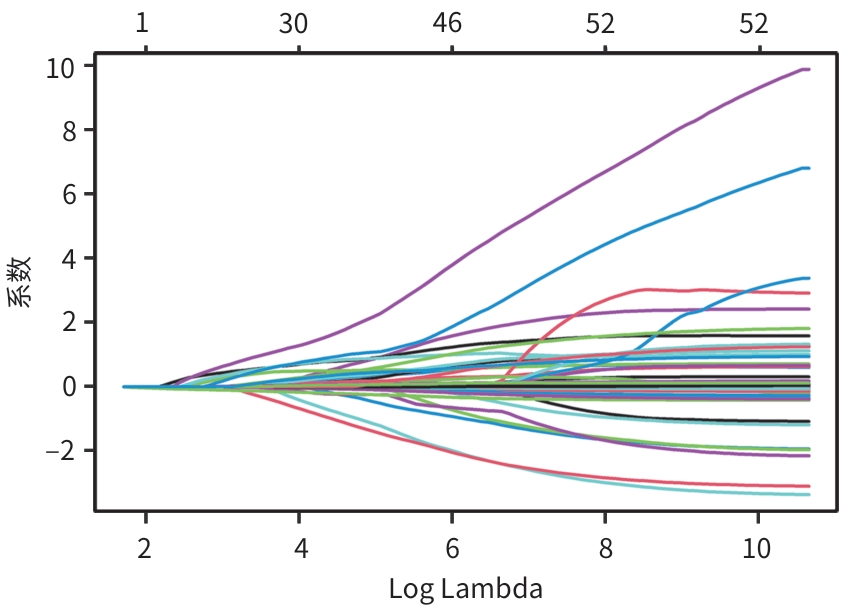
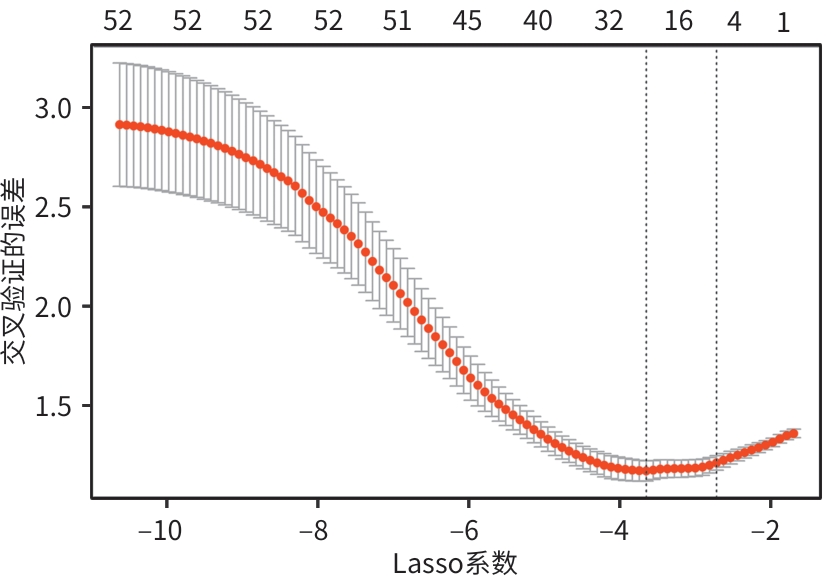
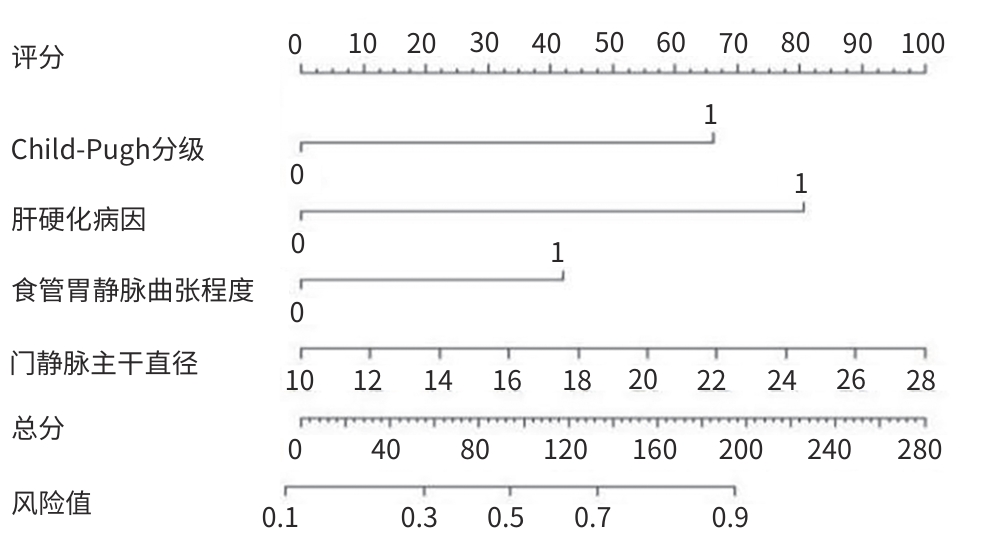
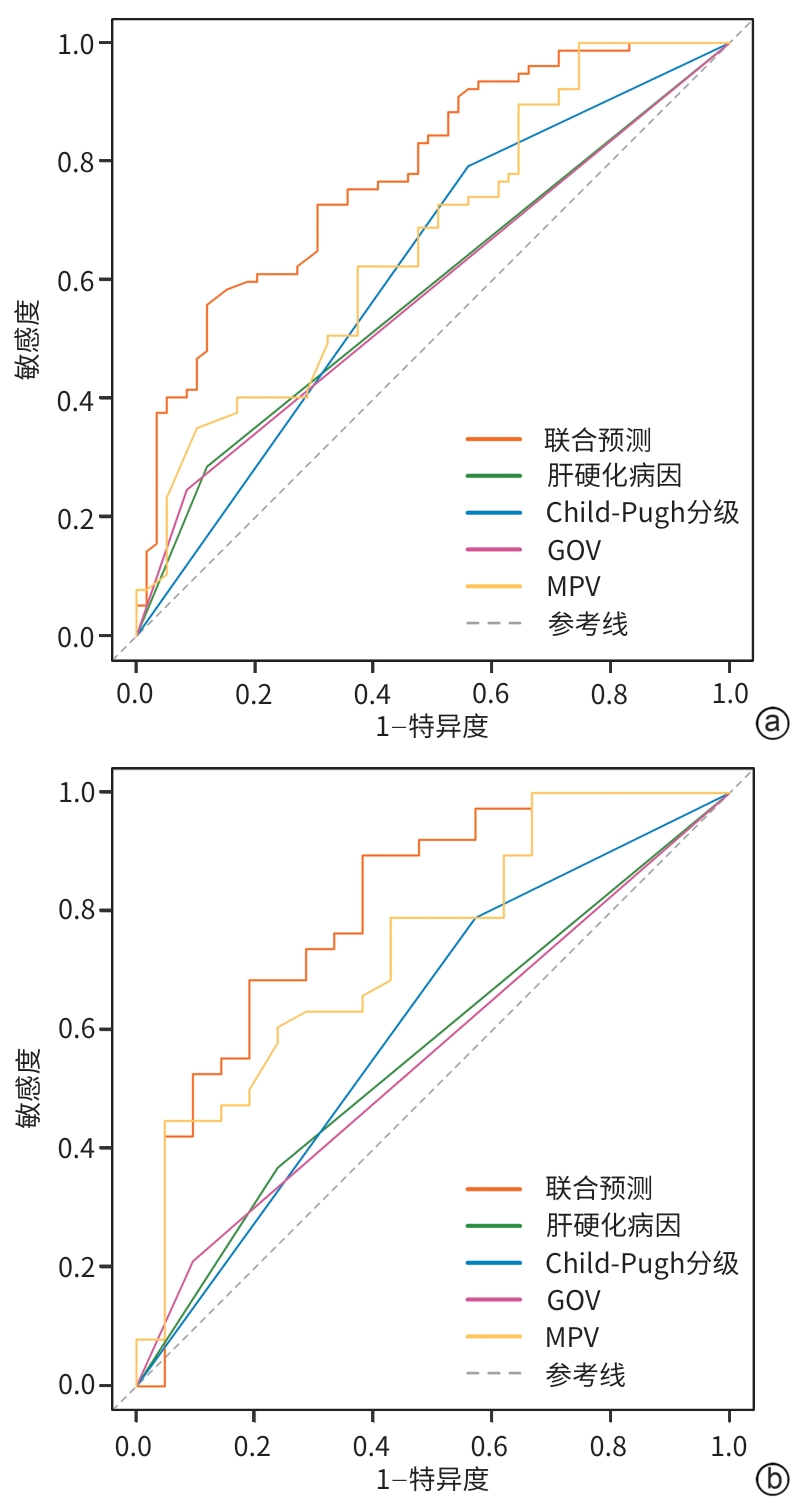
Objective To investigate the risk factors for rebleeding after endoscopic therapy for esophageal and gastric varices in liver cirrhosis patients, to construct a clinical predictive model, and to provide a reference for predicting rebleeding in the early stage, reducing the incidence rate of rebleeding, and improving the clinical outcome of patients. Methods A retrospective analysis was performed for the clinical data of 194 liver cirrhosis patients with gastroesophageal variceal bleeding who received initial endoscopic therapy at Department of Gastroenterology, The Second People’s Hospital of Lanzhou, from January 1, 2021 to May 31, 2025. According to whether rebleeding occurred within 1 year after endoscopic therapy, the patients were divided into rebleeding group and non-rebleeding group. The independent-samples t test or the Mann-Whitney U test was used for comparison of continuous data between two groups, and the chi-square test or the Fisher’s exact test was used for comparison of categorical data between two groups. The patients enrolled were randomly divided into a training set and a validation set at a ratio of 7∶3. In the training set, the Lasso regression analysis was used to obtain optimal predictive variables, and the factors that might affect prognosis were included in the univariate and multivariate Logistic regression analyses to identify independent predictive factors for rebleeding after endoscopic therapy for esophageal and gastric varices in liver cirrhosis patients, which were used to construct a nomogram model. In both the training set and the validation set, the receiver operating characteristic (ROC) curve and the calibration curve were used to assess the discriminatory ability and calibration of the model, and decision curve analysis and the clinical impact curve were used to assess the clinical practicability of the model. Results Among the 194 liver cirrhosis patients with esophageal and gastric varices, 116 (59.79%) experienced rebleeding within 1 year after endoscopic therapy, with 76 patients in the training set and 40 patients in the validation set. In the training set, the Lasso regression analysis and the univariate and multivariate Logistic regression analyses showed that etiology of liver cirrhosis (odds ratio [OR]=3.540, 95% confidence interval [CI]: 1.520 — 7.150, P<0.001), Child-Pugh class (OR=3.560, 95%CI: 1.380 — 9.500, P=0.019), severity of esophageal and gastric varices (OR=8.190, 95%CI: 3.568 — 17.850, P=0.026), and main portal vein diameter (OR=2.954, 95%CI: 1.349 — 15.030, P=0.044) were independent predictive factors for rebleeding of esophageal and gastric varices in liver cirrhosis patients. A nomogram model was constructed based on the above independent predictive factors. The ROC curve analysis showed that this model had an area under the ROC curve of 0.845 (95%CI: 0.778 — 0.912) in the training set and 0.801 (95%CI: 0.798 — 0.868) in the validation set. The model had an index of concordance of 0.832 in the training set and 0.820 in the validation set, suggesting that the model had a good discriminatory ability. The Hosmer-Lemeshow test showed P values of 0.320 and 0.550 in the training set and validation set, respectively, the calibration curve indicated that the predicted probabilities of the nomogram model were in good concordance with the actual observed probabilities, suggesting that the model had good calibration. The decision curve analysis and the clinical impact curve showed that the model had good clinical utility. Conclusion The nomogram model based on etiology of liver cirrhosis, Child-Pugh class, severity of esophageal and gastric varices, and main portal vein diameter has a certain clinical value in predicting the risk of rebleeding from esophageal and gastric varices in liver cirrhosis.
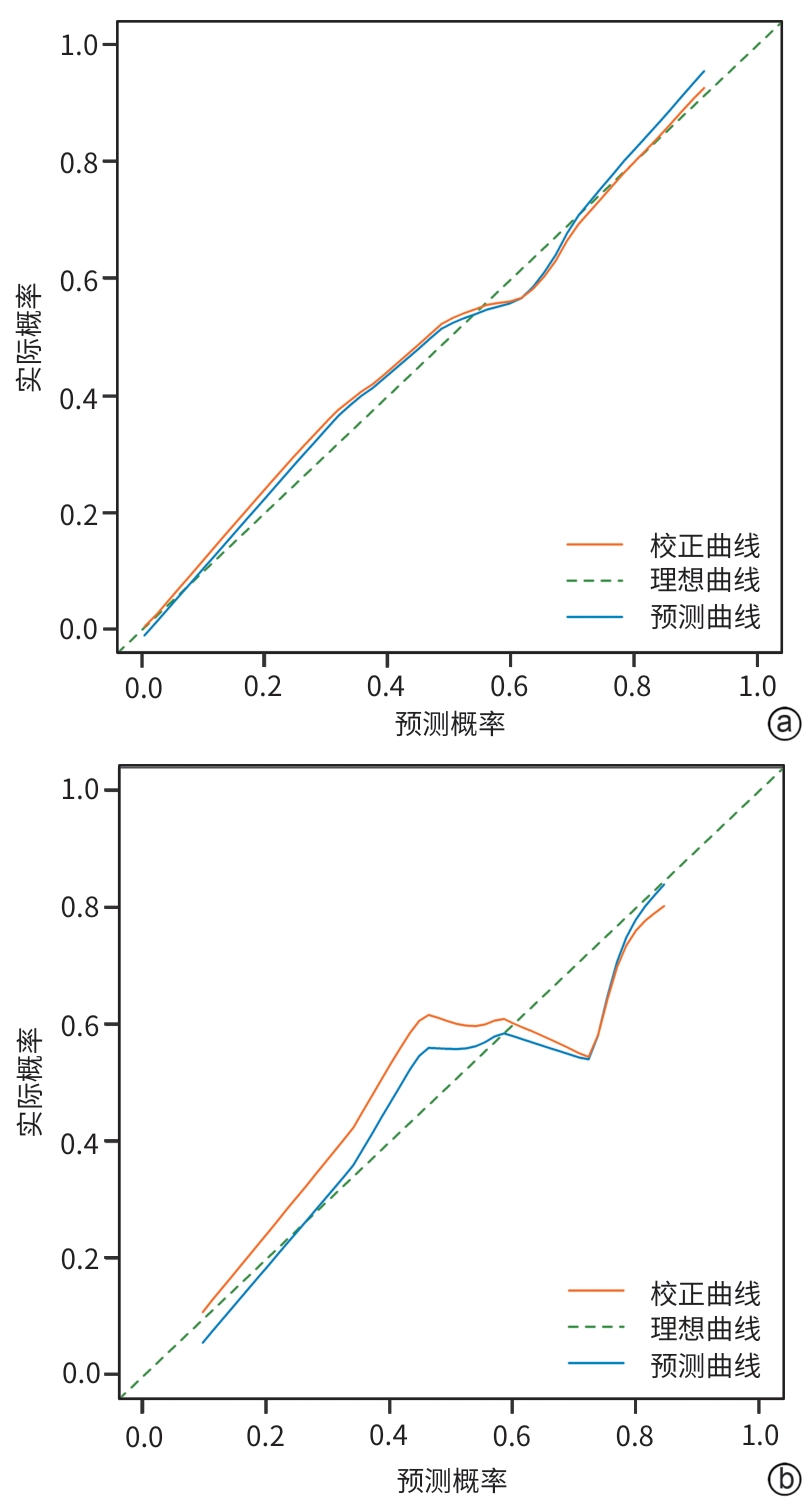
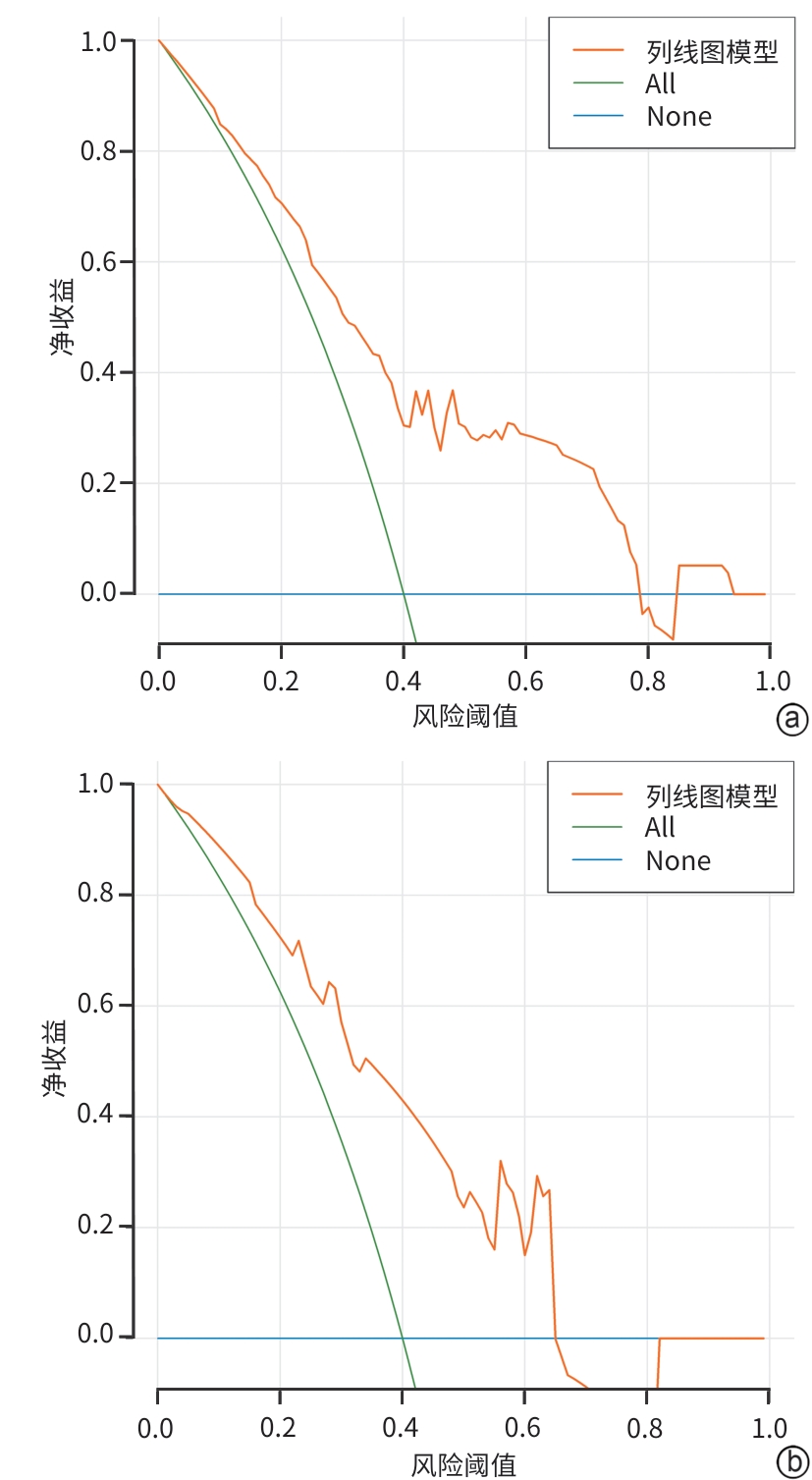
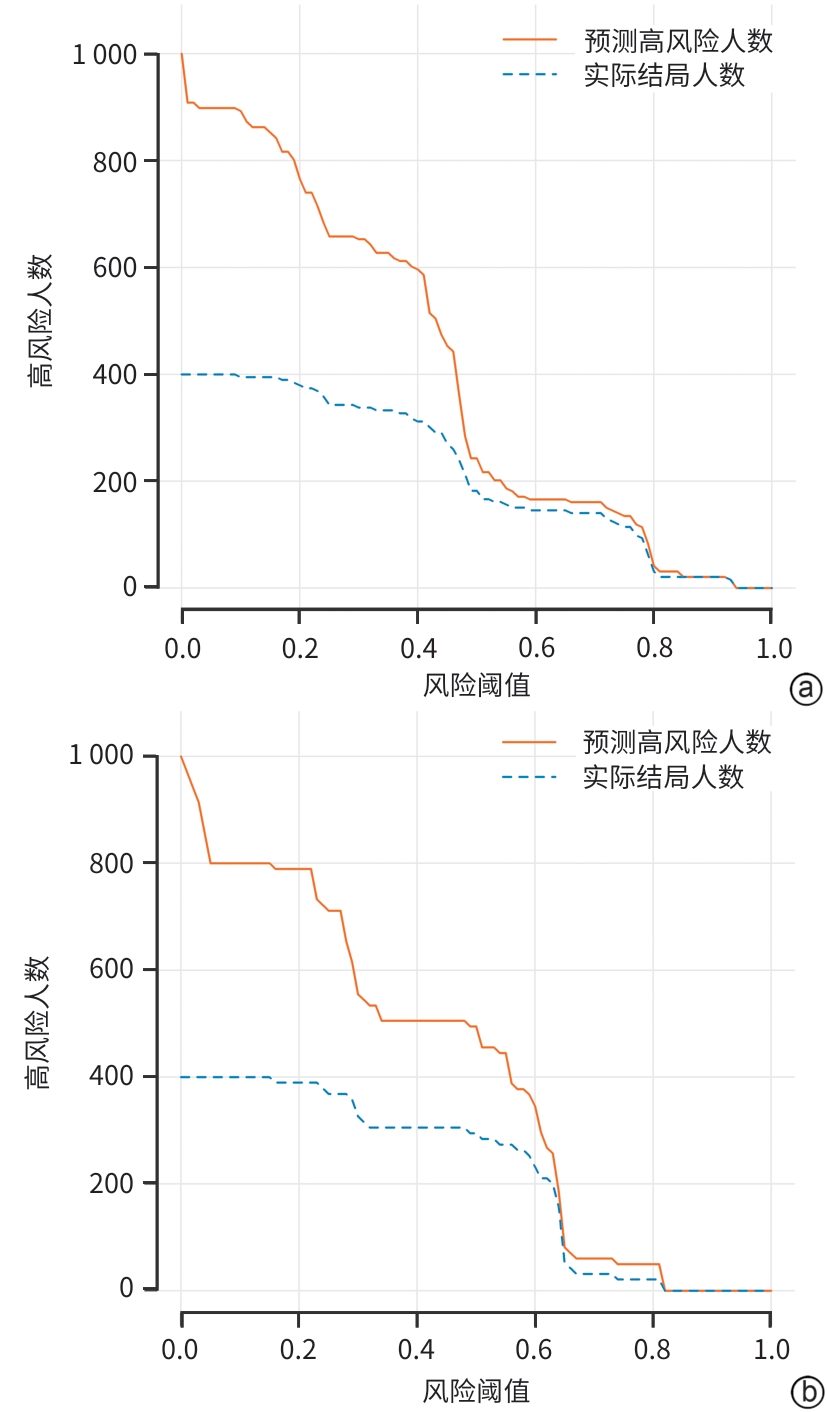
2026, 42(8): 1857-1865.
DOI: 10.12449/JCH260818
Abstract:
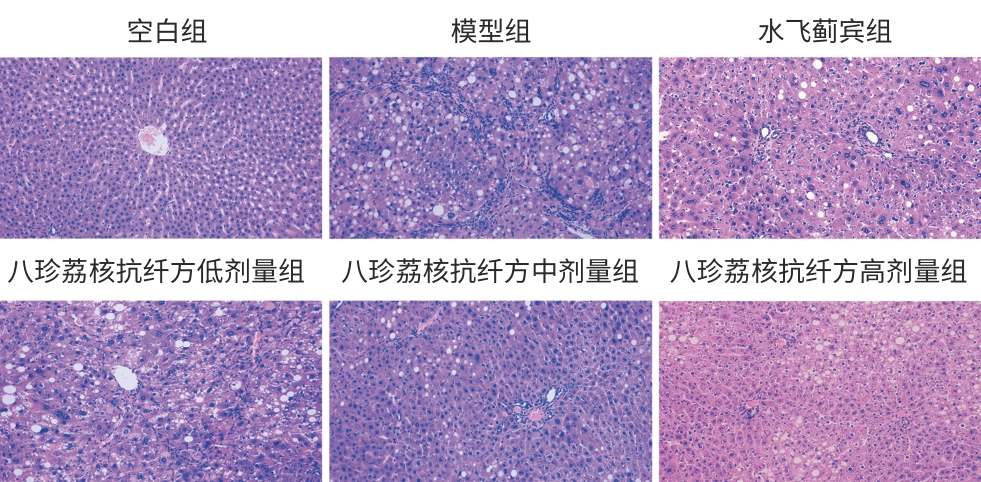
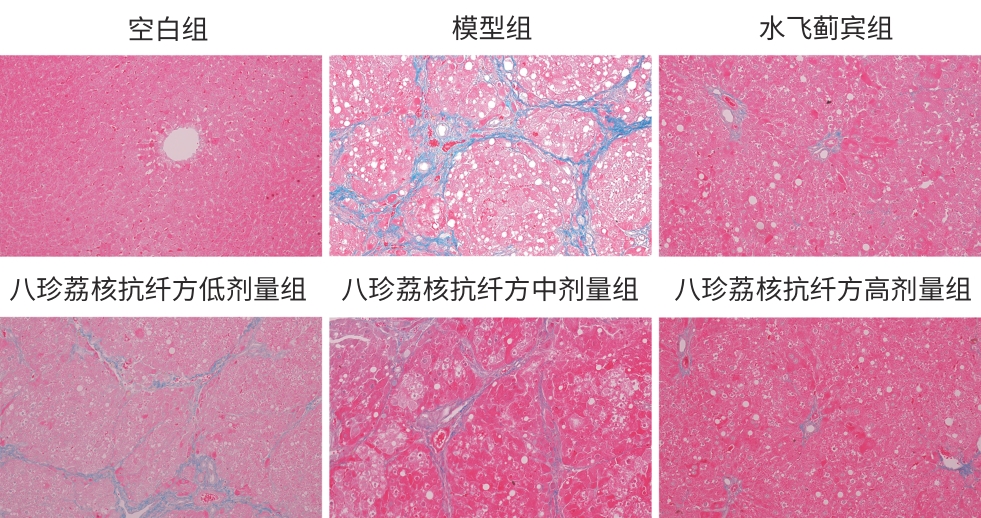
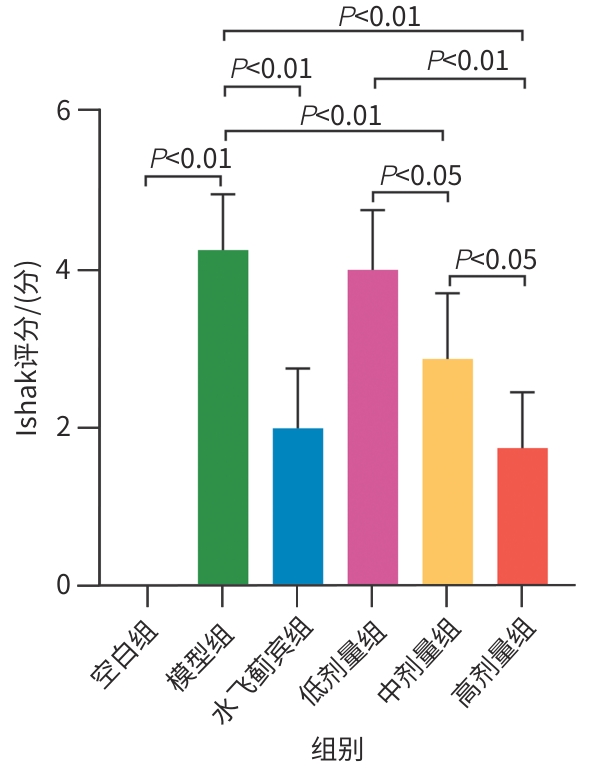
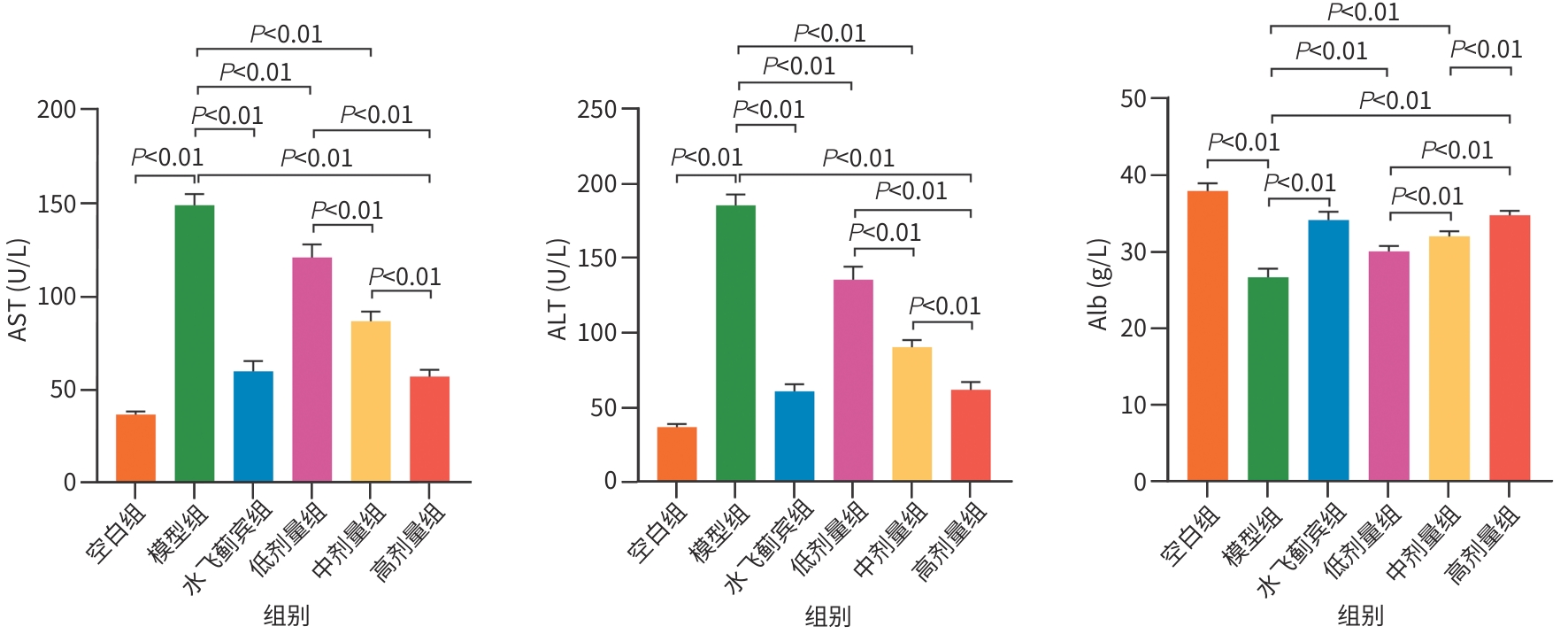
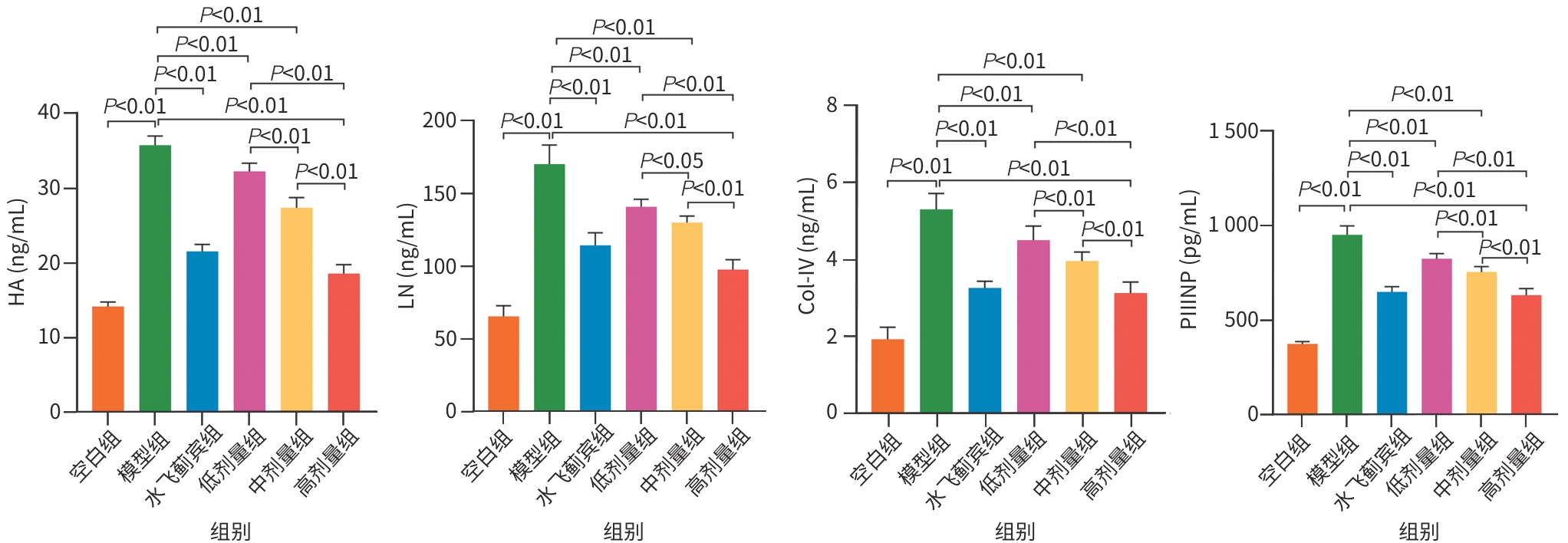
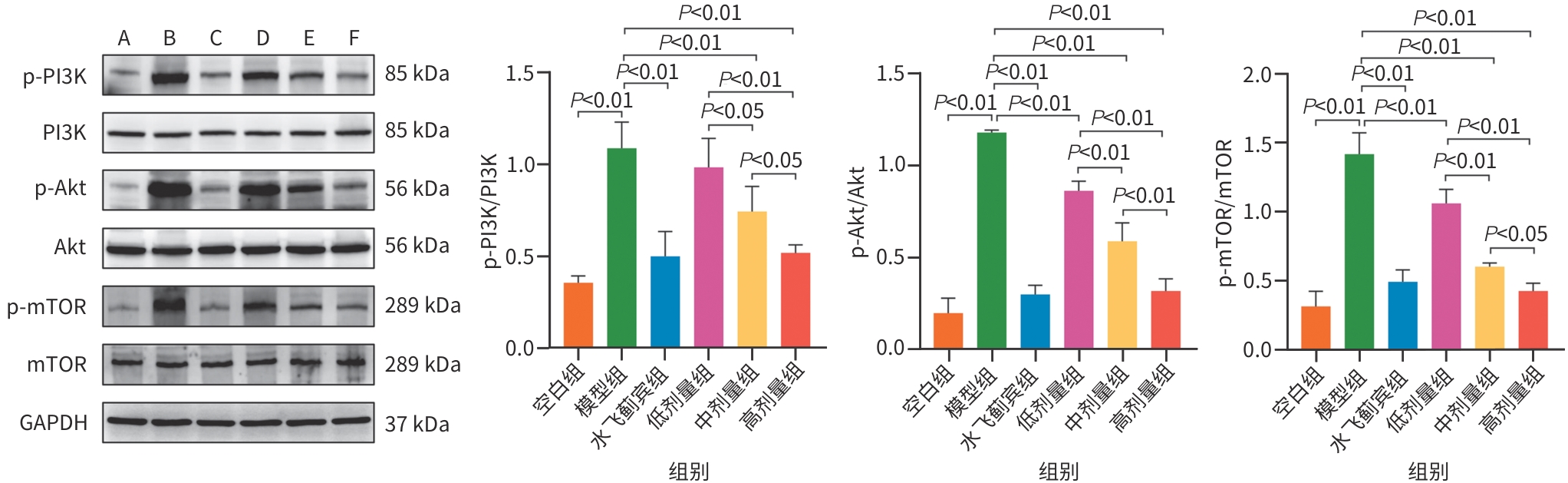
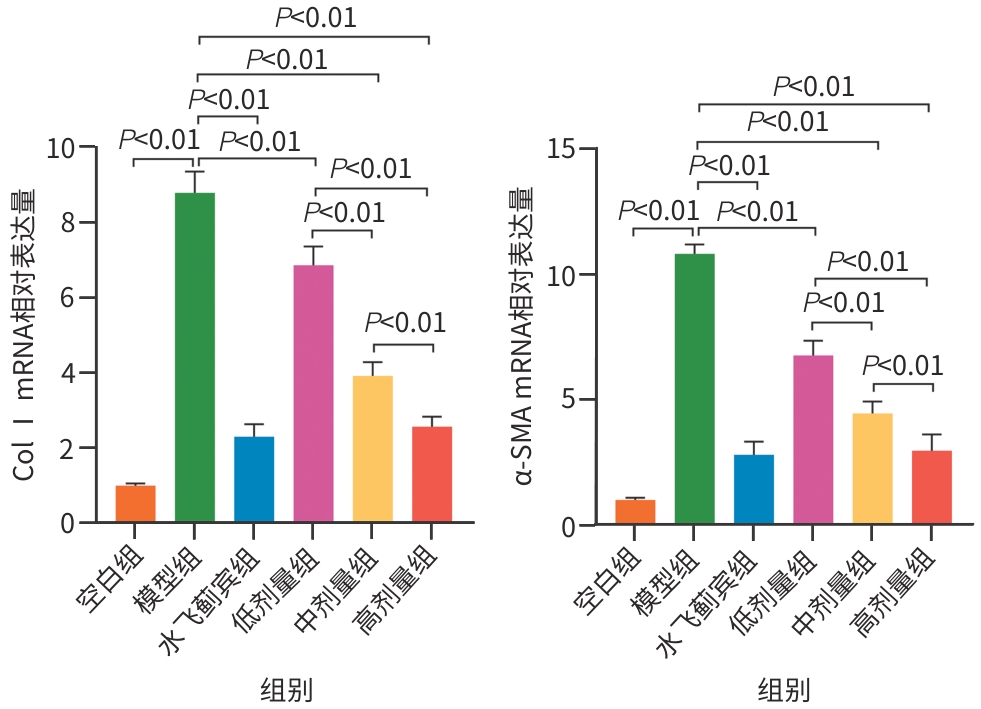
Objective To investigate the therapeutic effect of Bazhen Lihe Kangxian prescription on rats with liver fibrosis induced by carbon tetrachloride (CCl4), and to explore its mechanism of action against liver fibrosis. Methods A total of 50 male Sprague-Dawley rats were randomly divided into blank group, model group, silybin group (43.19 mg/kg), and low-, middle-, and high-dose Bazhen Lihe Kangxian prescription groups (7.96, 15.93, and 31.86 g/kg, respectively). Subcutaneous injection of 40% CCl4-olive oil solution (twice a week for 8 consecutive weeks) was performed to establish a model of liver fibrosis. After successful modeling, the rats in the blank group and the model group were given normal saline by gavage, while those in the treatment groups were given the corresponding drug by gavage, once a day for 4 consecutive weeks. HE staining and Masson staining were used to observe liver histopathological changes; an automatic biochemical analyzer was used to measure the serum levels of albumin (Alb), aspartate aminotransferase (AST), and alanine aminotransferase (ALT); ELISA was used to measure the serum levels of hyaluronic acid (HA), collagen Ⅳ (Col-Ⅳ), procollagen Ⅲ N-terminal peptide (PⅢNP), and laminin (LN); Western blotting was used to measure the protein expression levels of phosphoinositide 3-kinase (PI3K), phosphorylated PI3K (p-PI3K), protein kinase B (Akt), phosphorylated Akt (p-Akt), mammalian target of rapamycin (mTOR), and phosphorylated mTOR (p-mTOR) in liver tissue; RT-qPCR was used to measure the mRNA expression levels of collagen Ⅰ (Col-Ⅰ) and α-smooth muscle actin (α-SMA) in liver tissue. A one-way analysis of variance was used for comparison of continuous data between multiple groups, and the least significant difference t-test was used for further comparison between two groups. Results Compared with the blank group, the model group had disrupted hepatic lobular structure, disordered arrangement of hepatic cell cords, hepatocyte fatty degeneration, severe inflammatory cell infiltration, and deposition of massive blue collagen fibers, as well as significant increases in the levels of AST, ALT, HA, LN, Col‑Ⅳ, and PⅢNP and a significant reduction in the level of Alb (all P<0.01). Compared with the model group, the silybin group and the three Bazhen Lihe Kangxian prescription groups had varying degrees of improvement in inflammatory cell infiltration, hepatocyte fatty degeneration, and collagen deposition in liver tissue, as well as significant reductions in the levels of AST, ALT, HA, LN, Col‑Ⅳ, and PⅢNP and a significant increase in the level of Alb (all P<0.01). Compared with the blank group, the model group had significant increases in the protein expression levels of p‑PI3K/PI3K, p-Akt/Akt, and p‑mTOR/mTOR and the mRNA expression levels of Col-I and α-SMA in liver tissue (all P<0.01); compared with the model group, the silybin group and the high- and middle-dose Bazhen Lihe Kangxian prescription groups had significant reductions in the protein expression levels of p-PI3K/PI3K (all P<0.01), and the silybin group and the three Bazhen Lihe Kangxian prescription groups had significant reductions in the protein expression levels of p-Akt/Akt and p-mTOR/mTOR and the mRNA expression levels of Col-Ⅰ and α-SMA in liver tissue (all P<0.01). Conclusion Bazhen Lihe Kangxian prescription can improve CCl4-induced liver fibrosis in rats and alleviate liver injury, possibly by inhibiting the PI3K/Akt/mTOR pathway.
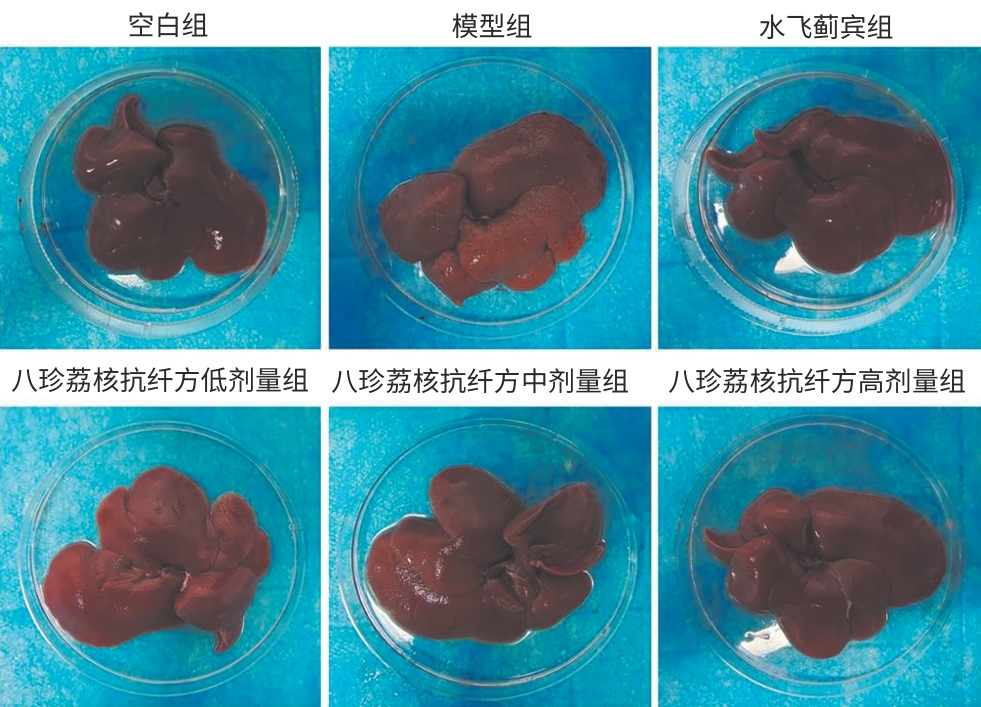
2026, 42(8): 1866-1877.
DOI: 10.12449/JCH260819
Abstract:
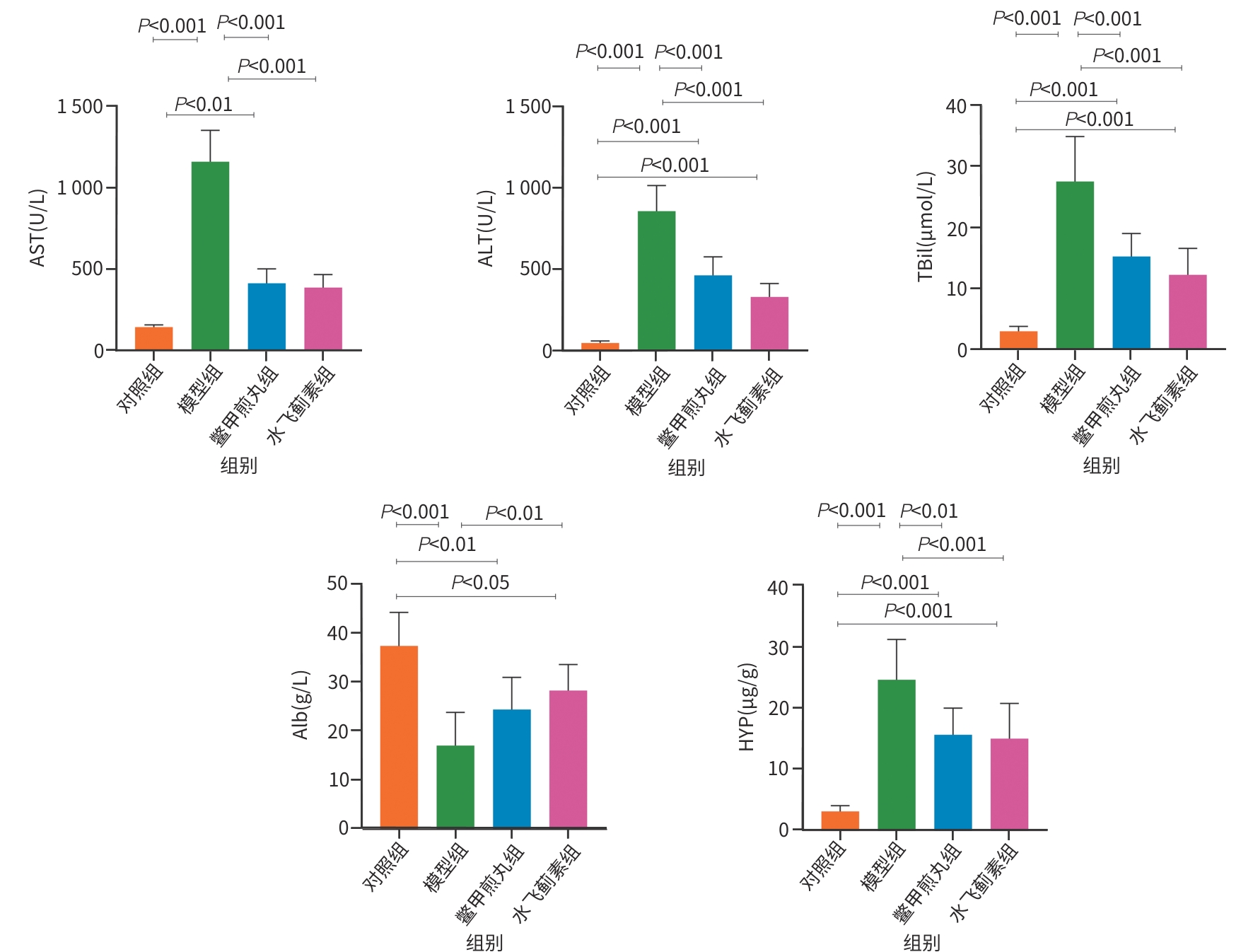
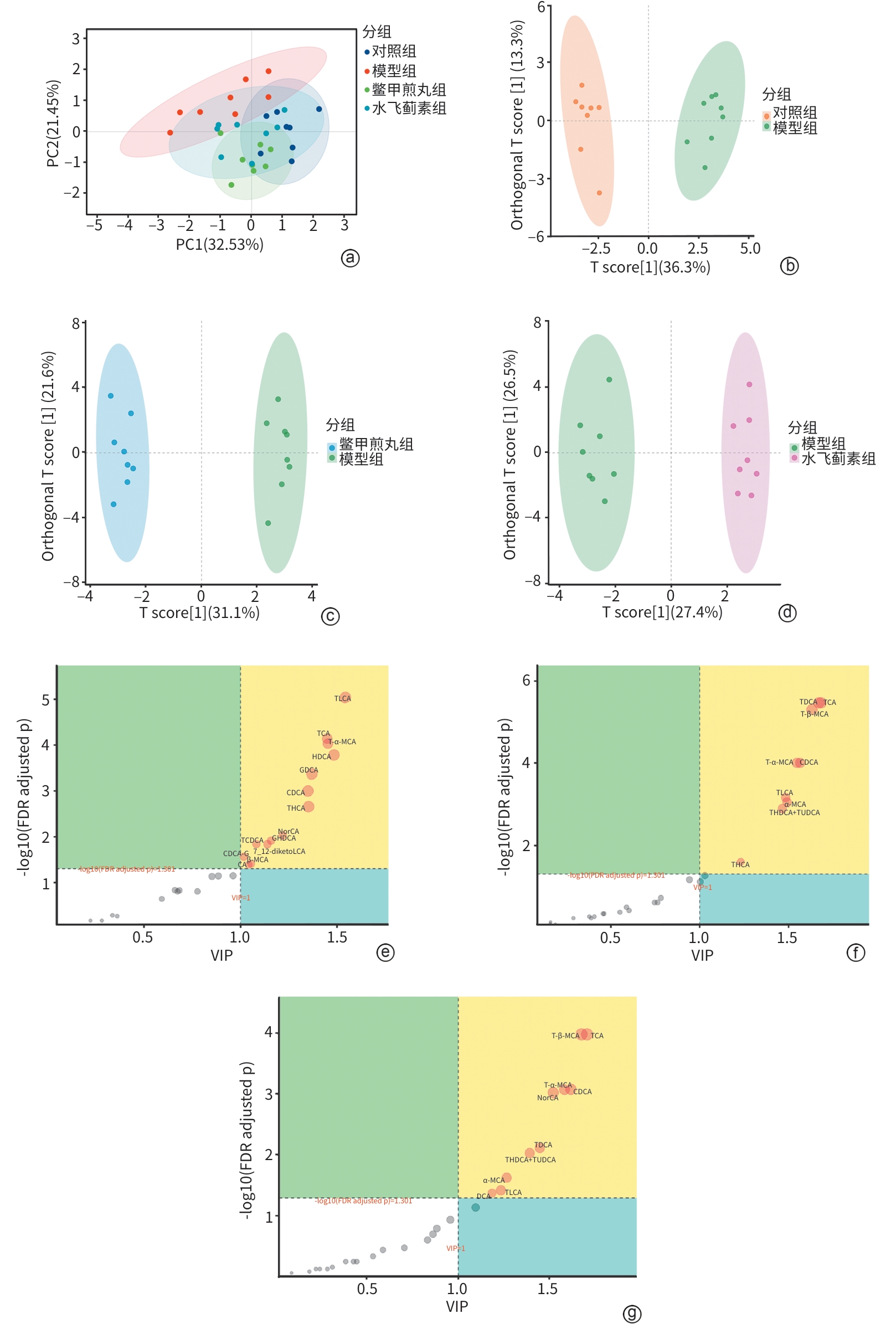
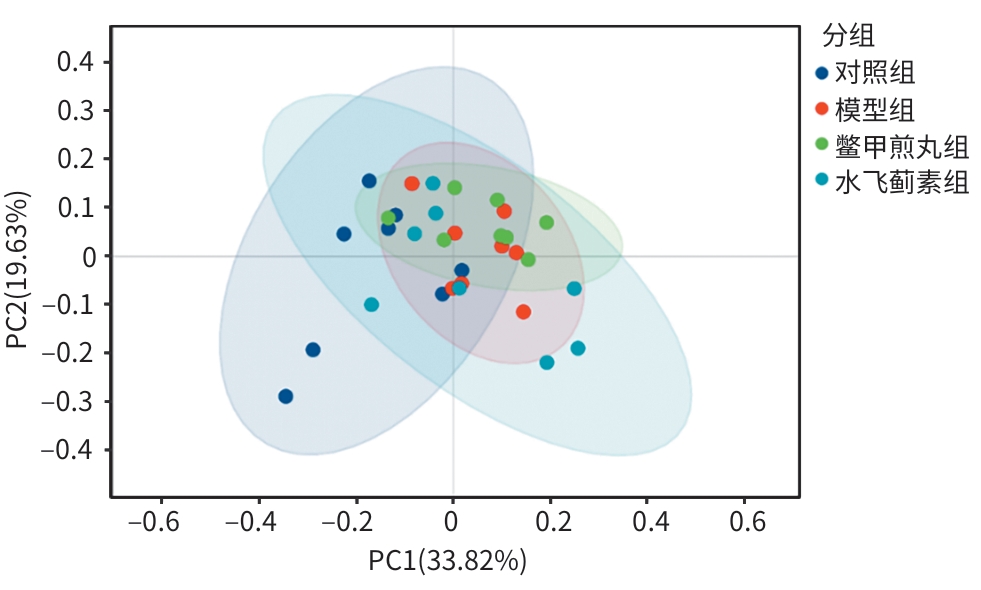
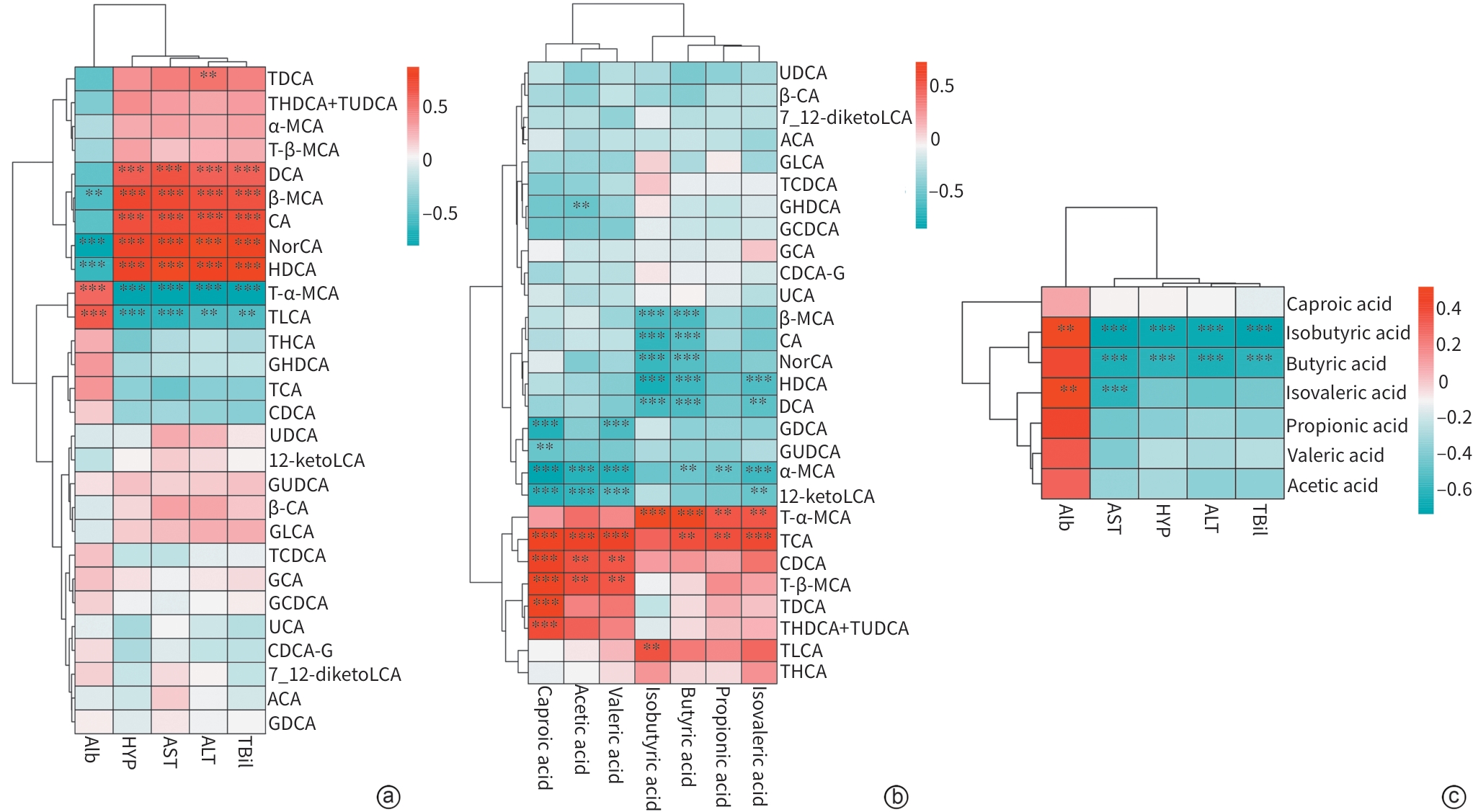
Objective To investigate the therapeutic effect of Biejiajian Pills on rats with carbon tetrachloride (CCl4)-induced hepatic fibrosis and its mechanism based on the bile acid (BA)-short-chain fatty acid (SCFA) metabolic axis. Methods The method of CCl4 induction was used to establish a rat model of hepatic fibrosis, and 32 male Sprague-Dawley rats were randomly divided into control group, model group, Biejiajian Pills group (2.2 g/kg), and silymarin group (43.19 mg/kg), with 8 rats in each group. All rats except those in the control group were given intraperitoneal injection of CCl4 (diluted with corn oil at a ratio of 4∶6, 2 mL/kg) to induce a model of hepatic fibrosis for 8 consecutive weeks, and the rats in the drug administration groups were given the corresponding drug by gavage. An automatic biochemical analyzer was used to measure the serum levels of alanine aminotransferase (ALT), aspartate aminotransferase (AST), total bilirubin (TBil), and albumin (Alb); chloramine-T colorimetry was used to measure the content of hydroxyproline (HYP) in liver tissue; HE staining and Masson staining were used to observe liver histopathological changes; UPLC-MS/MS and GC-MS were used to measure the levels of BAs and SCFAs. The Shapiro-Wilk test and the Levene test were performed for all data to determine normality and homogeneity of variance; a one-way analysis of variance was used for comparison of normally distributed continuous data between multiple groups, and the least significant difference t-test was used for further comparison between two groups; the Kruskal-Wallis H test was used for comparison of Ishak score between groups, and the Dunn’s test was used for further comparison between two groups. The Benjamini-Hochberg method was used for multiple comparison correction in the screening of differentially expressed metabolites in metabolomics data. The variable importance in projection (VIP) values were obtained in combination with the orthogonal partial least squares-discriminant analysis (OPLS-DA) model, and metabolites with VIP>1 and P<0.05 were selected as significantly differentially expressed metabolites between groups. The robustness of the OPLS-DA model was evaluated through 200 permutation tests, and the main parameters of the model were reported, including the interpretation rate of the model for categorical variables (R2Y) and the predictive ability of the model (Q2). A Spearman’s rank correlation analysis was performed. Results The results of staining showed ordered arrangement of hepatocytes in the Biejiajian Pills group, with significant alleviation of inflammatory cell infiltration and collagen fiber deposition. Compared with the control group, the model group had significant increases in the serum levels of TBil and HYP and a significant reduction in the serum level of Alb (all P<0.05). Compared with the control group, the Biejiajian Pills group had significant increases in the serum levels of AST, ALT, TBil, and HYP and a significant reduction in the serum level of Alb (all P<0.05), and the silymarin group had significant increases in the serum levels of ALT, TBil, and HYP and a significant reduction in the serum level of Alb (all P<0.05). Compared with the model group, the Biejiajian Pills group had significant reductions in the serum levels of ALT, AST, TBil, and HYP (all P<0.05), and the silymarin group had significant reductions in the serum levels of ALT, TBil, HYP, and AST and a significant increase in the serum level of Alb (all P<0.05). Mechanism studies showed that compared with the control group, the model group had significant reductions in the levels of taurolithocholic acid, tauro-α-muricholic acid, taurocholic acid, glycodeoxycholic acid, taurohyocholic acid, chenodeoxycholic acid, glycohyodeoxycholic acid, 7,12-diketolithocholic acid, taurochenodeoxycholic acid, and glycochenodeoxycholic acid and significant increases in the levels of hyodeoxycholic acid, norcholic acid, β-muricholic acid, and cholic acid (all P<0.05). Compared with the model group, the Biejiajian Pills group had significant increases in the levels of the protective BAs taurolithocholic acid, chenodeoxycholic acid, taurocholic acid, taurohyocholic acid, and taurodeoxycholic acid and significant reductions in the levels of tauro-α-muricholic acid, tauro-β-muricholic acid, taurohyodeoxycholic acid+tauroursodeoxycholic acid, α-muricholic acid, glycoursodeoxycholic acid, and norcholic acid (alll P<0.05). As for SCFAs, compared with the model group, the Biejiajian Pills group had significant increases in the levels of acetic acid, propionic acid, isobutyric acid, butyric acid, isopentanoic acid, pentanoic acid, and hexanoic acid (all P<0.05). Compared with the model group, the silymarin group had significant reductions in the levels of taurolithocholic acid, tauro-α-muricholic acid, norcholic acid, glycocholic acid, deoxycholic acid, tauro-β-muricholic acid, taurodeoxycholic acid, taurohyodeoxycholic acid+tauroursodeoxycholic acid, and α-muricholic acid and significant increases in the levels of taurocholic acid and chenodeoxycholic acid, as well as significant increases in the levels of the SCFAs acetic acid, propionic acid, pentanoic acid, and hexanoic acid (all P<0.05). The correlation analysis showed that the metabolism of BAs and SCFAs was correlated with the changes in serum indicators. Conclusion Biejiajian Pills can alleviate CCl4-induced hepatic fibrosis in rats by regulating the BA/SCFA metabolic axis.

2026, 42(8): 1878-1887.
DOI: 10.12449/JCH260820
Abstract:
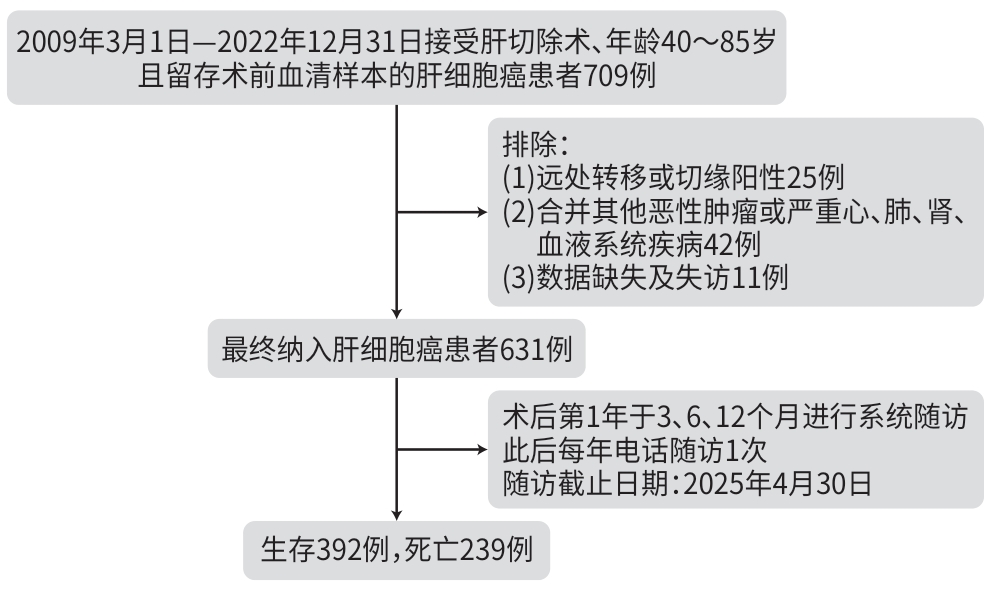
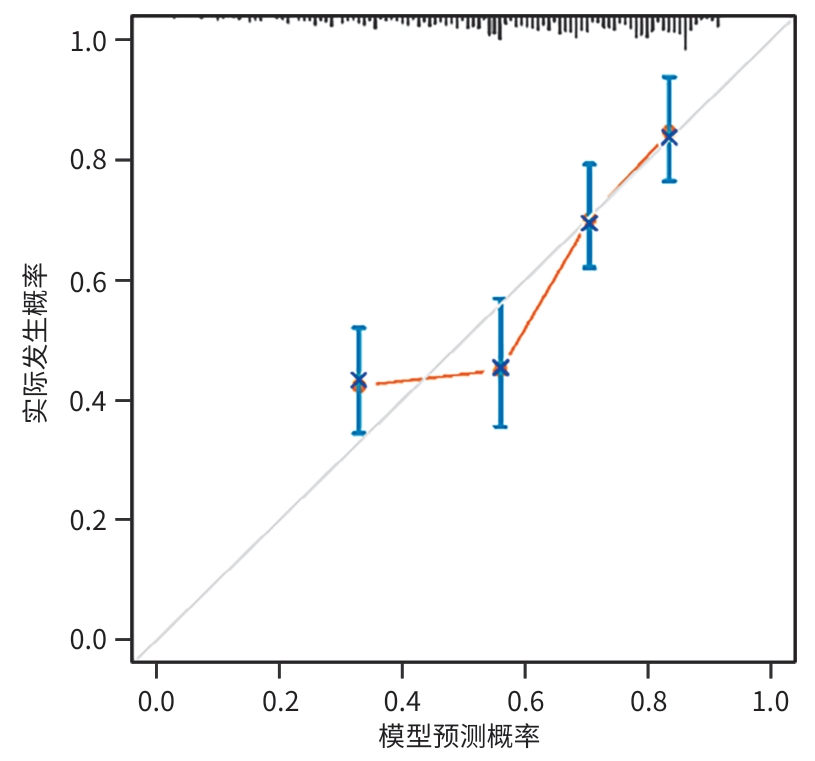
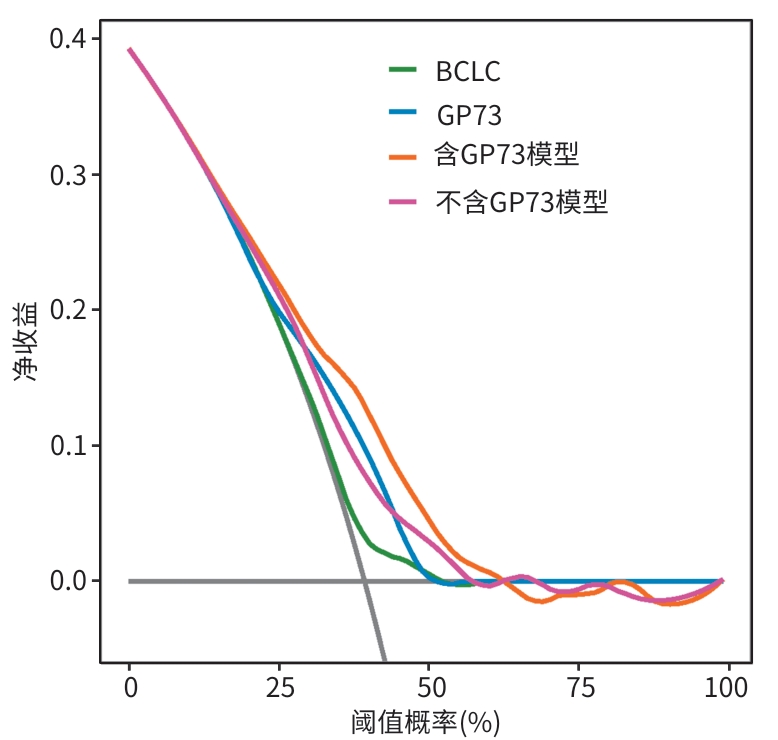
Objective To assess the performance of preoperative serum Golgi protein 73 (GP73) in diagnosing liver fibrosis degree in patients with resectable hepatocellular carcinoma (HCC), to investigate its value in predicting postoperative survival, and to provide a basis for risk stratification and individualized decision-making in this population. Methods A total of 631 patients with HCC who underwent liver resection at The First Hospital of Jilin University from March 1, 2009 to December 31, 2022 were enrolled. The demographic, pathological, and serological features of the patients were collected, and the serum level of GP73 was measured before surgery. Scheuer score determined by liver biopsy was used as the gold standard for diagnosing liver fibrosis; the Spearman correlation analysis was used to investigate the correlation between GP73 and liver fibrosis; the receiver operating characteristic (ROC) curve and the area under the ROC curve (AUC) were used to assess the value of serum GP73 and compound serological markers in the diagnosis of liver fibrosis, and the Delong test was used for comparison of AUC. With all-cause mortality as the outcome, X-Tile 3.6.1 software was used to determine the optimal cut-off value of GP73; the univariate and multivariate Cox regression analyses were used to identify independent influencing factors for prognosis, and a nomogram model was constructed. Ten-fold cross-validation was used for internal validation; index of concordance (C-index), integrated discrimination improvement (IDI) index, and net reclassification improvement (NRI) index were calculated; calibration curve and decision curve analysis were used to assess the predictive performance of the model. Results The serum level of GP73 was positively correlated with Scheuer liver fibrosis stage (rs =0.255, P<0.001). Serum GP73 had a significantly higher AUC than gamma-glutamyl transferase-to-platelet ratio (0.704 vs 0.634, Z=2.00, P=0.046) and S index (0.704 vs 0.637, Z=1.98, P=0.048) in the diagnosis of significant liver fibrosis, with no significant difference compared with aspartate aminotransferase-to-platelet ratio index (AUC=0.722) and fibrosis-4 index (AUC=0.695) (both P>0.05). During a median follow-up time of 48.66 months, 239 patients (37.9%) died. GP73 had an optimal cut-off value of 65 ng/mL in predicting postoperative mortality in patients with resectable HCC, and high GP73 expression (≥65 ng/mL) alone achieved a C-index of 0.617 for predicting the prognosis of HCC patients, which was better than the C-index of 0.551 for Barcelona Clinic Liver Cancer (BCLC) stage (P<0.001). The multivariate Cox regression analysis showed that serum GP73 (hazard ratio [HR]=2.56, 95% confidence interval [CI]: 1.86 — 3.52, P<0.001), sex (HR=1.58, 95%CI: 1.10 — 2.28, P=0.014), vascular invasion (HR=1.69, 95%CI: 1.30 — 2.21, P<0.001), total bilirubin (HR=1.49, 95%CI: 1.16 — 1.93, P=0.002), and maximum tumor diameter (HR=1.07, 95%CI: 1.04 — 1.11, P<0.001) were independent risk factors for all-cause mortality after hepatectomy in patients with HCC. In order to assess whether the addition of GP73 to the other four variables could further improve model performance, the model based on GP73, sex, vascular invasion, total bilirubin, and maximum tumor diameter was defined as the GP73-included model, and the model based on all five variables except GP73 was defined as the GP73-excluded model. The GP73-included model achieved an AUC of 0.704 (95%CI: 0.656 — 0.753) for predicting 5-year survival rate after surgery, and ten-fold cross-validation showed that this model had a mean C-index of 0.716 (95%CI: 0.682 — 0.750), which was higher than the C-index of the GP73-excluded model (C-index=0.682, 95%CI: 0.645 — 0.719, P=0.008) and BCLC stage (C-index=0.551, 95%CI: 0.523 — 0.580, P<0.001). Compared with the GP73-excluded model, the GP73-included model yielded an IDI index of 0.039 (95%CI: 0.016 — 0.069, P<0.001) and an NRI index of 0.259 (95%CI: 0.179 — 0.335, P<0.001), and compared with BCLC stage, the GP73-included model had an IDI index of 0.112 (95%CI: 0.069 — 0.163, P<0.001) and an NRI index of 0.272 (95%CI: 0.169 — 0.380, P<0.001). Calibration curve and decision curve analyses showed that the GP73-included model had good calibration and net clinical benefit. Conclusion GP73 can be used as a serological biomarker for diagnosing liver fibrosis in patients with resectable HCC, and preoperative GP73 level has a certain value in predicting the survival of these patients after hepatectomy. The integrated prognostic model incorporating GP73 can help to optimize postoperative risk stratification, thereby providing a basis for decision-making in precise treatment of HCC.
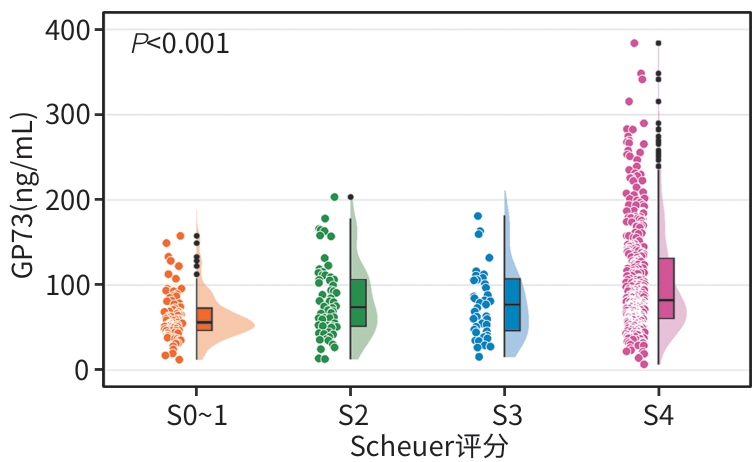
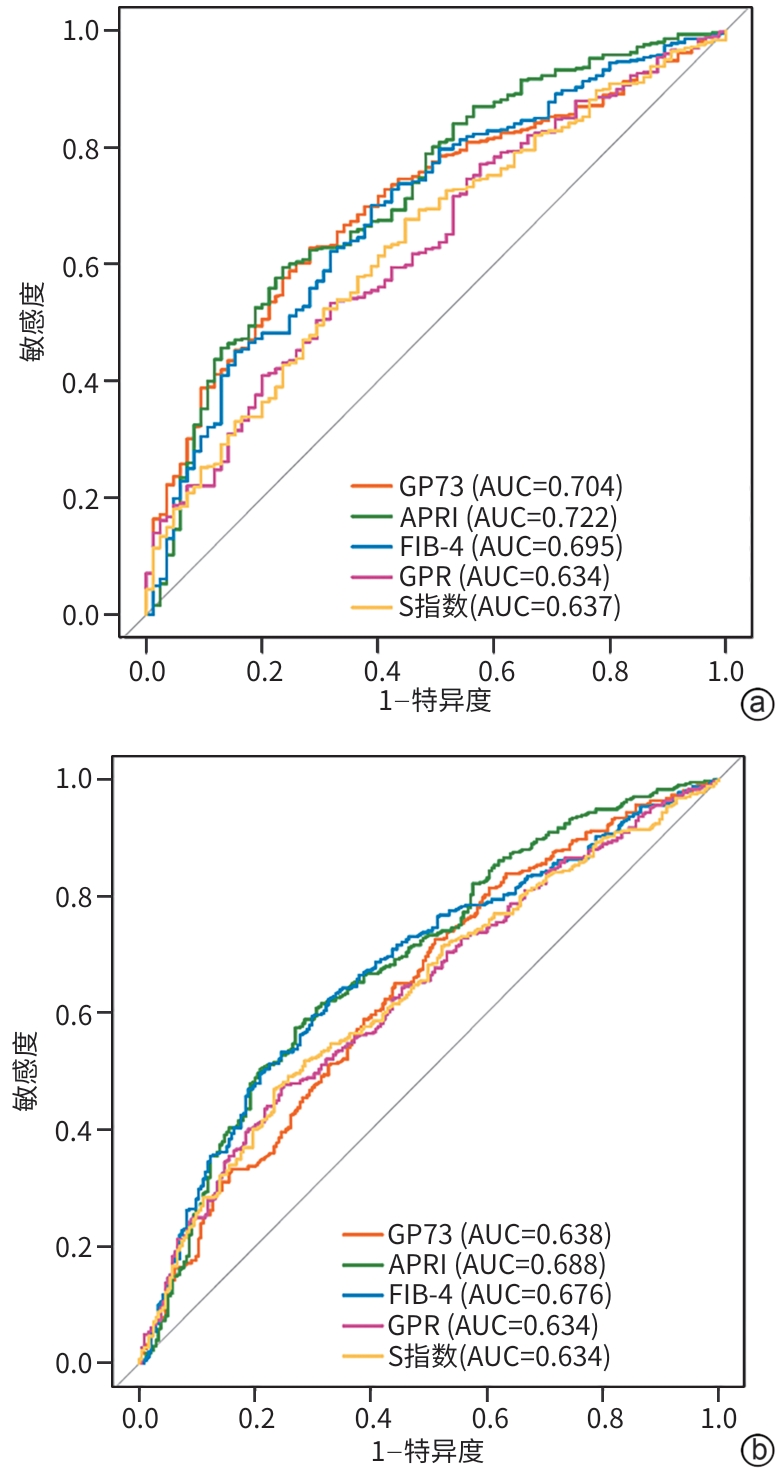
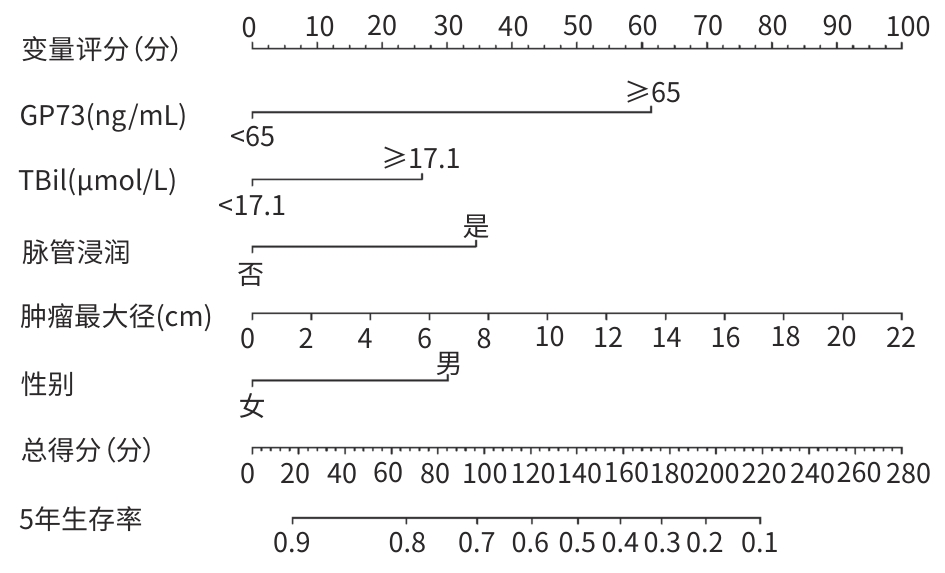
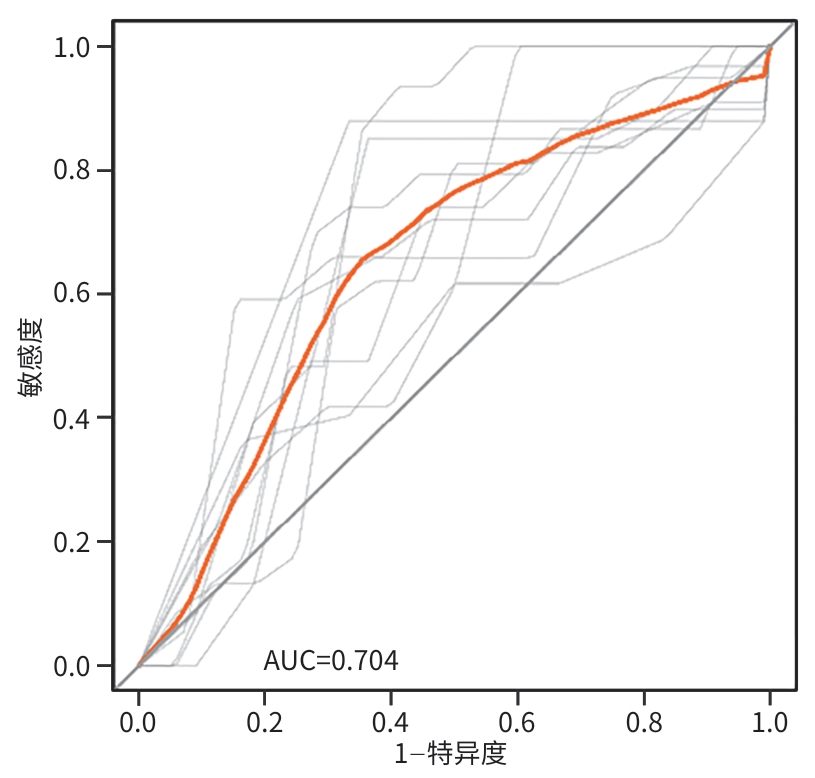
2026, 42(8): 1888-1893.
DOI: 10.12449/JCH260821
Abstract:
Objective To analyze the clinical data of 126 patients with hepatic myelopathy (HM), to summarize their clinical manifestations and prognostic features, and to provide a reference for clinical diagnosis and treatment. Methods Related clinical data were collected from 126 HM patients who attended The First Hospital of Lanzhou University from January 1, 2016 to June 30, 2025, and according to their muscle strength on admission, they were divided into grade<3 group, grade 3 group, and grade 4 group. The three groups were compared in terms of the clinical data including etiology, symptoms, clinical signs, past history, personal history, laboratory test results, imaging findings, treatment, and outcome. An analysis of variance was used for comparison of normally distributed continuous data between multiple groups, and the least significant difference t-test was used for further comparison between two groups; the Kruskal-Wallis H test was used for comparison of non-normally distributed continuous data between multiple groups, and the Bonferroni correction method was used for further comparison between two groups; the chi-square test was used for comparison of categorical data between multiple groups. Results All 126 patients with HM were comorbid with liver cirrhosis, with a male/female ratio of 2.7∶1, an age of 23 — 73 years, a mean age of 53.9±9.3 years, and a median age of 54 years. The top three etiologies of liver cirrhosis were hepatitis B in 78 patients (61.9%), hepatitis C in 9 patients (7.1%), and alcoholic hepatitis in 8 patients (6.3%). During the course of the disease, all 126 patients with HM showed weakness in both lower limbs, among whom 9 patients (7.1%) also had the symptoms of lower limb pain and numbness. Among the 126 patients, 3 (2.4%) had grade 0 muscle strength, 4 (3.2%) had grade 1 muscle strength, 9 (7.1%) had grade 2 muscle strength, 39 (31.0%) had grade 3 muscle strength, and 71 (56.3%) had grade 4 muscle strength. Comparison of related data between the three groups of patients with varying grades of muscle strength showed that as for comorbidities, there were significant differences between the three groups in the constituent ratios of overt hepatic encephalopathy (OHE) (χ2=6.254, P=0.044), ascites (χ2=6.248, P=0.044), and liver failure (χ2=7.704, P=0.029); as for laboratory markers, there were significant differences between the three groups in red blood cell count (RBC) (F=5.334, P=0.006), hemoglobin (HGB) (F=4.627, P=0.012), aspartate aminotransferase (AST) (H=6.866, P=0.032), alanine aminotransferase (H=6.444, P=0.040), albumin (Alb) (F=6.331, P=0.002), cholinesterase (ChE) (H=11.064, P=0.004), total cholesterol (TC) (F=4.843, P=0.009), prothrombin activity (PTA) (F=3.937, P=0.022) and international normalized ratio (INR) (H=6.448, P=0.040). Compared with the grade 4 group, the grade<3 group had significantly lower levels of RBC, HGB, and ChE (all P<0.05) and a significantly higher level of AST (P<0.05); compared with the grade 3 group, the grade<3 group had significant reductions in Alb, TC, and PTA (all P<0.05) and a significant increase in INR (P<0.05). At discharge, 27 patients (21.4%) achieved improvement, and 99 patients (78.6%) showed no response, among whom 2 patients died. Conclusion HM has the main clinical manifestation of symmetrical spastic paraplegia of both lower limbs, and it is more common in men. The main causes of HM include hepatitis B, hepatitis C, and alcoholic hepatitis. Muscle strength in HM patients is associated with the comorbidity of OHE, ascites, or liver failure, and patients with weak muscle strength tend to have low levels of RBC, HGB, Alb, ChE, TC, and PTA and high levels of AST and INR, suggesting that the changes in these indicators may be correlated with the degree of muscle strength impairment. HM often has a poor prognosis, and there are currently no effective treatment methods.
2026, 42(8): 1894-1901.
DOI: 10.12449/JCH260822
Abstract:
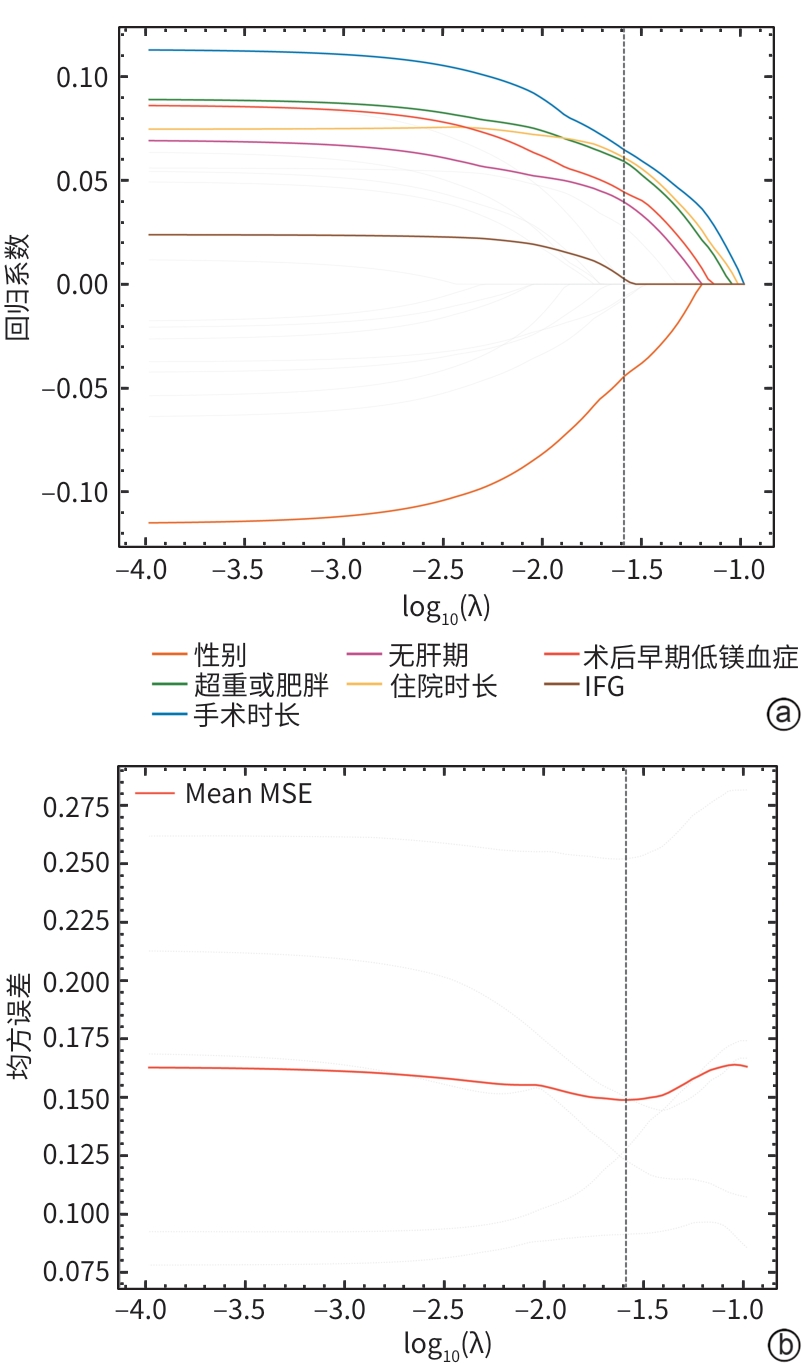
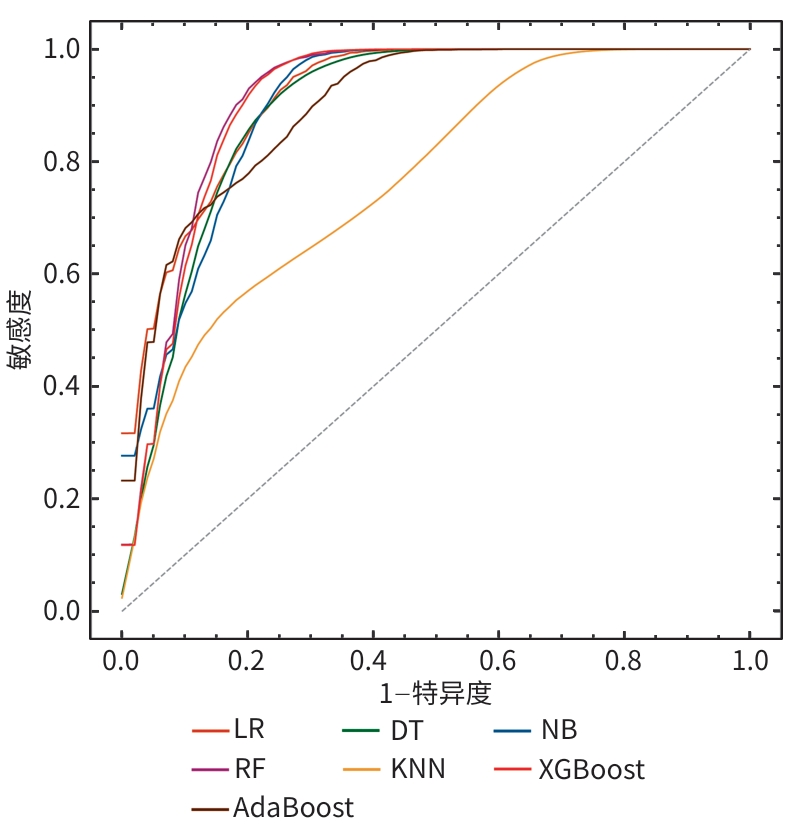
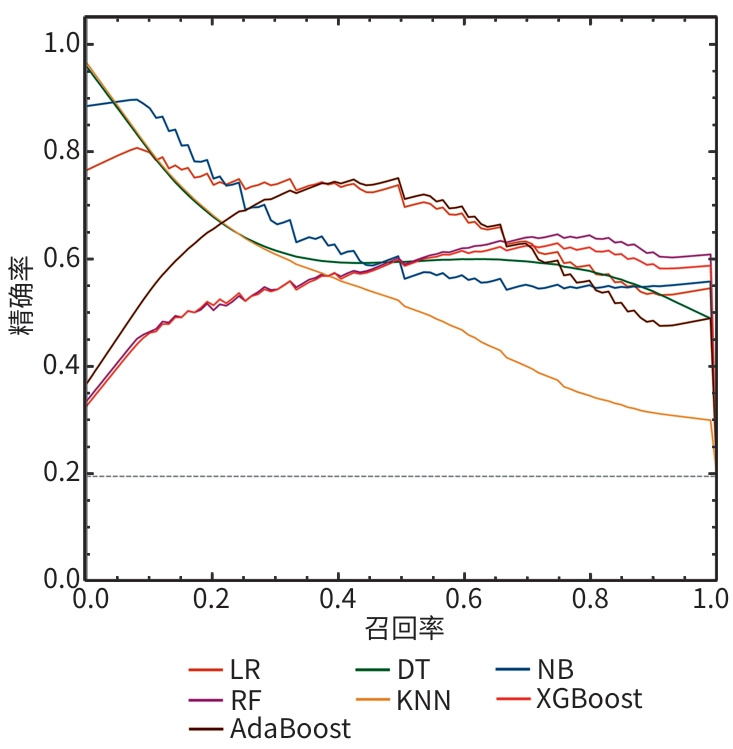
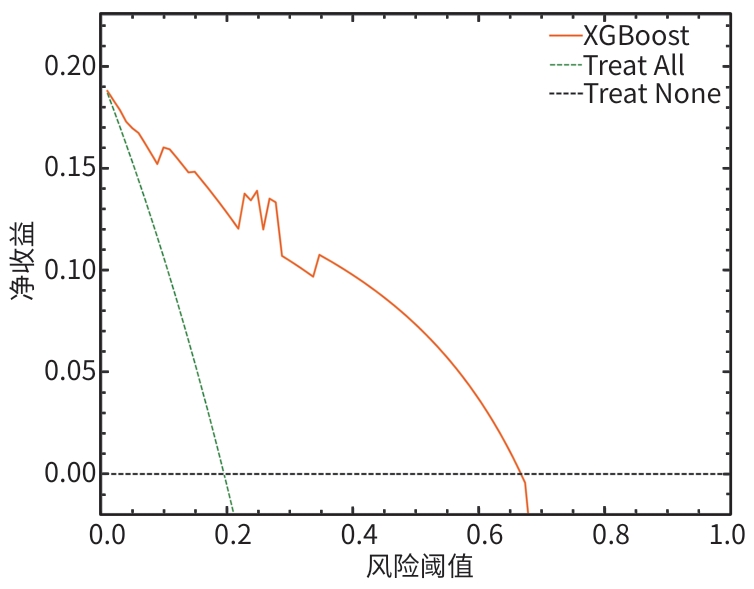
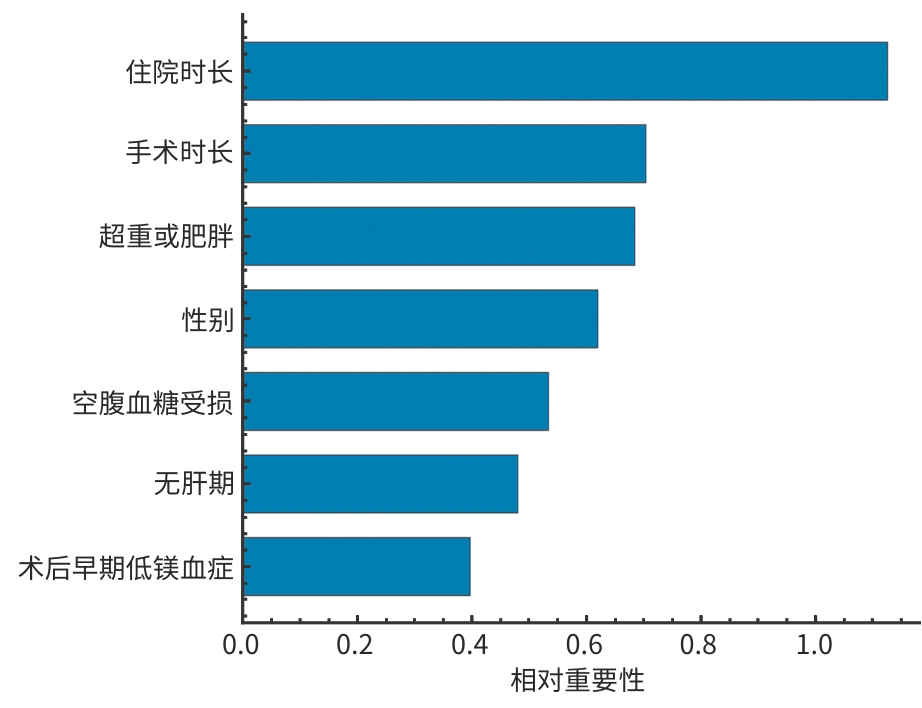
Objective To construct and validate a risk assessment model for post-transplant diabetes mellitus (PTDM) using multiple machine learning algorithms, and to realize the early identification of PTDM. Methods A retrospective analysis was performed for the clinical data of the patients who underwent allogeneic liver transplantation in The First Hospital of Shanxi Medical University from April 1, 2020 to December 31, 2024, and they were randomly divided into a training set and a validation set at a ratio of 7∶3. The LASSO regression analysis combined with 5-fold cross-validation was used for feature selection. Seven machine learning models were developed in the training set, i.e., logistic regression (LR), decision tree (DT), Naive Bayes (NB), random forest (RF), K-nearest neighbor (KNN), extreme gradient boosting (XGBoost), and adaptive boosting (AdaBoost). In the validation set, various methods were used to assess the predictive performance of each model, such as accuracy, precision, recall rate, specificity, F1 score, area under the receiver operating characteristic curve (AUROC), and area under the precision-recall curve (AUPRC). The Brier score and decision curve analysis were used to assess the calibration and clinical practicability of the models, and the SHAP method was used to analyze feature importance. The independent-samples t test or the Wilcoxon rank-sum test was used for comparison of continuous data between two groups, and the chi-square test or the Fisher’s exact test was used for comparison of categorical data between two groups. Results A total of 135 liver transplant recipients were enrolled, among whom 26 developed PTDM, and there were 94 patients in the training set and 41 in the validation set. Feature extraction and screening identified 7 key features of sex, overweight or obesity, anhepatic phase, time of operation, length of hospital stay, early postoperative hypomagnesemia, and impaired fasting glucose (IFG). In the validation set, the XGBoost model showed the best predictive performance, with an AUROC of 0.907 (95% confidence interval [CI]: 0.807 — 0.989), an AUPRC of 0.649 (95%CI: 0.339 — 0.955), an accuracy of 0.878, a precision of 0.667, a recall rate of 0.750, an F1-score of 0.706, a specificity of 0.909, and a Brier score of 0.104. The decision curve analysis showed that when the threshold probability was below 0.667, application of the XGBoost model in clinical decision-making provided relatively high net benefit. The SHAP analysis showed that the length of hospital stay ranked first in terms of feature importance, followed by time of operation, overweight or obesity, sex, IFG, anhepatic phase, and early postoperative hypomagnesemia. Conclusion The risk assessment model for PTDM in liver transplant recipients based on XGBoost algorithm has excellent performance and can effectively identify high-risk individuals; however, multicenter large-sample data are needed for further validation.
2026, 42(8): 1902-1907.
DOI: 10.12449/JCH260823
Abstract:
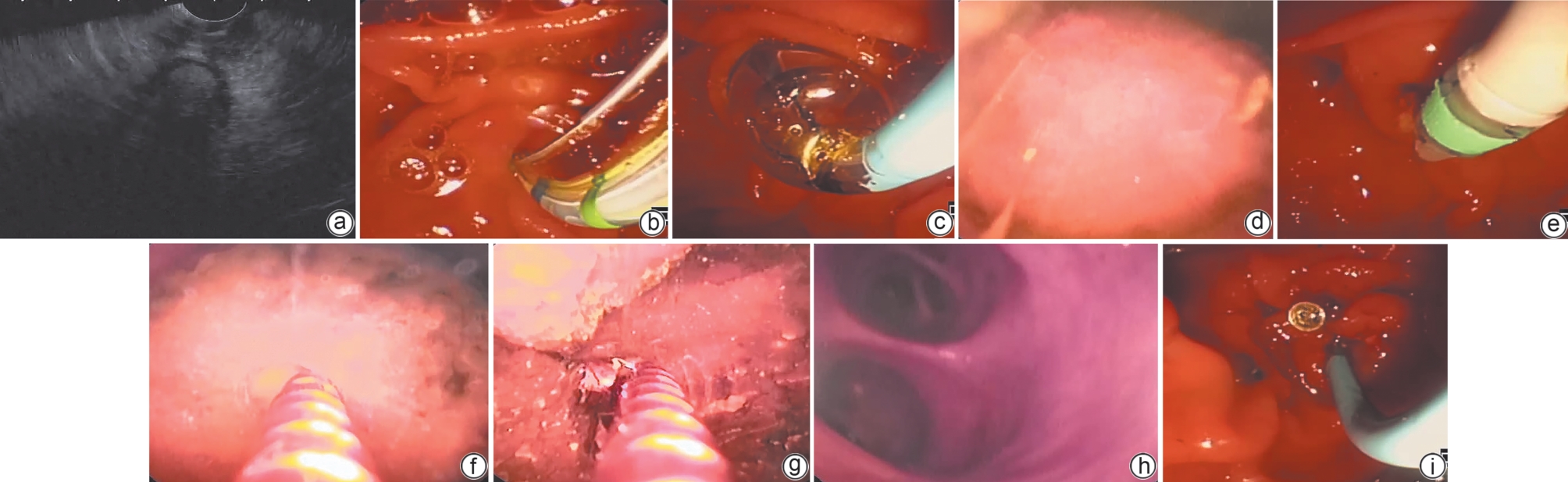
Objective To investigate the safety and efficacy of transparent cap-assisted peroral cholangiopancreatoscopy-guided electrohydraulic lithotripsy (EHL). Methods A retrospective analysis was performed for the clinical data of 60 patients with large common bile duct stones who were admitted to Department of Gastroenterology, Jilin People’s Hospital, from May 1, 2023 to January 31, 2026, and according to the treatment method, the patients were divided into transparent cap-assisted peroral cholangiopancreatoscopy-guided electrohydraulic lithotripsy group and peroral cholangiopancreatoscopy-guided electrohydraulic lithotripsy group, with 30 patients in each group. The two groups were compared in terms of the rate of successful single-session stone fragmentation and removal, procedural time, duration of electrohydraulic lithotripsy, clinical success rate, and complications. The independent-samples t test or the Mann-Whitney U test was used for comparison of continuous data between two groups, and the chi-square test or the Fisher’s exact test was used for comparison of categorical data between two groups. Results Compared with the peroral cholangiopancreatoscopy-guided electrohydraulic lithotripsy group, the transparent cap-assisted peroral cholangiopancreatoscopy-guided electrohydraulic lithotripsy group had a significantly higher technical success rate (83.33% vs 60.00%, χ2=4.022, P=0.045) and significantly shorter procedural time [46.00 (42.25 — 49.00) min vs 54.50 (42.00 — 65.00) min, Z=2.012, P=0.044] and duration of electrohydraulic lithotripsy [8.00 (6.25 — 11.75) min vs 13.50 (9.25 — 17.75) min, Z=2.749, P=0.006]. Both groups achieved a clinical success rate of 100%, with no significant difference in the incidence rate of complications (P>0.05). Conclusion Transparent cap-assisted peroral cholangiopancreatoscopy-guided electrohydraulic lithotripsy has a high rate of successful single-session stone fragmentation and removal and a short procedural time, with good safety and efficacy, and therefore, it holds promise for clinical application.
2026, 42(8): 1908-1916.
DOI: 10.12449/JCH260824
Abstract:
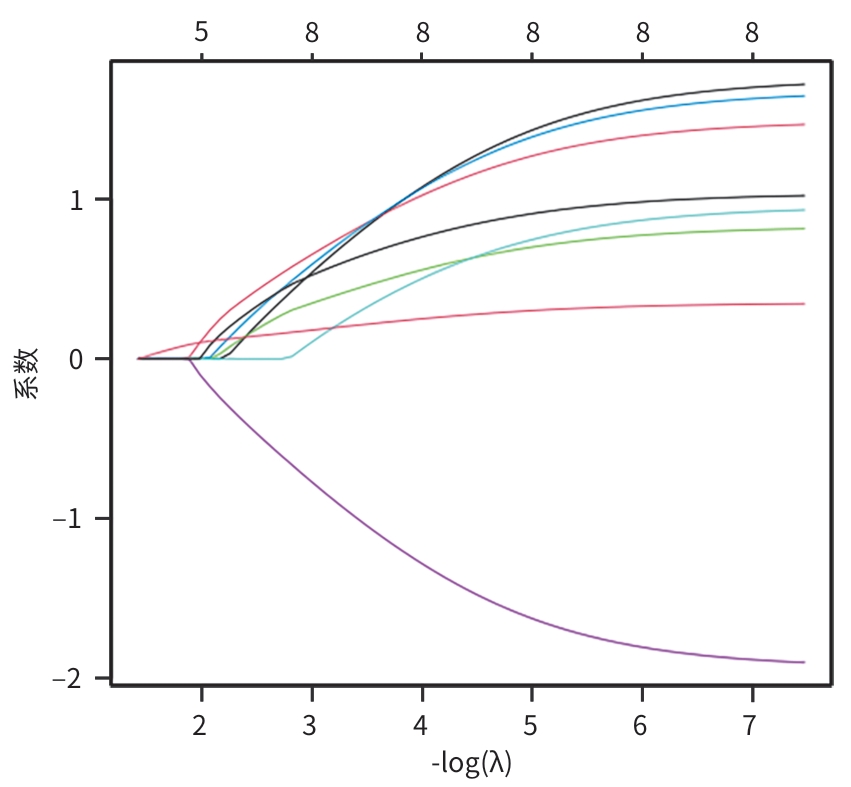
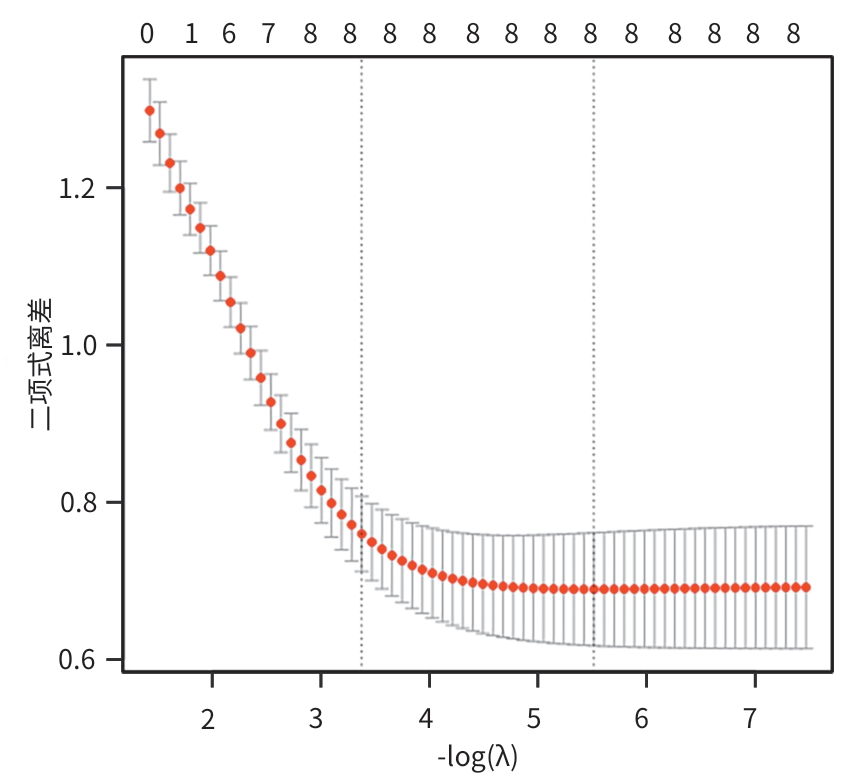
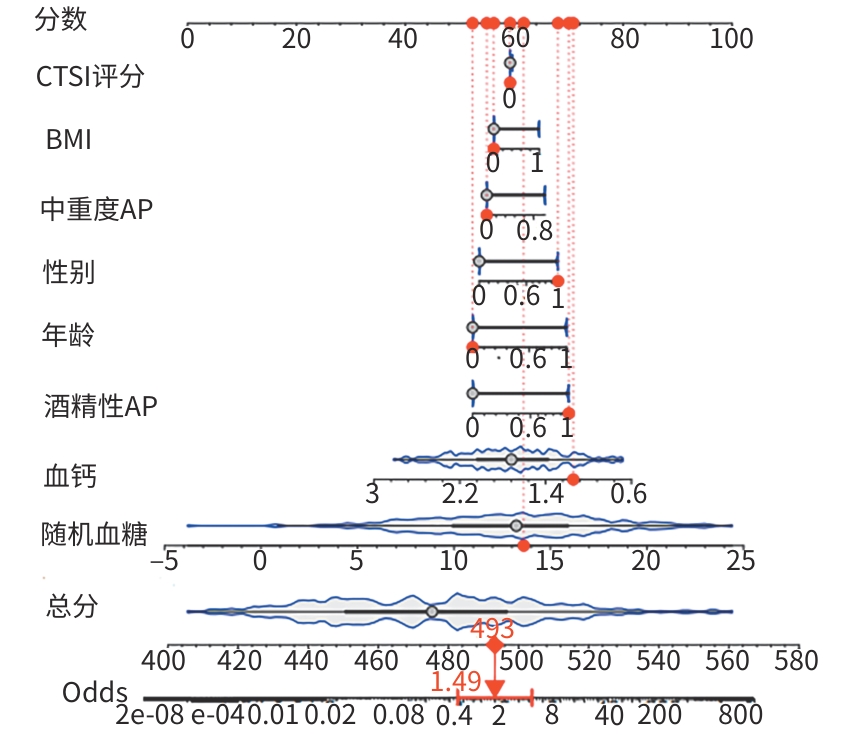
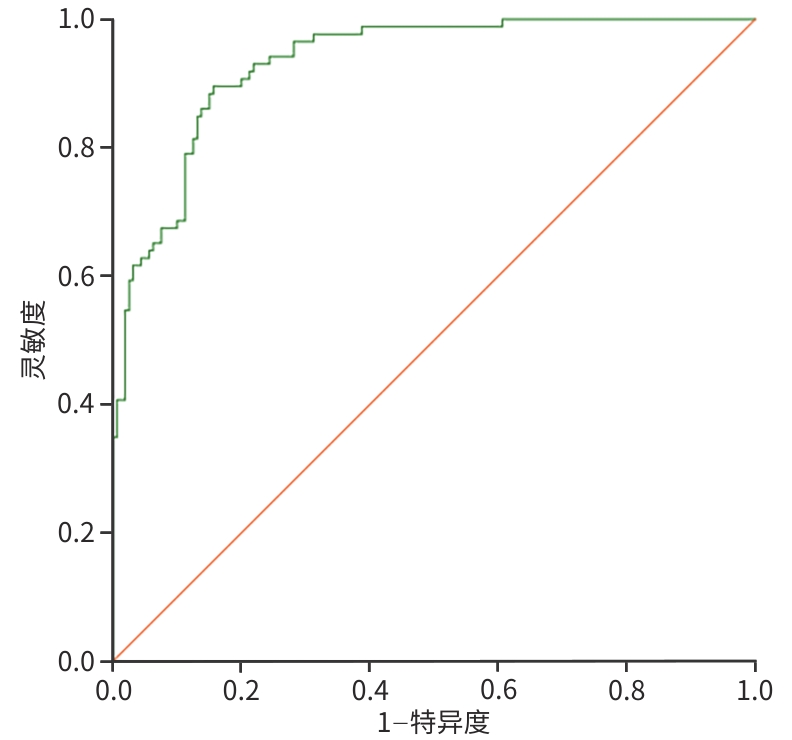
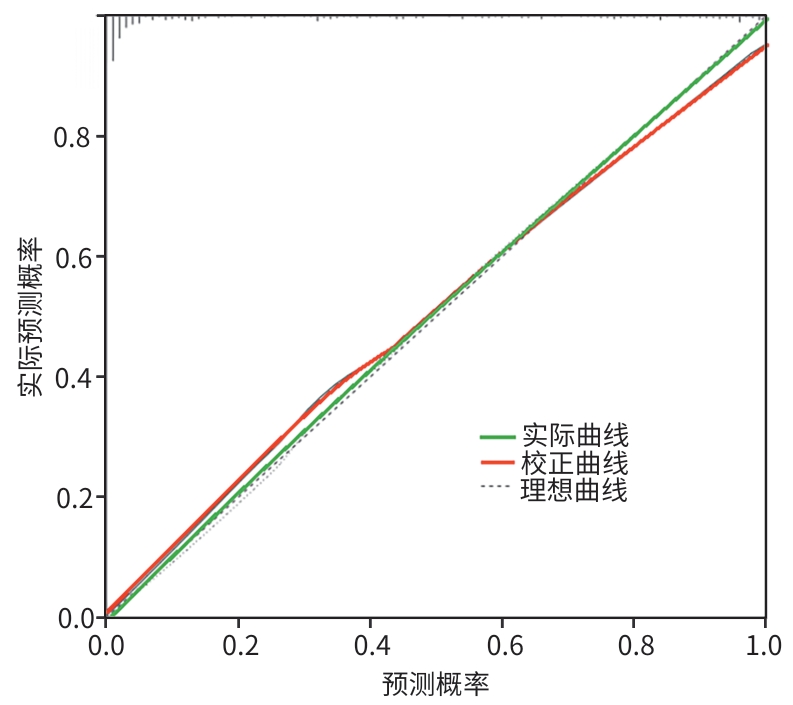
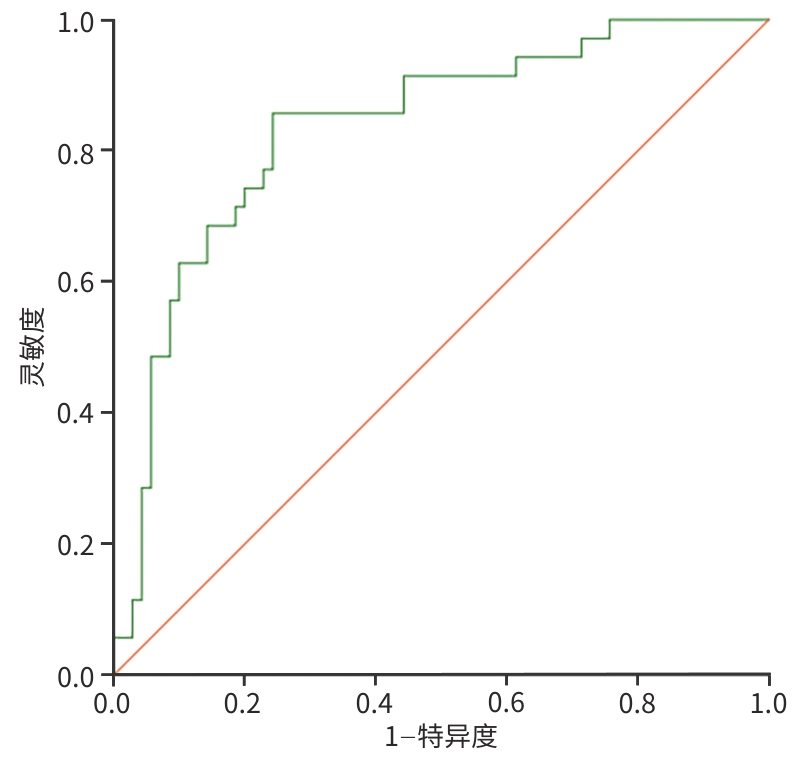
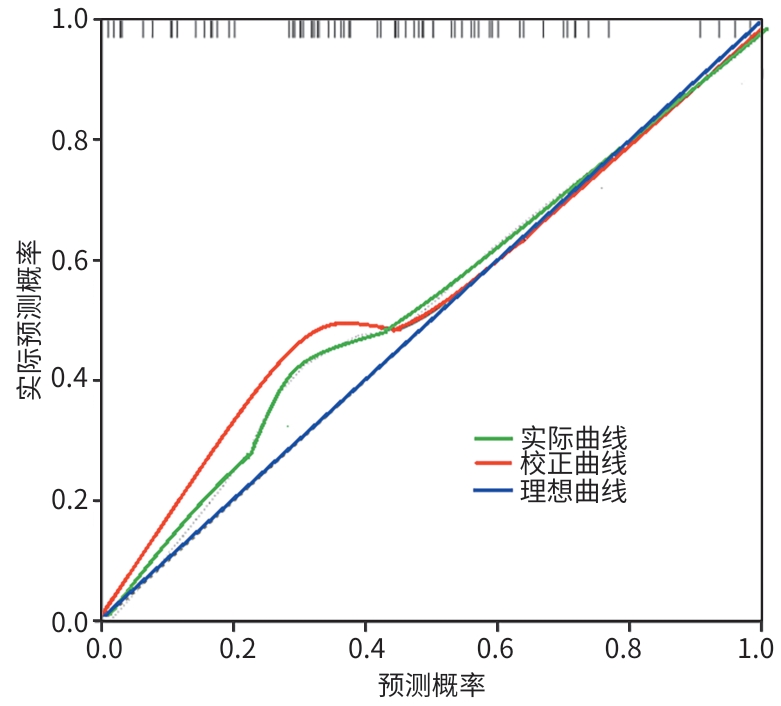
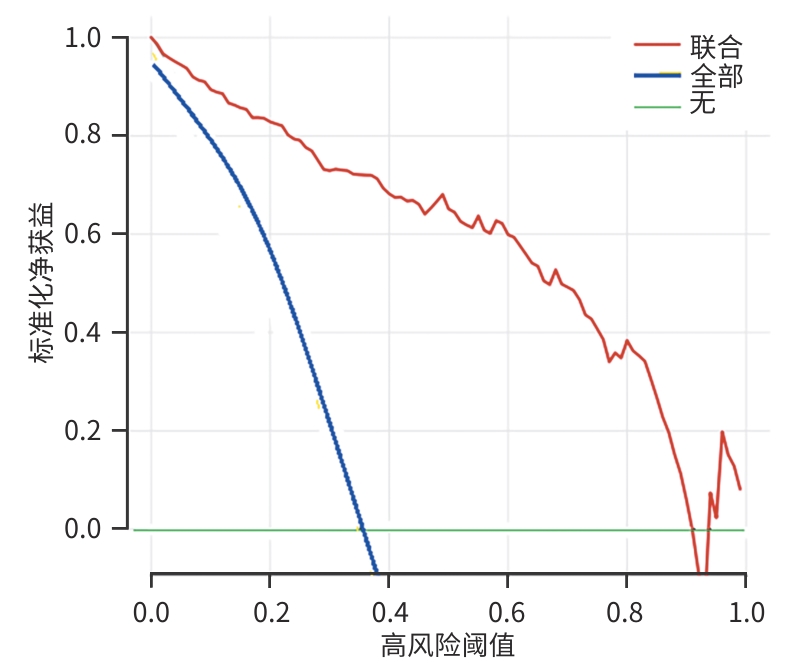
Objective To investigate the risk factors for post-acute pancreatitis diabetes mellitus (PPDM-A) in patients with acute pancreatitis (AP), to construct a nomogram prediction model, and to provide a reference for the development of individualized treatment regimens. Methods A total of 351 patients with AP who were admitted to Xuzhou Municipal Hospital Affiliated to Xuzhou Medical University from June 2021 to January 2025 were prospectively enrolled, and they were randomly divided into modeling group with 246 patients and validation group with 105 patients at a ratio of 7∶3. According to the presence or absence of PPDM-A in the patients with AP, the modeling group was further divided into PPDM-A group with 86 patients and non-PPDM-A group with 160 patients. Clinical data were collected from all patients. The least absolute shrinkage and selection operator (LASSO) regression analysis was used to determine independent variables, and a Logistic regression analysis was used to investigate the influencing factors for PPDM-A. R software was used to construct a nomogram model. The receiver operating characteristic curve was used to assess the discriminatory ability of the model, and the Hosmer-Lemeshow test was used to test the model fitting degree, and the calibration curve was used to evaluate the model consistency; and decision curve analysis (DCA) was used to assess its clinical application value. The independent-samples t test was used for comparison of continuous data between two groups, and the chi-square test was used for comparison of categorical data between two groups. Results Among the 246 patients, 86 developed PPDM-A, resulting in an incidence rate of 34.96%. There were significant differences between the PPDM-A group and the non-PPDM-A group in the proportion of patients with an age of ≥60 years (65.12% vs 40.62%, P<0.05), male sex (75.58% vs 55.63%, P<0.05), a body mass index (BMI) of ≥24 kg/m2 (63.95% vs 37.50%, P<0.05), alcoholic AP (56.98% vs 36.87%, P<0.05), moderate-to-severe AP (54.65% vs 35.00%, P<0.05), or a computed tomography severity index (CTSI) score of ≥4 points (48.84% vs 28.75%, P<0.05), as well as significant differences in the levels of blood calcium (1.46±0.35 mmol/L vs 1.89±0.37 mmol/L, P<0.05) and random blood glucose (Glu) (17.68±4.12 mmol/L vs 11.68±4.27 mmol/L, P<0.05). The LASSO regression analysis obtained 8 independent variables. The Logistic regression analysis showed that age, sex, BMI, alcoholic AP, moderate-to-severe AP, CTSI score, and Glu were risk factors for PPDM-A (all P<0.05), while blood calcium was a protective factor (P<0.05). The model had an area under the ROC curve (AUC) of 0.932 (95% confidence interval [CI]: 0.903 — 0.962) in the modeling group, and the Hosmer-Lemeshow goodness-of-fit test yielded χ2=7.346 (P=0.728), the accuracy of model fitting was good; the calibration curve showed that the predicted probability was consistent with the actual probability, indicating that the consistency was good. The model had an AUC of 0.835 (95%CI: 0.753 — 0.917) in the validation group, and the Hosmer-Lemeshow goodness-of-fit test yielded χ2=7.014 (P=0.711), the accuracy of model fitting was good; the calibration curve showed that the predicted probability was consistent with the actual probability, indicating that the consistency was good. The DCA results of the modeling group showed that the model exhibited a high clinical value in evaluating PPDM-A when the threshold probability was 0.13 — 0.94. Conclusion Age, sex, BMI, alcoholic AP, moderate-to-severe AP, blood calcium, CTSI score, and Glu are influencing factors for PPDM-A. The nomogram model constructed based on the above influencing factors shows good performance in predicting the risk of PPDM-A and can thus provide a reference for developing prevention strategies for PPDM-A in clinical practice.
2026, 42(8): 1917-1925.
DOI: 10.12449/JCH260825
Abstract:
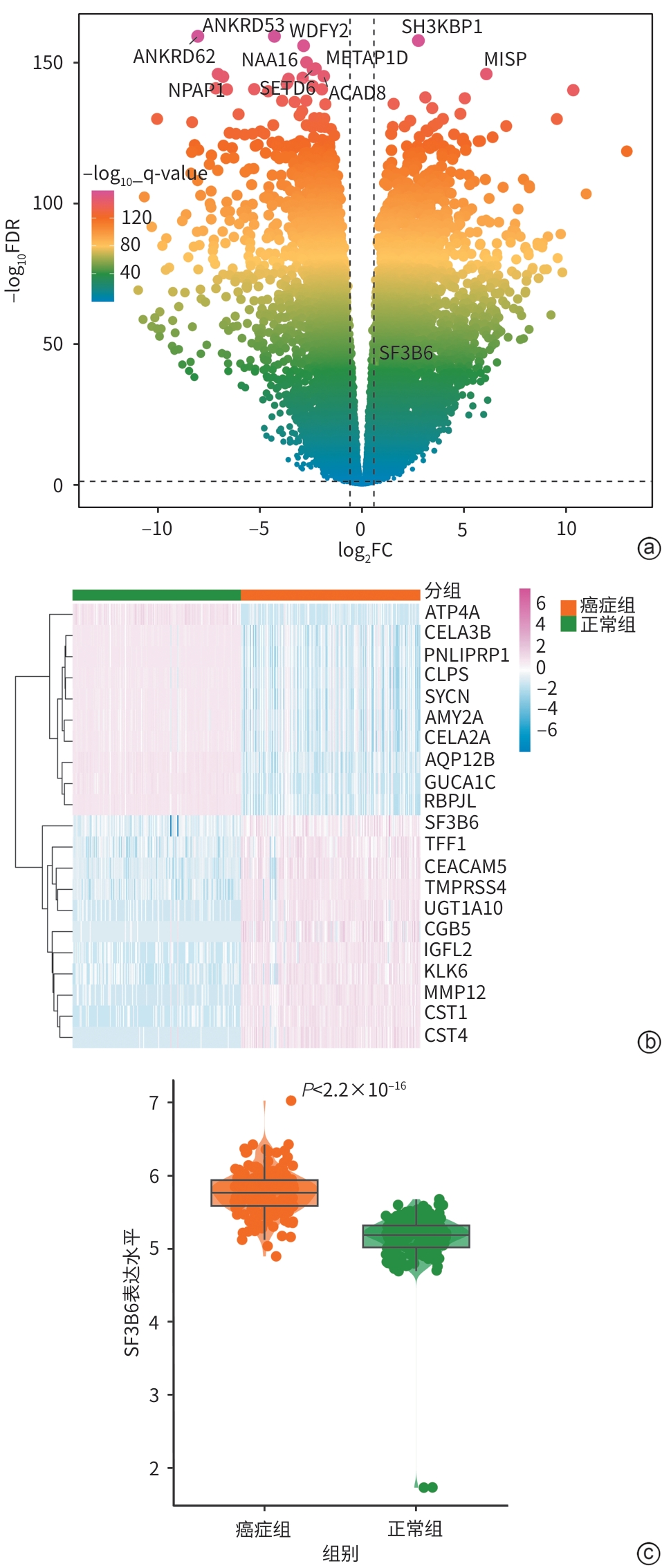
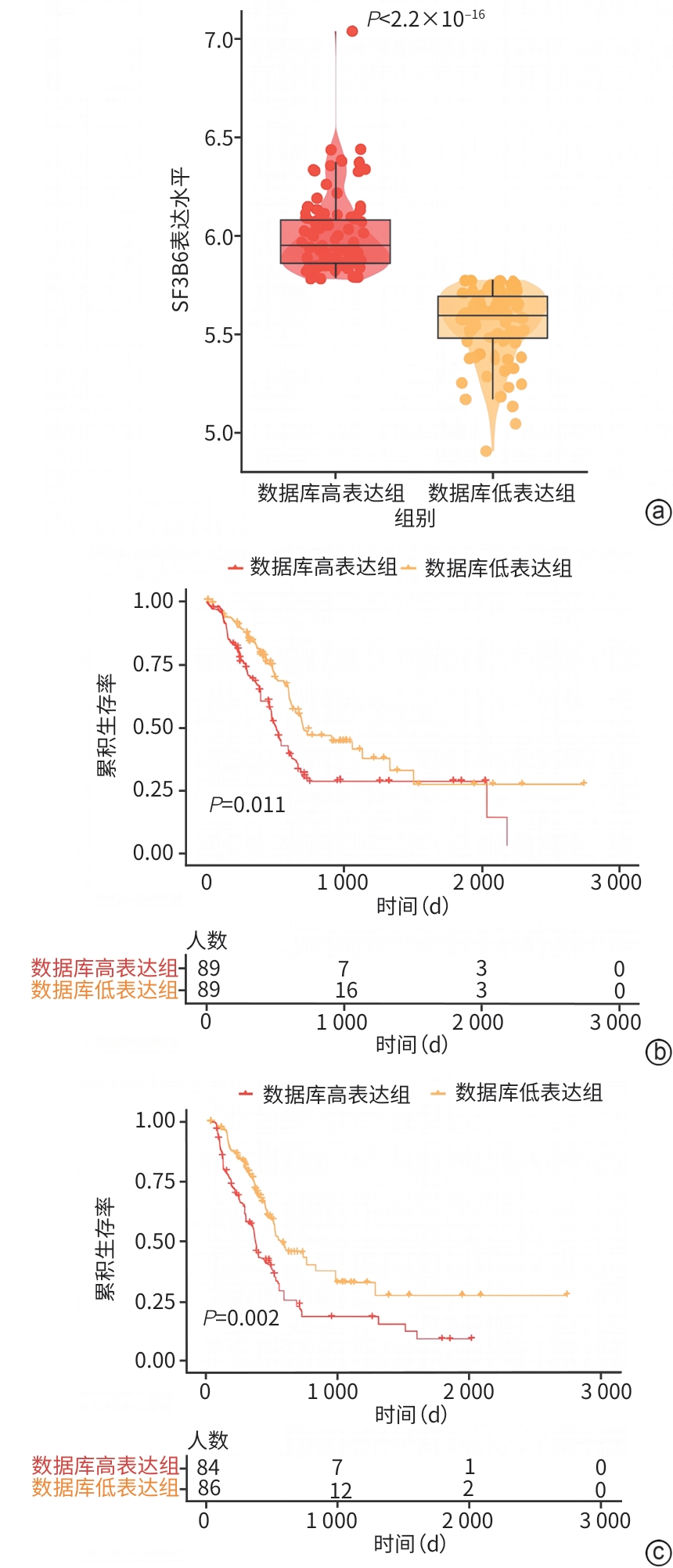
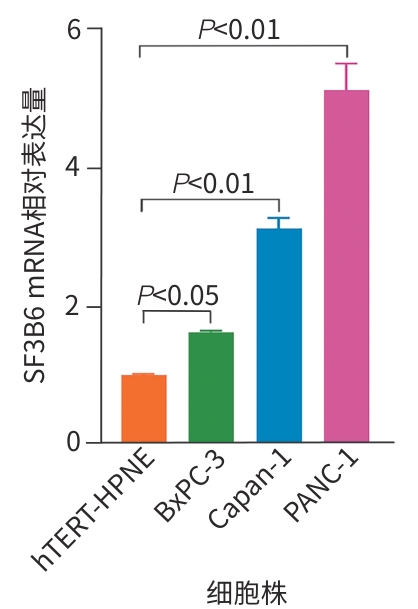
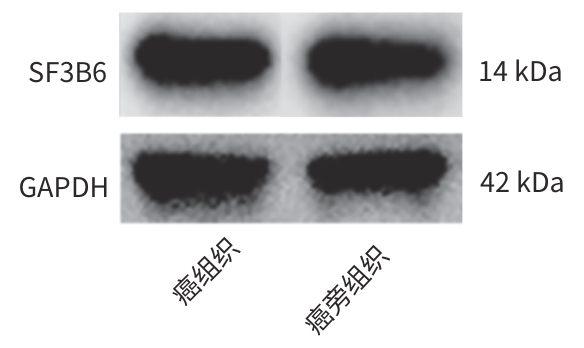
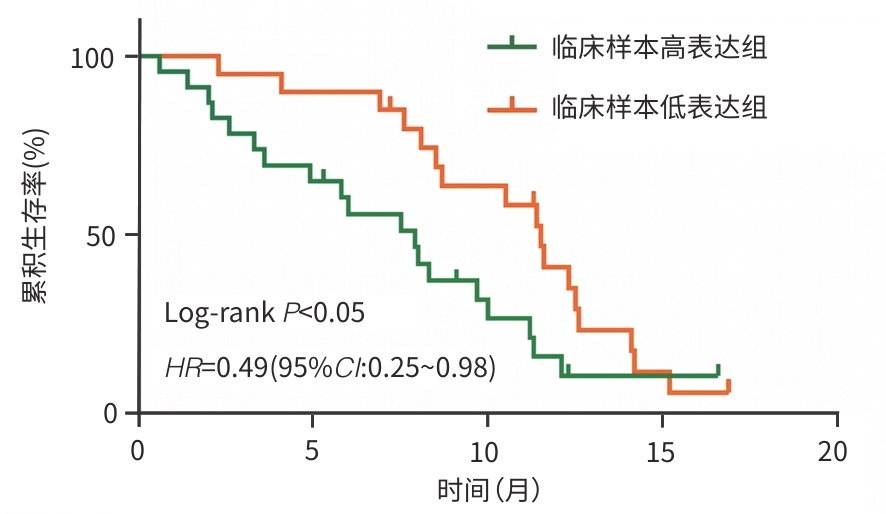
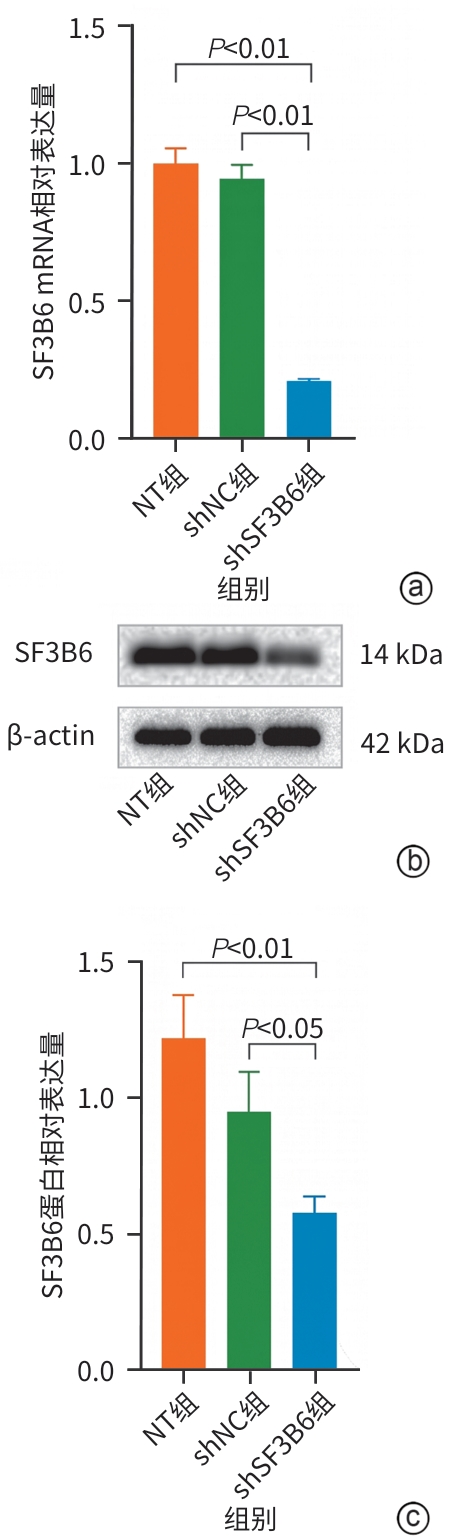
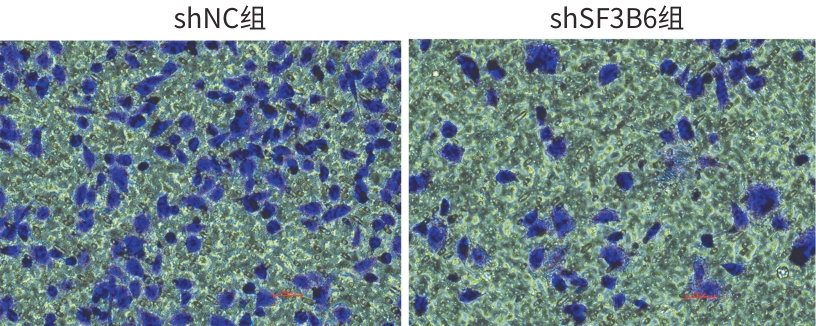
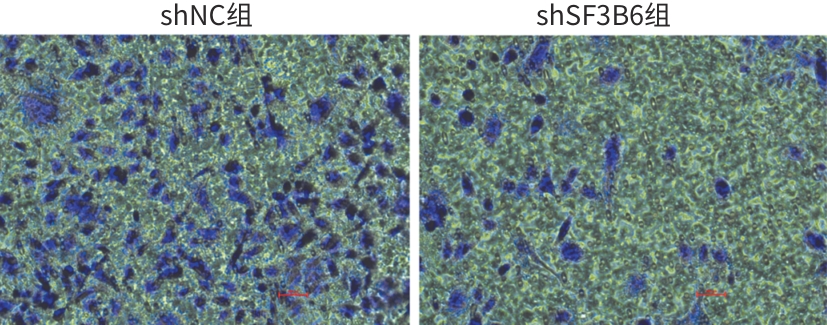
Objective To systematically clarify the expression profile of splicing factor 3B subunit 6 (SF3B6) in pancreatic cancer, its clinical prognostic value, and its regulatory effect on the malignant phenotype of cancer cells through bioinformatics analysis, clinical sample validation, and in vitro functional experiments, and to assess its potential as a novel tumor biomarker. Methods Transcriptomic and clinical data were downloaded from The Cancer Genome Atlas and Xena public databases at The University of California Santa Cruz to investigate the difference in the expression of SF3B6 between pancreatic cancer tissue and normal pancreatic tissue, and the association of SF3B6 with the prognosis and clinical indices of patients with pancreatic cancer was analyzed. Three pancreatic ductal adenocarcinoma cell lines and one normal pancreatic ductal epithelial cell line were cultured, and RT-qPCR was used to measure the expression level of SF3B6 in pancreatic cancer. A total of 43 patients with pancreatic cancer who underwent surgery in Binzhou Medical University Hospital Results The bioinformatics analysis showed that SF3B6 was highly expressed in pancreatic cancer tissue (P<2.2×10⁻¹⁶) and significantly affected the overall survival (P=0.011) and progression-free survival (P=0.002) of patients with pancreatic cancer. Sex, age, clinical stage, and TNM stage were not influencing factors for SF3B6 expression (all P>0.05), and SF3B6 could be used as an independent risk factor for the survival outcome of patients with pancreatic cancer (overall survival: hazard ratio=2.26, 95% confidence interval: 1.13 — 4.50, P=0.021; progression-free survival: hazard ratio=2.37,95% confidence interval: 1.22 — 4.58, P=0.010). Cellular and tissue experiments confirmed the high expression level of SF3B6 in pancreatic cancer cell lines (P<0.05), and the expression level of SF3B6 increased with the increase in the malignancy of pancreatic cancer, showing the highest relative expression level in PANC-1 cells with the highest degree of malignancy; the expression level of SF3B6 in the solid tissue of pancreatic cancer was significantly higher than that in paracancerous tissue (P<0.01). The expression level of SF3B6 might affect the overall survival of patients with pancreatic cancer (P<0.05), while it showed no significant association with age, sex, pathological grade, maximum tumor diameter, or clinical stage (all P>0.05). Knockdown of SF3B6 significantly inhibited the proliferation, migration, and invasion of pancreatic cancer cells (all P<0.01). Conclusion SF3B6 is highly expressed in pancreatic cancer, and the high expression of SF3B6 can promote the proliferation, migration, and invasion of pancreatic cancer cells. Therefore, SF3B6 can be used as a potential biomarker for prognostic evaluation.
2026, 42(8): 1926-1929.
DOI: 10.12449/JCH260826
Abstract:
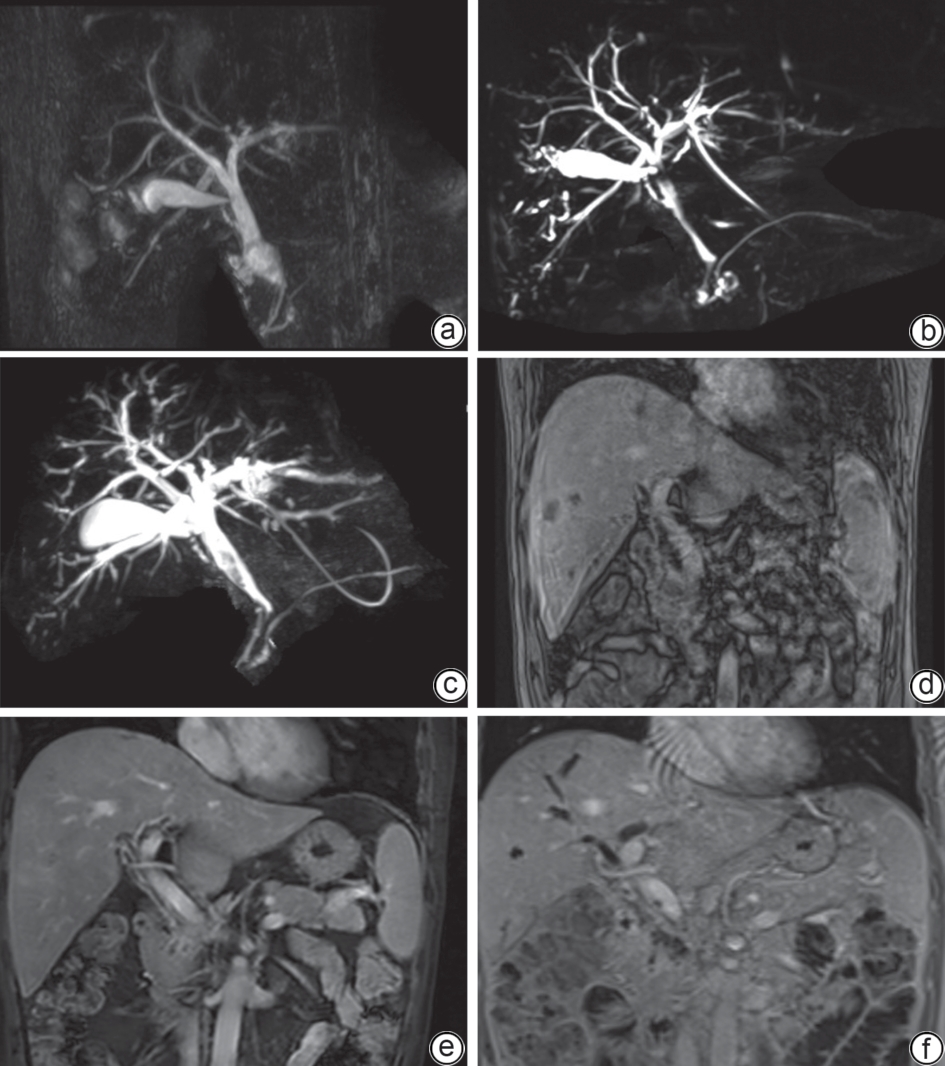
Distal cholangiocarcinoma (dCCA) often has subtle symptoms in its early stage, and the optimal surgical timing is often missed at the time of diagnosis. This article reports a patient with dCCA who attended the hospital due to obstructive jaundice. Although the patient had a history of liver fluke infection and positive serological results, persistent stricture of the common bile duct remained unrelieved after adequate drainage and infection control. Due to the longitudinal growth pattern of the tumor, multiple endoscopic biopsies yielded false-negative results. Multidisciplinary consultation recommended a 1-month follow-up, but the patient failed to return to hospital for review and was found to have liver metastasis (stage Ⅳ) at the time of confirmed diagnosis, and thus the patient missed the opportunity for radical surgery. This article summarizes the common pitfalls and lessons in the early diagnosis of dCCA and proposes that for highly suspected cases in clinical practice, it is crucial to conduct multidisciplinary diagnosis and treatment, integrate dynamic imaging and tumor marker monitoring, and implement proactive structured evaluations, so as to avoid diagnostic and therapeutic delays and ultimately improve the prognosis of patients.
Distal cholangiocarcinoma (dCCA) often has subtle symptoms in its early stage, and the optimal surgical timing is often missed at the time of diagnosis. This article reports a patient with dCCA who attended the hospital due to obstructive jaundice. Although the patient had a history of liver fluke infection and positive serological results, persistent stricture of the common bile duct remained unrelieved after adequate drainage and infection control. Due to the longitudinal growth pattern of the tumor, multiple endoscopic biopsies yielded false-negative results. Multidisciplinary consultation recommended a 1-month follow-up, but the patient failed to return to hospital for review and was found to have liver metastasis (stage Ⅳ) at the time of confirmed diagnosis, and thus the patient missed the opportunity for radical surgery. This article summarizes the common pitfalls and lessons in the early diagnosis of dCCA and proposes that for highly suspected cases in clinical practice, it is crucial to conduct multidisciplinary diagnosis and treatment, integrate dynamic imaging and tumor marker monitoring, and implement proactive structured evaluations, so as to avoid diagnostic and therapeutic delays and ultimately improve the prognosis of patients.
2026, 42(8): 1930-1932.
DOI: 10.12449/JCH260827
Abstract:
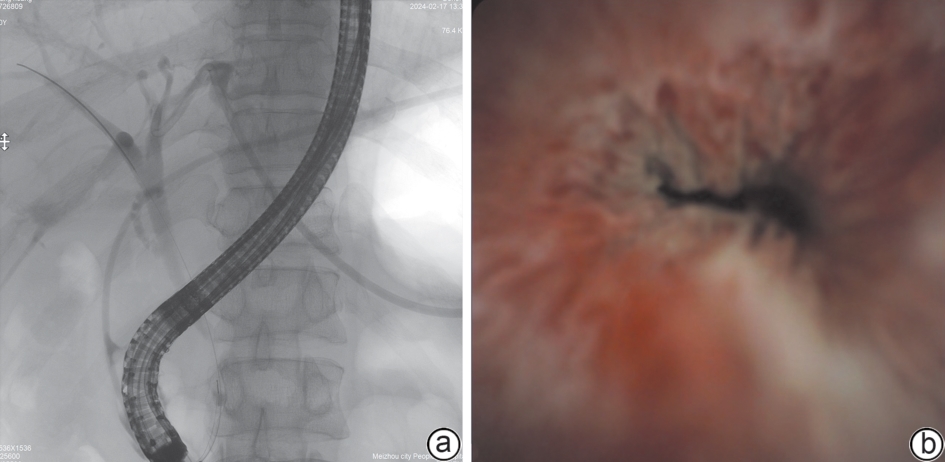
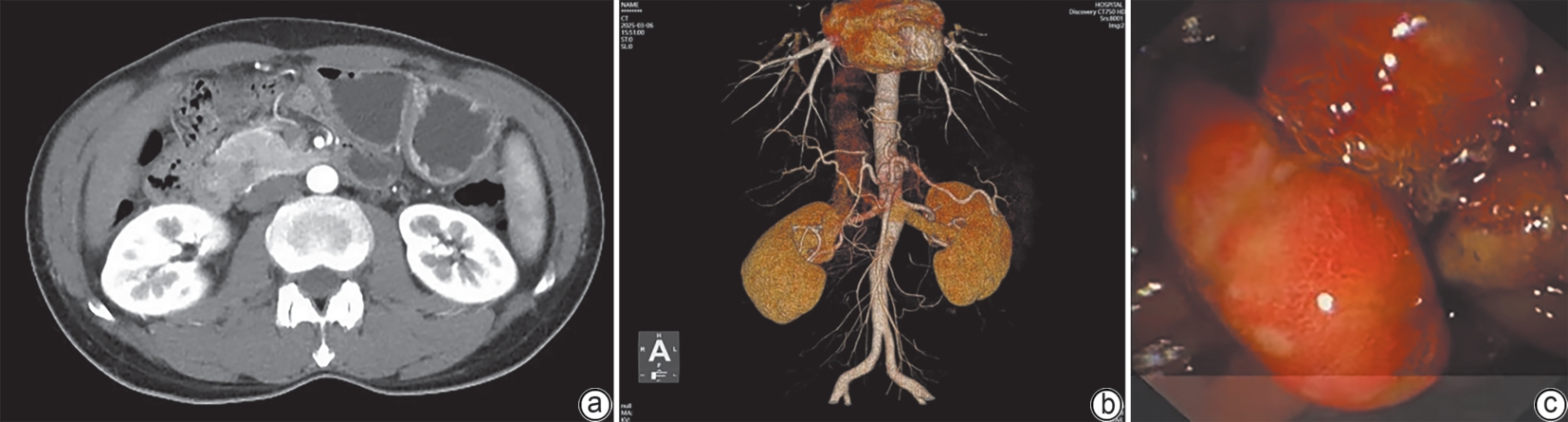
Periampullary carcinoma is a malignant tumor of the biliopancreatic system originating from the ampulla of Vater, with the main pathological subtypes of intestinal-type and pancreatobiliary-type adenocarcinoma. Primary periampullary squamous cell carcinoma is relatively rare in clinical practice, with great difficulties in preoperative diagnosis and a lack of clinical experience and standardized diagnosis and treatment regimens. This article reports a case of primary periampullary squamous cell carcinoma in a male patient aged 55 years. The patient was admitted due to cutaneous and scleral jaundice for 2 weeks. Laboratory examination revealed obstructive jaundice, impaired liver function, and an increase in carbohydrate antigen 19-9, and radiological examination showed obstruction of the distal common bile duct and a space-occupying lesion in the ampullary region, leading to a preliminary clinical diagnosis of periampullary carcinoma of Vater. After admission, endoscopic retrograde cholangiopancreatography was first performed to relieve obstructive jaundice, and then biopsy of the ampullary lesion was conducted, with pathological findings highly suspicious for malignancy. Radical pancreaticoduodenectomy was performed after improvement in liver function, and postoperative pathology confirmed the diagnosis of moderately differentiated squamous cell carcinoma of the ampulla. PET-CT reexamination on day 52 after surgery showed well-healed surgical anastomosis and multiple hypermetabolic nodules in the right hepatic lobe, which could not rule out tumor metastasis. This case report can provide a reference for improving awareness of this rare disease and optimizing related diagnosis and treatment decisions in clinical practice.
Periampullary carcinoma is a malignant tumor of the biliopancreatic system originating from the ampulla of Vater, with the main pathological subtypes of intestinal-type and pancreatobiliary-type adenocarcinoma. Primary periampullary squamous cell carcinoma is relatively rare in clinical practice, with great difficulties in preoperative diagnosis and a lack of clinical experience and standardized diagnosis and treatment regimens. This article reports a case of primary periampullary squamous cell carcinoma in a male patient aged 55 years. The patient was admitted due to cutaneous and scleral jaundice for 2 weeks. Laboratory examination revealed obstructive jaundice, impaired liver function, and an increase in carbohydrate antigen 19-9, and radiological examination showed obstruction of the distal common bile duct and a space-occupying lesion in the ampullary region, leading to a preliminary clinical diagnosis of periampullary carcinoma of Vater. After admission, endoscopic retrograde cholangiopancreatography was first performed to relieve obstructive jaundice, and then biopsy of the ampullary lesion was conducted, with pathological findings highly suspicious for malignancy. Radical pancreaticoduodenectomy was performed after improvement in liver function, and postoperative pathology confirmed the diagnosis of moderately differentiated squamous cell carcinoma of the ampulla. PET-CT reexamination on day 52 after surgery showed well-healed surgical anastomosis and multiple hypermetabolic nodules in the right hepatic lobe, which could not rule out tumor metastasis. This case report can provide a reference for improving awareness of this rare disease and optimizing related diagnosis and treatment decisions in clinical practice.

2026, 42(8): 1933-1938.
DOI: 10.12449/JCH260828
Abstract:
Metabolic dysfunction-associated fatty liver disease (MAFLD) has become the most common chronic liver disease worldwide. Its pathological process is centered on the “two-hit” theory, with gut-liver axis dysregulation running through the entire disease course from steatosis to liver cirrhosis and even hepatocellular carcinoma, and it forms an extensive cross-system regulatory mechanism with the metabolic, cardiovascular, renal, and psychological and nervous systems through multi-dimensional pathways such as the “gut-liver-brain axis”, the “liver-kidney axis”, and the “liver-heart axis”. Disease progression is not limited to the liver itself, and it also involves functional imbalance of multiple organ systems throughout the body. This article systematically elaborates on the association mechanism of “liver pathological progression-multi-axis regulation-comorbidity occurrence” in MAFLD, proposes synergistic management strategies integrating early screening based on risk stratification, targeted intervention, and multidisciplinary diagnosis and treatment, and analyzes the limitations of current research and future development directions, in order to provide a theoretical basis and practical guidance for precise diagnosis and treatment and individualized management of MAFLD.
Metabolic dysfunction-associated fatty liver disease (MAFLD) has become the most common chronic liver disease worldwide. Its pathological process is centered on the “two-hit” theory, with gut-liver axis dysregulation running through the entire disease course from steatosis to liver cirrhosis and even hepatocellular carcinoma, and it forms an extensive cross-system regulatory mechanism with the metabolic, cardiovascular, renal, and psychological and nervous systems through multi-dimensional pathways such as the “gut-liver-brain axis”, the “liver-kidney axis”, and the “liver-heart axis”. Disease progression is not limited to the liver itself, and it also involves functional imbalance of multiple organ systems throughout the body. This article systematically elaborates on the association mechanism of “liver pathological progression-multi-axis regulation-comorbidity occurrence” in MAFLD, proposes synergistic management strategies integrating early screening based on risk stratification, targeted intervention, and multidisciplinary diagnosis and treatment, and analyzes the limitations of current research and future development directions, in order to provide a theoretical basis and practical guidance for precise diagnosis and treatment and individualized management of MAFLD.
2026, 42(8): 1939-1945.
DOI: 10.12449/JCH260829
Abstract:
Metabolic dysfunction-associated fatty liver disease (MAFLD) is a chronic liver disease with a persistently high prevalence rate worldwide. Its pathogenesis involves metabolic disorders in multiple systems, and there is still a lack of a complete theoretical regulatory framework. Lactate was once regarded as a terminal metabolic waste product of the glycolytic pathway; however, studies in recent years have been exploring its biological functions as a key signaling molecule, and the close association between dysregulated lactate metabolism and the development and progression of MAFLD has gradually become a research hotspot in the field of metabolic liver diseases. This article systematically introduces the core pathways and regulatory patterns of lactate metabolism, elaborates on the overall functional characteristics of lactate in the development and progression of MAFLD, and reviews the molecular mechanisms by which lactate mediates hepatic lipid metabolism disorders and drives inflammatory cascades through epigenetic regulatory mechanisms such as protein lactylation. In addition, it briefly describes the potential effect of lactate in modulating liver metabolic homeostasis via the gut-liver axis and summarizes the latest research advances in lactate metabolism and MAFLD. This article highlights that targeting lactate metabolic pathways is a critical entry point for deepening the understanding of the pathophysiological mechanisms of MAFLD, and it points out that non-canonical regulatory modes represented by lactylation are key breakthrough directions for future research. It also proposes that developing early diagnostic biomarkers and intervention targets for MAFLD based on the lactate metabolic network holds important theoretical value and clinical translation potential.
Metabolic dysfunction-associated fatty liver disease (MAFLD) is a chronic liver disease with a persistently high prevalence rate worldwide. Its pathogenesis involves metabolic disorders in multiple systems, and there is still a lack of a complete theoretical regulatory framework. Lactate was once regarded as a terminal metabolic waste product of the glycolytic pathway; however, studies in recent years have been exploring its biological functions as a key signaling molecule, and the close association between dysregulated lactate metabolism and the development and progression of MAFLD has gradually become a research hotspot in the field of metabolic liver diseases. This article systematically introduces the core pathways and regulatory patterns of lactate metabolism, elaborates on the overall functional characteristics of lactate in the development and progression of MAFLD, and reviews the molecular mechanisms by which lactate mediates hepatic lipid metabolism disorders and drives inflammatory cascades through epigenetic regulatory mechanisms such as protein lactylation. In addition, it briefly describes the potential effect of lactate in modulating liver metabolic homeostasis via the gut-liver axis and summarizes the latest research advances in lactate metabolism and MAFLD. This article highlights that targeting lactate metabolic pathways is a critical entry point for deepening the understanding of the pathophysiological mechanisms of MAFLD, and it points out that non-canonical regulatory modes represented by lactylation are key breakthrough directions for future research. It also proposes that developing early diagnostic biomarkers and intervention targets for MAFLD based on the lactate metabolic network holds important theoretical value and clinical translation potential.
2026, 42(8): 1946-1951.
DOI: 10.12449/JCH260830
Abstract:
Metabolic dysfunction-associated fatty liver disease (MAFLD) is the most common chronic liver disease, and it has become a major global health issue. Excessive lipid accumulation in the liver is the core pathological event of MAFLD, which triggers lipotoxicity and leads to cell apoptosis, necrosis, and inflammatory cascades by mediating endoplasmic reticulum stress, oxidative stress, organelle dysfunction, and ferroptosis, thereby promoting the progression of simple hepatic steatosis to steatohepatitis and fibrosis. In this process, very-long-chain fatty acids (VLCFAs), as essential components of cell membranes and lipid metabolism, have attracted increasing attention for their role in lipotoxicity mechanisms. This article reviews the role of VLCFAs in lipid metabolism processes and lipotoxicity mechanisms, focusing on how VLCFAs participate in metabolic regulation through key proteins and disrupt cell membranes to induce oxidative stress, and how their metabolites and derivatives drive inflammatory responses, ultimately promoting the progression of MAFLD.
Metabolic dysfunction-associated fatty liver disease (MAFLD) is the most common chronic liver disease, and it has become a major global health issue. Excessive lipid accumulation in the liver is the core pathological event of MAFLD, which triggers lipotoxicity and leads to cell apoptosis, necrosis, and inflammatory cascades by mediating endoplasmic reticulum stress, oxidative stress, organelle dysfunction, and ferroptosis, thereby promoting the progression of simple hepatic steatosis to steatohepatitis and fibrosis. In this process, very-long-chain fatty acids (VLCFAs), as essential components of cell membranes and lipid metabolism, have attracted increasing attention for their role in lipotoxicity mechanisms. This article reviews the role of VLCFAs in lipid metabolism processes and lipotoxicity mechanisms, focusing on how VLCFAs participate in metabolic regulation through key proteins and disrupt cell membranes to induce oxidative stress, and how their metabolites and derivatives drive inflammatory responses, ultimately promoting the progression of MAFLD.
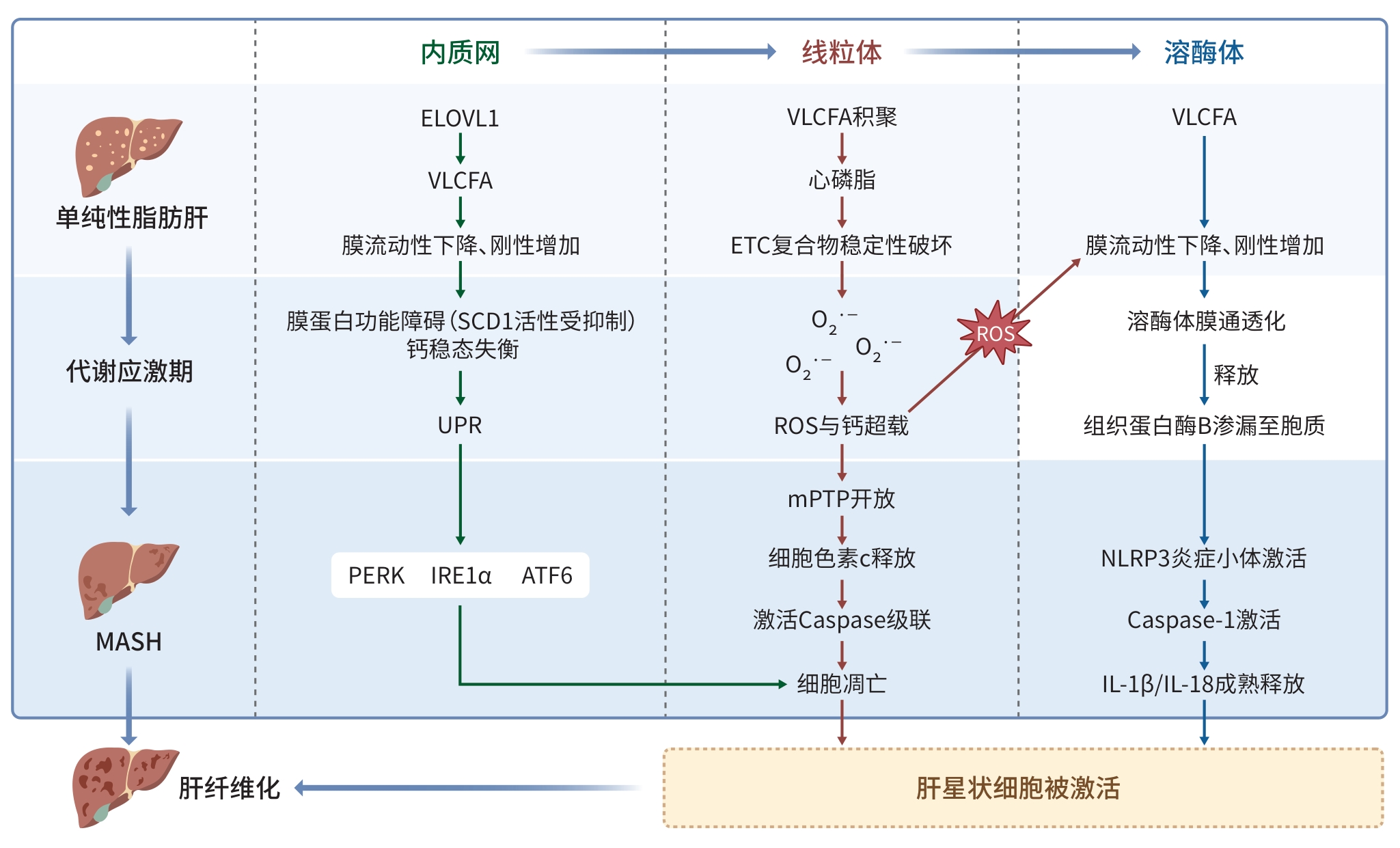
2026, 42(8): 1952-1959.
DOI: 10.12449/JCH260831
Abstract:
Metabolic dysfunction-associated fatty liver disease (MAFLD) is a chronic liver condition closely associated with dysregulated lipid metabolism, with the central pathological event of mitochondrial dysfunction in hepatocytes. The mitochondrial calcium uniporter (MCU) complex is a key molecular apparatus regulating mitochondrial calcium (mtCa2+) homeostasis, and mtCa2+ overload due to its dysfunction plays a critical role in the progression of MAFLD. This article systematically elaborates on the pathogenesis of MAFLD, with a particular focus on how the central signaling axis of “MCU complex dysfunction-mtCa2+ overload” drives the disease progression of MAFLD by disrupting energy metabolism, activating the adenosine monophosphate-activated protein kinase signaling pathway, triggering the NOD-like receptor protein 3 inflammasome, and inducing cell death. It also points out that traditional Chinese medicine can exert an interventional effect on multiple downstream pathways through various targets and has shown unique advantages and a significant potential in alleviating MAFLD by maintaining mitochondrial homeostasis and targeting the MCU complex, and therefore, it is expected to provide new strategies for the prevention and treatment of MAFLD.
Metabolic dysfunction-associated fatty liver disease (MAFLD) is a chronic liver condition closely associated with dysregulated lipid metabolism, with the central pathological event of mitochondrial dysfunction in hepatocytes. The mitochondrial calcium uniporter (MCU) complex is a key molecular apparatus regulating mitochondrial calcium (mtCa2+) homeostasis, and mtCa2+ overload due to its dysfunction plays a critical role in the progression of MAFLD. This article systematically elaborates on the pathogenesis of MAFLD, with a particular focus on how the central signaling axis of “MCU complex dysfunction-mtCa2+ overload” drives the disease progression of MAFLD by disrupting energy metabolism, activating the adenosine monophosphate-activated protein kinase signaling pathway, triggering the NOD-like receptor protein 3 inflammasome, and inducing cell death. It also points out that traditional Chinese medicine can exert an interventional effect on multiple downstream pathways through various targets and has shown unique advantages and a significant potential in alleviating MAFLD by maintaining mitochondrial homeostasis and targeting the MCU complex, and therefore, it is expected to provide new strategies for the prevention and treatment of MAFLD.
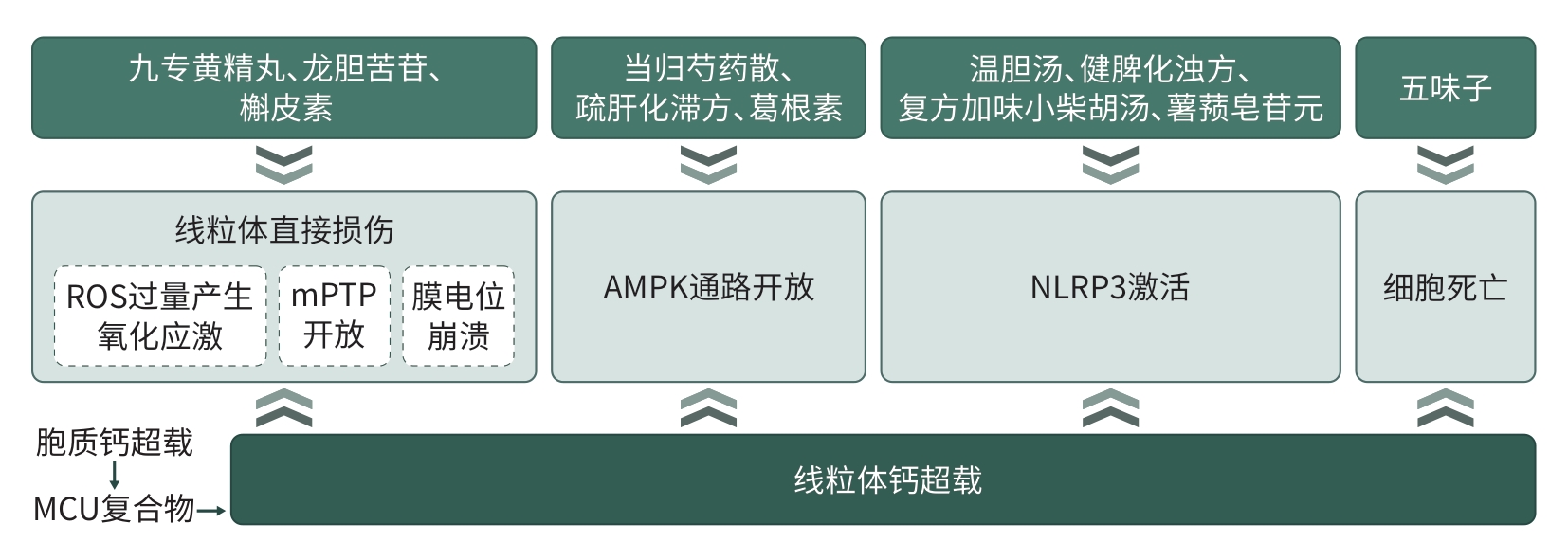
2026, 42(8): 1960-1966.
DOI: 10.12449/JCH260832
Abstract:
Metabolic dysfunction-associated fatty liver disease (MAFLD) is the most prevalent chronic liver disease worldwide, with a complex pathogenesis. Mitochondria play a pivotal role in this disease process, and studies have confirmed that mitochondrial dysfunction can exacerbate metabolic disorders and induce innate immune imbalance, while mitochondrial DNA (mtDNA) is the core molecule mediating these two pathological effects. After the abnormal release of mtDNA, it can be recognized by intracellular pattern recognition receptors, which in turn triggers innate immune responses and causes tissue damage, forming a pathological pathway of “mtDNA release-immune activation-tissue damage”. Currently, there is a lack of systematic reviews summarizing the mechanism of action of this pathway in different stages of MAFLD and the intervention strategies targeting this pathway. This article systematically reviews the core molecular mechanism of this pathway, its pathological role in the development and progression of MAFLD, and the current intervention strategies targeting this mechanism, in order to provide a theoretical basis for analyzing the pathogenesis of MAFLD and developing novel therapeutic strategies.
Metabolic dysfunction-associated fatty liver disease (MAFLD) is the most prevalent chronic liver disease worldwide, with a complex pathogenesis. Mitochondria play a pivotal role in this disease process, and studies have confirmed that mitochondrial dysfunction can exacerbate metabolic disorders and induce innate immune imbalance, while mitochondrial DNA (mtDNA) is the core molecule mediating these two pathological effects. After the abnormal release of mtDNA, it can be recognized by intracellular pattern recognition receptors, which in turn triggers innate immune responses and causes tissue damage, forming a pathological pathway of “mtDNA release-immune activation-tissue damage”. Currently, there is a lack of systematic reviews summarizing the mechanism of action of this pathway in different stages of MAFLD and the intervention strategies targeting this pathway. This article systematically reviews the core molecular mechanism of this pathway, its pathological role in the development and progression of MAFLD, and the current intervention strategies targeting this mechanism, in order to provide a theoretical basis for analyzing the pathogenesis of MAFLD and developing novel therapeutic strategies.
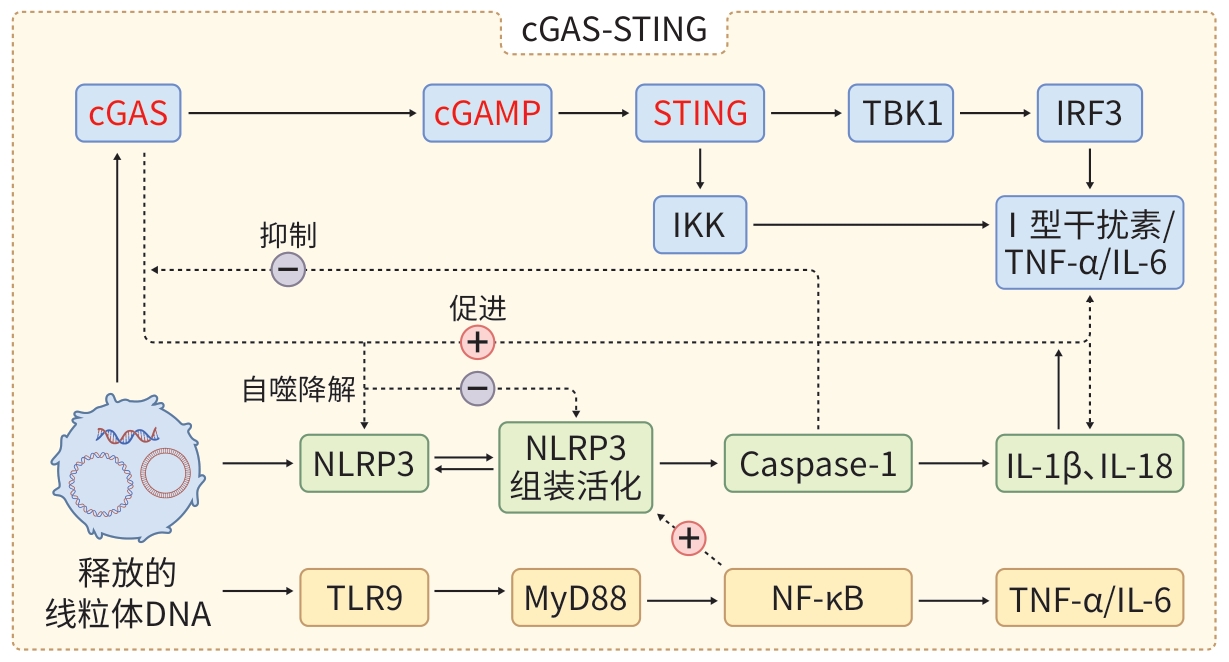
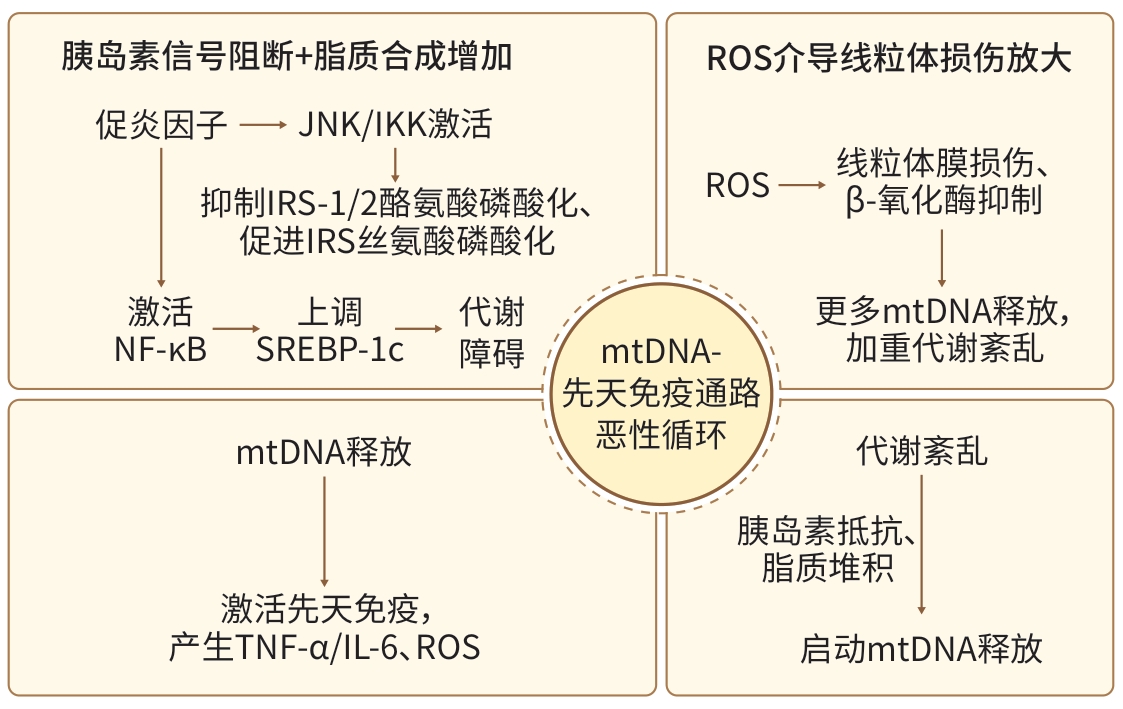
2026, 42(8): 1967-1973.
DOI: 10.12449/JCH260833
Abstract:
Metabolic dysfunction-associated fatty liver disease (MAFLD) progresses to metabolic dysfunction-associated steatohepatitis (MASH) due to mitochondrial homeostasis imbalance and dysfunction in hepatocytes caused by various factors such as lipotoxicity and inflammatory infiltration. Recent studies have confirmed that mitochondrial injury is closely associated with chronic inflammation, with extracellular vesicle (EV) acting as a key mediator linking the two processes. This article systematically reviews the molecular mechanisms of hepatocyte mitochondrial dysfunction in MAFLD/MASH, highlights the regulatory role of hepatocyte-derived EV in intrahepatic inflammation, and discusses the potential application prospects of mitochondria-targeted therapies and intercellular communication interventions in MAFLD/MASH, in order to provide a theoretical basis for developing novel therapeutic strategies for these diseases.
Metabolic dysfunction-associated fatty liver disease (MAFLD) progresses to metabolic dysfunction-associated steatohepatitis (MASH) due to mitochondrial homeostasis imbalance and dysfunction in hepatocytes caused by various factors such as lipotoxicity and inflammatory infiltration. Recent studies have confirmed that mitochondrial injury is closely associated with chronic inflammation, with extracellular vesicle (EV) acting as a key mediator linking the two processes. This article systematically reviews the molecular mechanisms of hepatocyte mitochondrial dysfunction in MAFLD/MASH, highlights the regulatory role of hepatocyte-derived EV in intrahepatic inflammation, and discusses the potential application prospects of mitochondria-targeted therapies and intercellular communication interventions in MAFLD/MASH, in order to provide a theoretical basis for developing novel therapeutic strategies for these diseases.
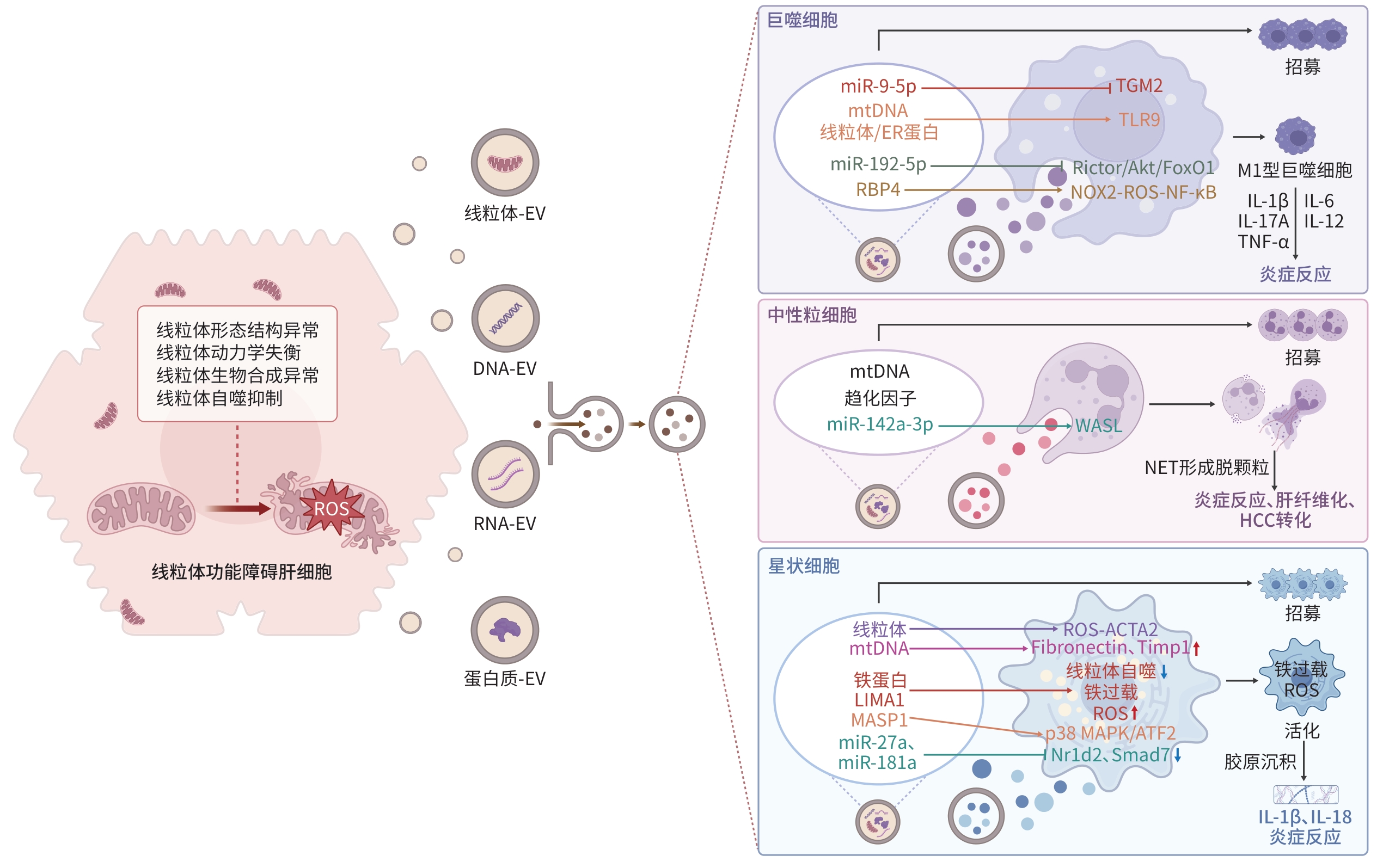
2026, 42(8): 1974-1979.
DOI: 10.12449/JCH260834
Abstract:
Patients with craniopharyngioma are at a high risk of developing metabolic dysfunction-associated fatty liver disease and its severe complications, yet this association is often neglected in clinical practice, with a lack of systematic reviews. This article systematically reviews the clinical spectrum and epidemiological characteristics of liver diseases associated with craniopharyngioma, with a focus on their core pathogenic mechanisms, and it also summarizes current tumor treatment strategies aimed at preventing hypothalamic injury and highlights that establishing a multidisciplinary collaborative diagnosis and treatment model and implementing early intervention are key to improving prognosis. Future research should focus on elucidating the precise pathways through which hypothalamic injury leads to metabolic disturbances, thereby facilitating the development of targeted therapies, in order to provide new directions for fundamentally improving the clinical outcomes of these patients.
Patients with craniopharyngioma are at a high risk of developing metabolic dysfunction-associated fatty liver disease and its severe complications, yet this association is often neglected in clinical practice, with a lack of systematic reviews. This article systematically reviews the clinical spectrum and epidemiological characteristics of liver diseases associated with craniopharyngioma, with a focus on their core pathogenic mechanisms, and it also summarizes current tumor treatment strategies aimed at preventing hypothalamic injury and highlights that establishing a multidisciplinary collaborative diagnosis and treatment model and implementing early intervention are key to improving prognosis. Future research should focus on elucidating the precise pathways through which hypothalamic injury leads to metabolic disturbances, thereby facilitating the development of targeted therapies, in order to provide new directions for fundamentally improving the clinical outcomes of these patients.
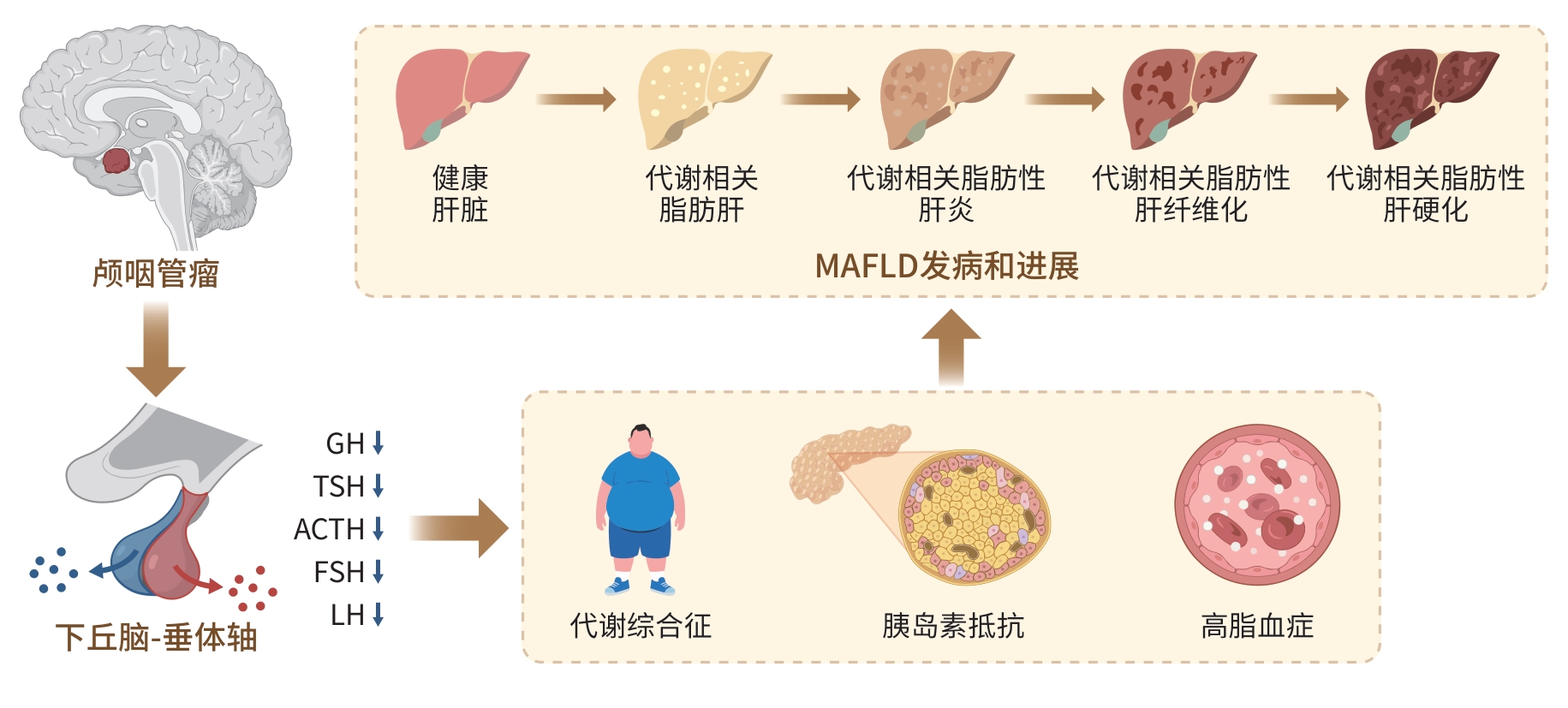
2026, 42(8): 1980-1984.
DOI: 10.12449/JCH260835
Abstract:
Liver fibrosis is a key pathological process in the transition from chronic liver disease to cirrhosis, especially in elderly patients with chronic hepatitis B, and this process is characterized by rapid progression and poor prognosis. T cell function gradually declines with aging, and T cell senescence is recognized as a key immunological mechanism accelerating the progression of liver fibrosis. Current studies have shown that senescent T cells promote the transition from liver fibrosis to liver cirrhosis by altering the liver inflammatory microenvironment, modulating the activity of fibrosis-related cells, and impairing immune surveillance function. This article systematically reviews the molecular mechanisms of T cell senescence and its role in the progression of liver fibrosis in elderly patients with chronic hepatitis B, as well as novel therapeutic approaches targeting immunosenescence with reference to the latest immunological findings and stem cell-based therapeutic strategies, so as to provide theoretical support for precise intervention for such patients.
Liver fibrosis is a key pathological process in the transition from chronic liver disease to cirrhosis, especially in elderly patients with chronic hepatitis B, and this process is characterized by rapid progression and poor prognosis. T cell function gradually declines with aging, and T cell senescence is recognized as a key immunological mechanism accelerating the progression of liver fibrosis. Current studies have shown that senescent T cells promote the transition from liver fibrosis to liver cirrhosis by altering the liver inflammatory microenvironment, modulating the activity of fibrosis-related cells, and impairing immune surveillance function. This article systematically reviews the molecular mechanisms of T cell senescence and its role in the progression of liver fibrosis in elderly patients with chronic hepatitis B, as well as novel therapeutic approaches targeting immunosenescence with reference to the latest immunological findings and stem cell-based therapeutic strategies, so as to provide theoretical support for precise intervention for such patients.
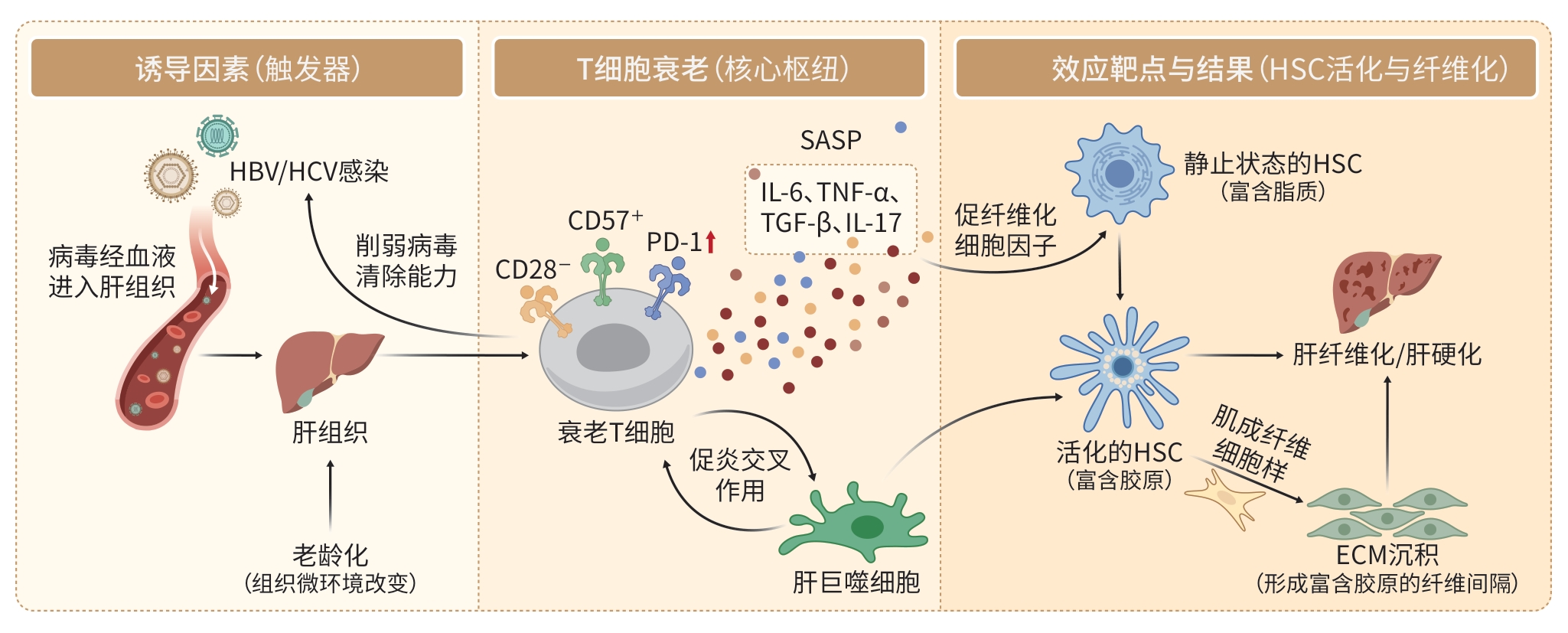
2026, 42(8): 1985-1989.
DOI: 10.12449/JCH260836
Abstract:
Liver injury due to acetaminophen overdose is one of the main causes of acute liver failure, with a complex pathogenesis. In this process, liver sinusoidal endothelial cell (LSEC) injury is a key early event jointly mediated by factors such as oxidative stress, cell apoptosis, and imbalance between fibrinolysis and coagulation. Subsequent LSEC dysfunction further induces sinusoidal microcirculatory disturbances, amplifies the inflammatory response, impairs the regeneration and repair abilities of the liver, and finally causes hepatocyte necrosis. This article systematically elaborates on the critical role and molecular mechanism of LSEC in acetaminophen-induced liver injury, in order to provide a theoretical basis for novel therapeutic strategies and research directions.
Liver injury due to acetaminophen overdose is one of the main causes of acute liver failure, with a complex pathogenesis. In this process, liver sinusoidal endothelial cell (LSEC) injury is a key early event jointly mediated by factors such as oxidative stress, cell apoptosis, and imbalance between fibrinolysis and coagulation. Subsequent LSEC dysfunction further induces sinusoidal microcirculatory disturbances, amplifies the inflammatory response, impairs the regeneration and repair abilities of the liver, and finally causes hepatocyte necrosis. This article systematically elaborates on the critical role and molecular mechanism of LSEC in acetaminophen-induced liver injury, in order to provide a theoretical basis for novel therapeutic strategies and research directions.
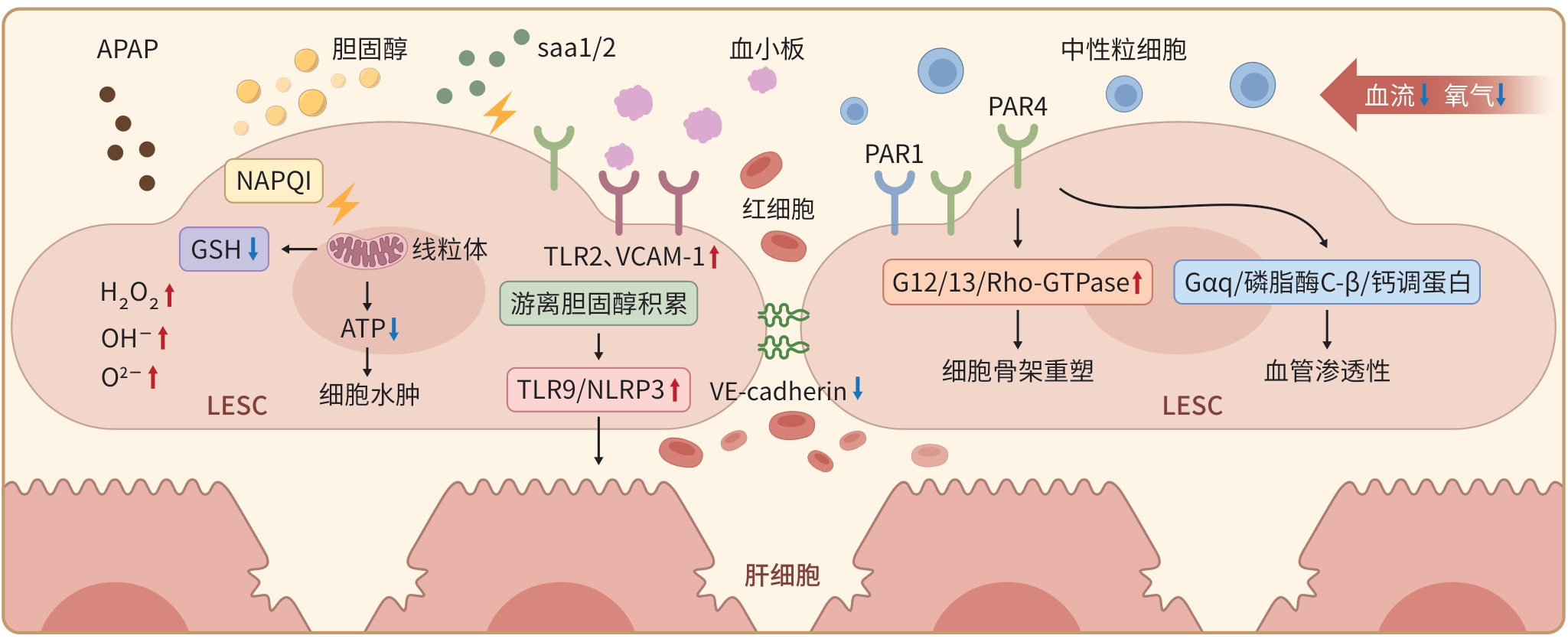
2026, 42(8): 1990-1995.
DOI: 10.12449/JCH260837
Abstract:
The pathogenesis of idiosyncratic drug-induced liver injury (IDILI) remains unclear due to the rarity and unpredictability of IDILI and a lack of effective in vitro and in vivo models. Recent studies have shown that human leukocyte antigen (HLA) gene polymorphisms are significantly associated with the susceptibility to IDILI induced by various drugs. This article systematically reviews the latest research advances in HLA gene testing for IDILI, with a focus on the association between specific HLA gene loci and genetic susceptibility to drug-induced liver injury caused by commonly used drugs, in order to highlight the significance of HLA gene testing in IDILI screening.
The pathogenesis of idiosyncratic drug-induced liver injury (IDILI) remains unclear due to the rarity and unpredictability of IDILI and a lack of effective in vitro and in vivo models. Recent studies have shown that human leukocyte antigen (HLA) gene polymorphisms are significantly associated with the susceptibility to IDILI induced by various drugs. This article systematically reviews the latest research advances in HLA gene testing for IDILI, with a focus on the association between specific HLA gene loci and genetic susceptibility to drug-induced liver injury caused by commonly used drugs, in order to highlight the significance of HLA gene testing in IDILI screening.
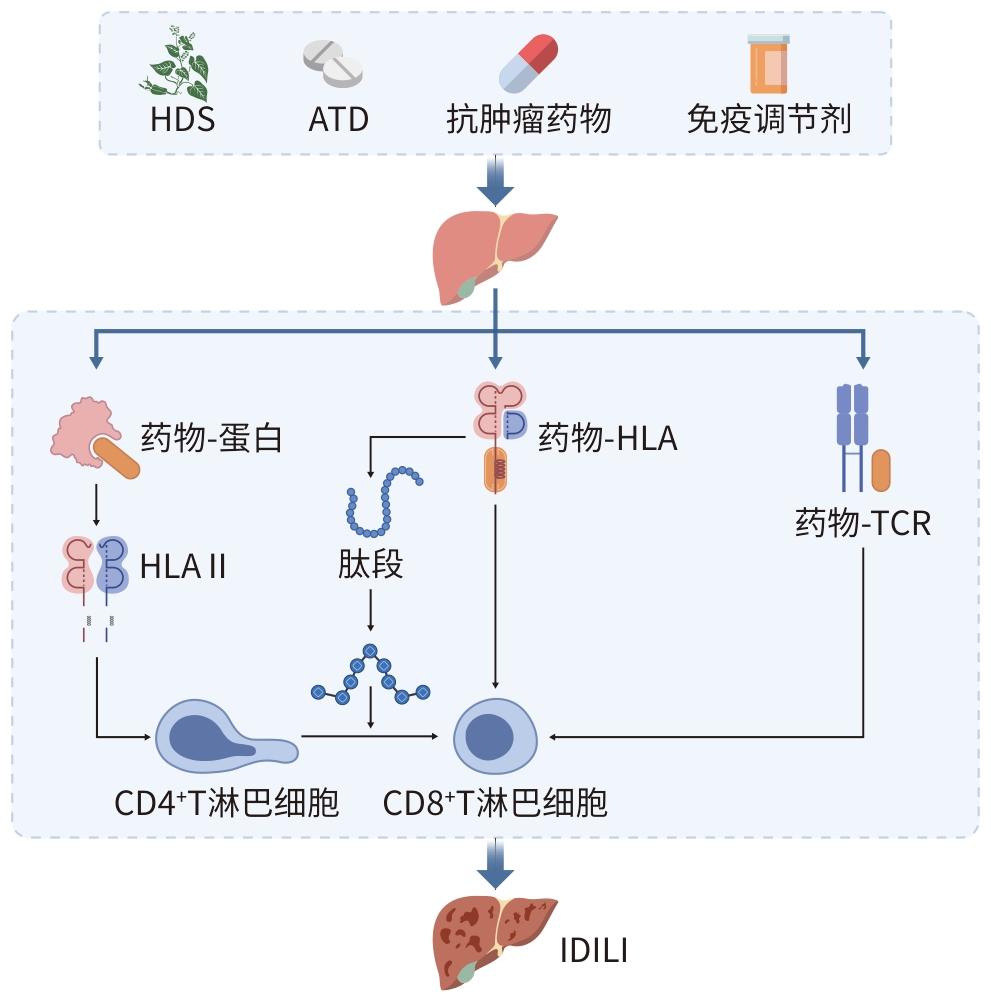
2026, 42(8): 1996-2000.
DOI: 10.12449/JCH260838
Abstract:
Mild cognitive impairment (MCI) is a critical precursor stage of Alzheimer’s disease, and the development of MCI is closely associated with liver function. As a core metabolic organ, the liver regulates cognitive function through the liver-brain axis. Epidemiological studies have shown the association between liver function parameters and MCI. The liver affects cognitive function by clearing peripheral β-amyloid (mainly via the PPARα-LRP-1 pathway), secreting hepatic factors such as FGF21 and sEH to modulate neuronal energy metabolism, and mediating oxidative stress and systemic inflammatory responses. Anti-inflammatory/antioxidant measures, dietary pattern adjustments, and aerobic exercise are currently effective strategies for regulating liver function and mitigating mild cognitive impairment. This article systematically reviews the role and mechanism of the liver-brain axis in MCI, in order to provide new perspectives for developing liver-targeted therapies for cognitive impairment.
Mild cognitive impairment (MCI) is a critical precursor stage of Alzheimer’s disease, and the development of MCI is closely associated with liver function. As a core metabolic organ, the liver regulates cognitive function through the liver-brain axis. Epidemiological studies have shown the association between liver function parameters and MCI. The liver affects cognitive function by clearing peripheral β-amyloid (mainly via the PPARα-LRP-1 pathway), secreting hepatic factors such as FGF21 and sEH to modulate neuronal energy metabolism, and mediating oxidative stress and systemic inflammatory responses. Anti-inflammatory/antioxidant measures, dietary pattern adjustments, and aerobic exercise are currently effective strategies for regulating liver function and mitigating mild cognitive impairment. This article systematically reviews the role and mechanism of the liver-brain axis in MCI, in order to provide new perspectives for developing liver-targeted therapies for cognitive impairment.
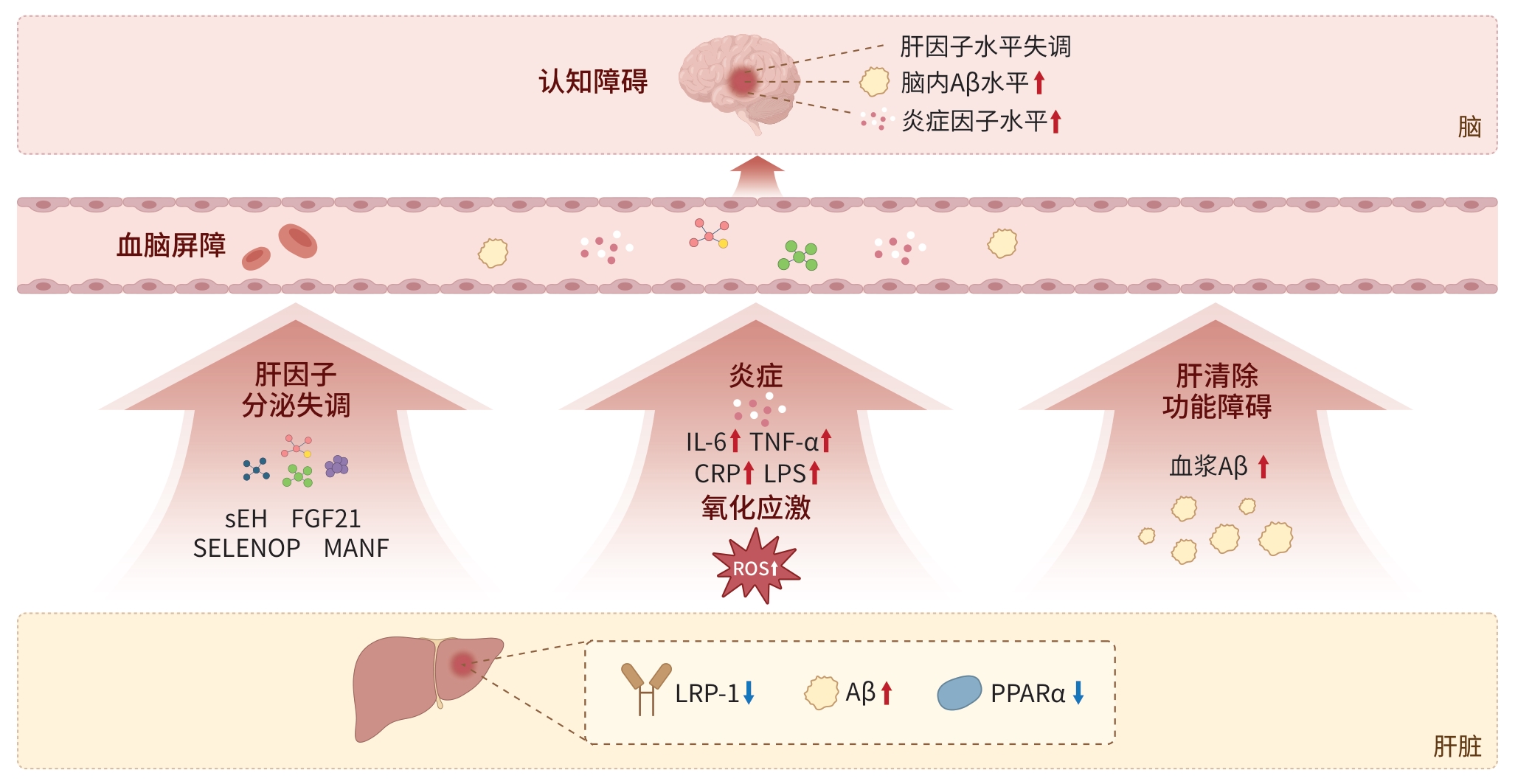
2026, 42(8): 1765-1765.
DOI: 10.12449/JCH2608.gwqkjpwzjj1
Abstract:
2026, 42(8): 1887-1887.
DOI: 10.12449/JCH2608.gwqkjpwzjj4
Abstract:
2026, 42(8): 1729-1729.
DOI: 10.12449/JCH2608.zhixie
Abstract:
2015, 31(12): 1941-1960.
doi: 10.3969/j.issn.1001-5256.2015.12.002
Abstract:
2019, 35(12): 2706-2711.
doi: 10.3969/j.issn.1001-5256.2019.12.013
Abstract:
2011, 27(1): 113-128.
Abstract:
2011, 27(1): 110-112.
Abstract:
2018, 34(10): 2109-2120.
doi: 10.3969/j.issn.1001-5256.2018.10.011
Abstract:
2015, 31(12): 1980-1988.
doi: 10.3969/j.issn.1001-5256.2015.12.004
Abstract:
2017, 33(8): 1419-1431.
doi: 10.3969/j.issn.1001-5256.2017.08.003
Abstract:
2016, 32(1): 9-22.
doi: 10.3969/j.issn.1001-5256.2016.01.002
Abstract:
2019, 35(12): 2648-2669.
doi: 10.3969/j.issn.1001-5256.2019.12.007
Abstract:
Top View Top DownloadMore>
- 1Current situation in the research of Gilbert’s syndrome
- 2Review of acute pancreatitis scoring systems
- 3Clinical value of 13C-methacetin breath test for assessing liver function in patients with cirrhosis
- 4Studies on relevant gactors of Child-Pugh grading in hepatic cirrhosis
- 5Meta-analysis of 111 patients with nonalcoholic steatohepatitis-associated hepatocellular carcinoma
- 6Congenital bile acid synthesis defect and cholestatic liver disease
- 7Relationship between Epstein-Barr virus infection and hepatic lesions in children
- 8Research state and prospect of hyponatremia in cirrhosis
- 9Interventional treatment for Budd-Chiari syndrome:reports of 883 cases
- 10
- 1The guideline of prevention and treatment for chronic hepatitis B: a 2015 update
- 2Chinese guidelines for the management of acute pancreatitis ( Shenyang , 2019 )
- 3The guideline of prevention and treatment for chronic hepatitis B(2010 version)
- 4Current situation in the research of Gilbert’s syndrome
- 5
- 6Comprehensive guidelines for the diagnosis and treatment of pancreatic cancer (2018 version)
- 7Consensus on the diagnosis and management of primary biliary cirrhosis (cholangitis)(2015)
- 8Diagnosis, management, and treatment of hepatocellular carcinoma (V2017)
- 9Consensus on the diagnosis and management of autoimmune hepatitis(2015)
- 10Guidelines for the prevention and treatment of chronic hepatitis B (version 2019)


International Database
-
 nbsp;
nbsp; -
 荷兰《医学文摘(网络版)》(Embase)(2023—)
 -
 荷兰《文摘与引文索引》(Scopus)(2021—)
 -
 美国《生命科学引文索引》(BIOSIS Citation Index)(2025—)
美国《生命科学信息预览》(BIOSIS Previews)(2025—)
美国《生命科学文摘》(Biological Abstracts)(2025—) -
 美国《ProQuest健康与医学资源全文数据库》
 -
 美国《化学文摘(网络版)》(CA)来源期刊(2011—)
 -
 瑞士《健康网络首创研究获取》(HINARI)来源期刊(1985—)
 -
 美国《艾博思科数据库》(Eh,EBSCOhost)来源期刊(2013—)
 -
 英国《国际农业与生物科学研究中心》(CABI)来源期刊(2011—)
 -
 ISSN国际中心《开放学术资源库》(ROAD)(2023—)
 -
 世界卫生组织《西太平洋地区医学索引(WPRIM)》来源期刊(2016—)
 -
 印度《J-Gate全球电子期刊获取门户》(J-Gate)(2026—)
 -
 《日本科学技术振兴机构数据库(中国)》(JSTChina)来源期刊(2018—)
 -
 俄罗斯《文摘杂志》(AJ,VINITI)来源期刊(2013—)
 -
 美国《乌利希期刊指南(网络版)》(Ulrichsweb)注册期刊(2018—)
 -
 英国《欧洲学术出版中心数据库》(EuroPub)来源期刊(2024—)
 -
 波兰《哥白尼索引》(ICI)来源期刊(2011—)


