中文English
ISSN 1001-5256 (Print)
ISSN 2097-3497 (Online)
CN 22-1108/R
Volume 42 Issue 5
May  2026
Turn off MathJax
Article Contents

Value of metabolic markers combined with anthropometric indicators in predicting and risk stratification of metabolic dysfunction-associated fatty liver disease and establishment of a nomogram model

DOI: 10.12449/JCH260510
Research funding:

National Natural Science Foundation of China (82360132);

Gansu Provincial Key R&D Program (22YF7FA085);

Gansu Provincial Joint Research Fund (23JRRA1489);

Gansu Provincial Key Project on Traditional Chinese Medicine (GZKZ-2022-7);

Gansu Provincial Key Talent Program (Gan Zu Tong Zi[2024]No.4);

Lanzhou University The First Hospital Internal Fund (ldyyyn2020-02);

Lanzhou University The First Hospital Internal Fund (ldyyyn2020-14);

Beijing iGandan Foundation Artificial Liver Special Fund (iGandanF-1082024-RGG130)

More Information
  • Corresponding author: LI Junfeng, junfenglee@126.com (ORCID: 0000-0002-5638-706X); ZHANG Liting, lcheneye@163.com (ORCID: 0009-0005-1259-5747)
  • Received Date: 2025-11-21
  • Accepted Date: 2026-02-24
  • Published Date: 2026-05-25
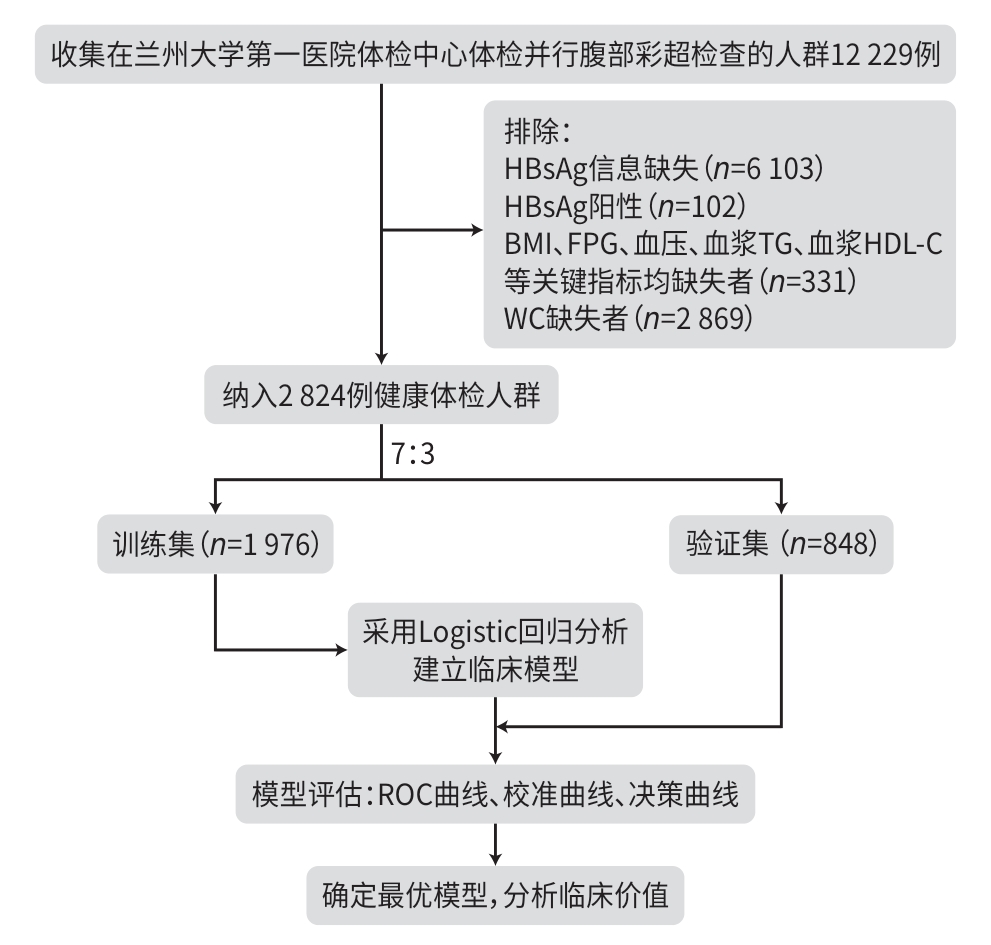
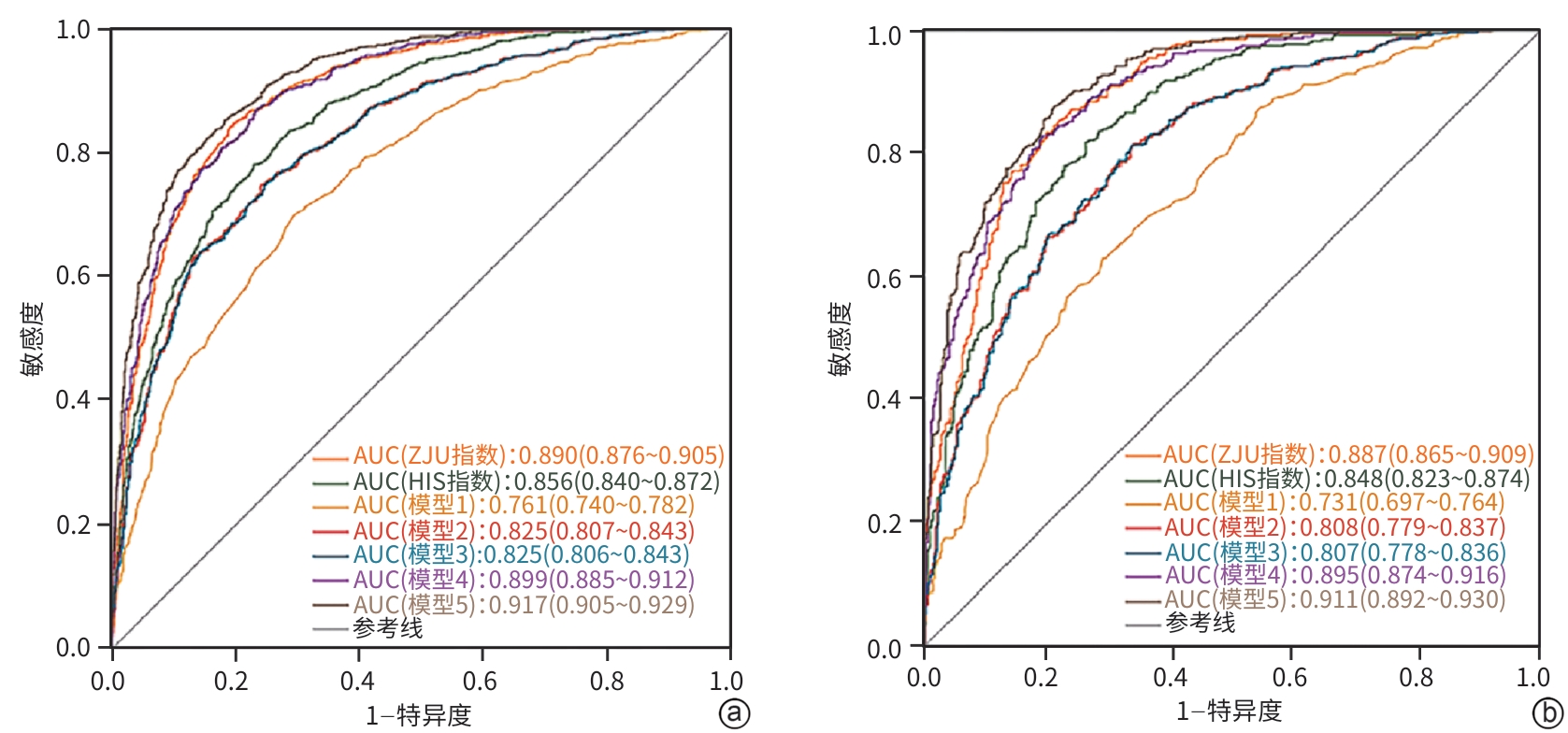
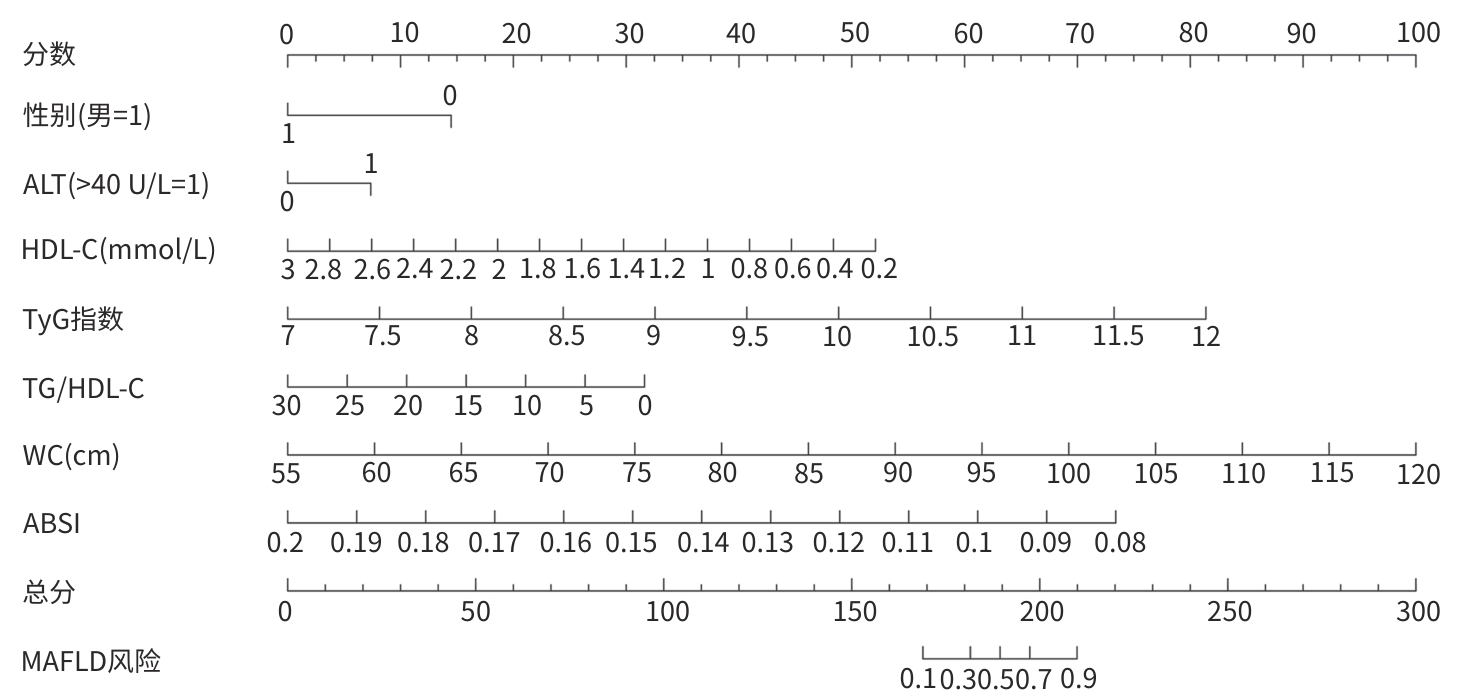
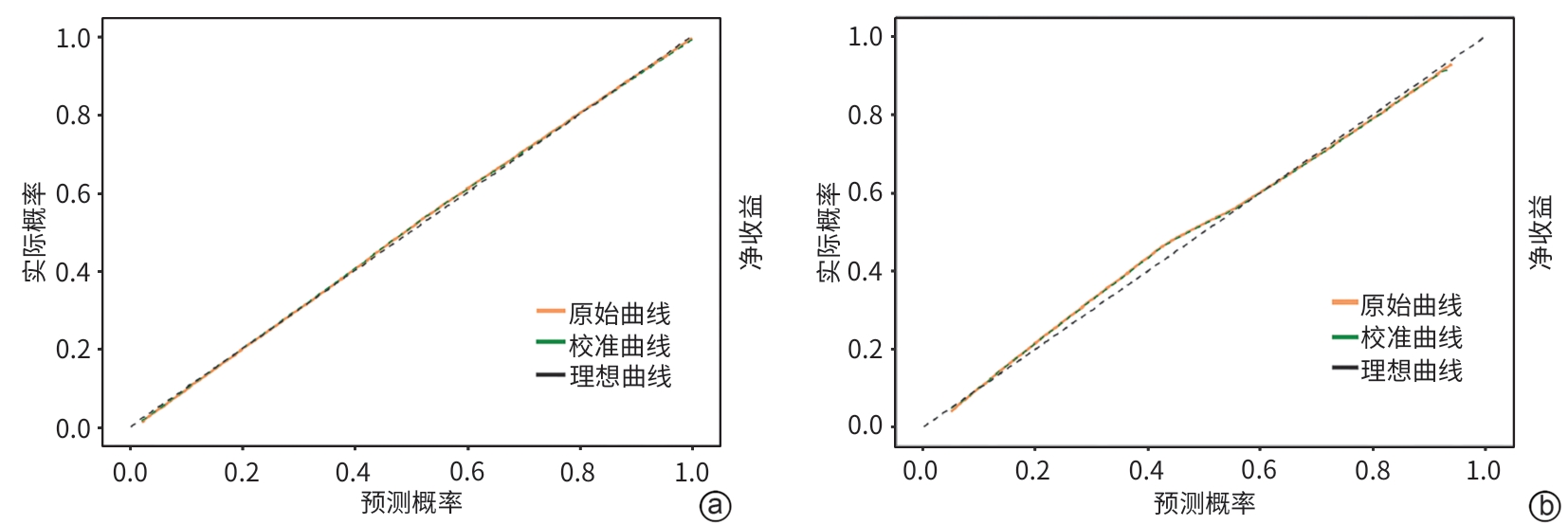
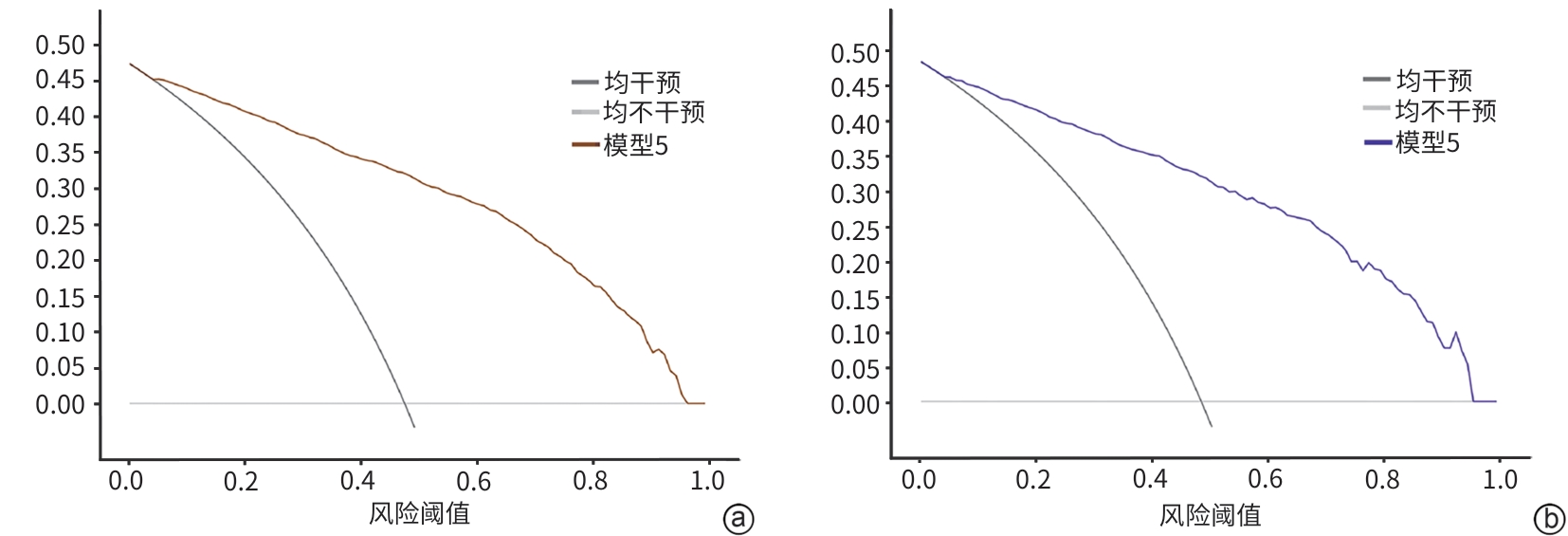
  •   Objective  To develop a novel clinical predictive model for metabolic dysfunction-associated fatty liver disease (MAFLD) based on metabolic markers and anthropometric indicators, and to provide a more effective tool for the early screening and intervention of MAFLD.  Methods  A retrospective analysis was performed for 2 824 individuals who underwent abdominal color Doppler ultrasound at Health Examination Center of The First Hospital of Lanzhou University from January 1, 2024 to January 1, 2025, and at a ratio of 7∶3, they were randomly divided into training set with 1 976 patients and validation set with 848 patients. Clinical data, serological markers, and abdominal ultrasound results were collected from all patients, and triglyceride-glucose (TyG) index, triglyceride-to-high-density lipoprotein cholesterol (TG/HDL-C) ratio, and anthropometric indicators were calculated. The independent samples t-test was used for comparison of normally distributed or approximately normally distributed continuous data between two groups, and the Mann-Whitney U test was used for comparison of continuous data with skewed distribution between two groups; the chi-square test or the Fisher’s exact test was used for comparison of categorical data between groups. The multivariate logistic regression analysis was used to identify independent predictive factors for MAFLD and intermediate- to high-risk MAFLD. Five risk prediction models were established for MAFLD based on the independent influencing factors, and a nomogram was plotted. The receiver operating characteristic (ROC) curve was plotted to assess model performance, and the area under the ROC curve (AUC) was calculated. The calibration curve was used to evaluate the predictive accuracy of the models, and decision curve analysis was used to assess the clinical practicability of the models. These models were then compared with traditional models.  Results  Among the 1 976 individuals in the training set, 937 (47.42%) were diagnosed with MAFLD, and 423 (21.41%) were diagnosed with intermediate- to high-risk MAFLD; among the 848 individuals in the validation set, 406 (47.88%) were diagnosed with MAFLD. The multivariate logistic regression analysis showed that male sex (odds ratio [OR]=0.23, 95% confidence interval [CI]: 0.13 — 0.39, P<0.05), waist circumference (OR=1.11, 95%CI: 1.06 — 1.17, P<0.05), alanine aminotransferase (ALT) >40 U/L (OR=2.24, 95%CI: 1.44 — 3.51, P<0.05), high-density lipoprotein cholesterol (HDL-C) (OR=0.07, 95%CI: 0.04 — 0.15, P<0.05), TyG index (OR=8.27, 95%CI: 5.09 — 13.44, P<0.05), TG/HDL-C ratio (OR=0.84, 95%CI: 0.71 — 0.99, P<0.05), A Body Shape Index (ABSI) (OR=0.45, 95%CI: 0.39 — 0.52, P<0.05), and body roundness index (BRI) (OR=2.31, 95%CI: 1.50 — 3.55, P<0.05) were independent influencing factors for MAFLD, and male sex (OR=0.17, 95%CI: 0.10 — 0.31, P<0.05), age (OR=1.09, 95%CI: 1.07 — 1.11, P<0.05), hemoglobin (OR=0.98, 95%CI: 0.97 — 0.98, P<0.05), platelet count (OR=0.81, 95%CI: 0.70 — 0.93, P<0.05), fasting blood glucose (OR=0.80, 95%CI: 0.71 — 0.89, P<0.05), triglycerides (OR=0.14, 95%CI: 0.07 — 0.29, P<0.05), TG/HDL-C ratio (OR=0.78, 95%CI: 0.67 — 0.91, P<0.05), TyG index (OR=5.26, 95%CI: 3.32 — 8.33), waist circumference (OR=2.50, 95%CI: 1.72 — 3.61, P<0.05), ABSI (OR=0.58, 95%CI: 0.51 — 0.66, P<0.05), and BRI (OR=0.01, 95%CI: 0.00 — 0.21, P<0.05) were independent influencing factors for intermediate- to high-risk MAFLD. Among the five models established, model 5 (incorporating sex, ALT elevation, HDL-C, TyG index, TG/HDL-C ratio, waist circumference, and ABSI) had the best performance, with an AUC of 0.917 (95%CI: 0.905 — 0.929) in the training set and 0.911 (95%CI: 0.892 — 0.930) in the validation set. The calibration curve showed that model 5 had good predictive accuracy, and the decision curve analysis confirmed its clinical practicability.  Conclusion  The predictive model for MAFLD constructed based on metabolic markers and anthropometric indicators has good discriminatory ability and can be used to assess the risk of MAFLD. In addition, this study shows that waist circumference, TyG index, TG/HDL-C ratio, ABSI, and BRI are independently associated with intermediate- to high-risk MAFLD, but further studies are needed to confirm their value in predicting liver fibrosis progression.


  • loading
  • [1]
    YOUNOSSI ZM, GOLABI P, PAIK JM, et al. The global epidemiology of nonalcoholic fatty liver disease(NAFLD) and nonalcoholic steatohepatitis(NASH): A systematic review[J]. Hepatology, 2023, 77( 4): 1335- 1347. DOI: 10.1097/HEP.0000000000000004.
    [2]
    TARGHER G, COREY KE, BYRNE CD, et al. The complex link between NAFLD and type 2 diabetes mellitus- mechanisms and treatments[J]. Nat Rev Gastroenterol Hepatol, 2021, 18( 9): 599- 612. DOI: 10.1038/s41575-021-00448-y.
    [3]
    BYRNE CD, TARGHER G. NAFLD: A multisystem disease[J]. J Hepatol, 2015, 62( 1): S47- S64. DOI: 10.1016/j.jhep.2014.12.012.
    [4]
    LI J, ZOU BY, YEO YH, et al. Prevalence, incidence, and outcome of non-alcoholic fatty liver disease in Asia, 1999-2019: A systematic review and meta-analysis[J]. Lancet Gastroenterol Hepatol, 2019, 4( 5): 389- 398. DOI: 10.1016/S2468-1253(19)30039-1.
    [5]
    ESTES C, RAZAVI H, LOOMBA R, et al. Modeling the epidemic of nonalcoholic fatty liver disease demonstrates an exponential increase in burden of disease[J]. Hepatology, 2018, 67( 1): 123- 133. DOI: 10.1002/hep.29466.
    [6]
    ESLAM M, NEWSOME PN, SARIN SK, et al. A new definition for metabolic dysfunction-associated fatty liver disease: An international expert consensus statement[J]. J Hepatol, 2020, 73( 1): 202- 209. DOI: 10.1016/j.jhep.2020.03.039.
    [7]
    ZHENG KY, YIN YZ, GUO H, et al. Association between the ZJU index and risk of new-onset non-alcoholic fatty liver disease in non-obese participants: A Chinese longitudinal prospective cohort study[J]. Front Endocrinol, 2024, 15: 1340644. DOI: 10.3389/fendo.2024.1340644.
    [8]
    LIU J, DUAN SJ, WANG C, et al. Optimum non-invasive predictive indicators for metabolic dysfunction-associated fatty liver disease and its subgroups in the Chinese population: A retrospective case-control study[J]. Front Endocrinol, 2022, 13: 1035418. DOI: 10.3389/fendo.2022.1035418.
    [9]
    XUE Y, XU JH, LI M, et al. Potential screening indicators for early diagnosis of NAFLD/MAFLD and liver fibrosis: Triglyceride glucose index-related parameters[J]. Front Endocrinol, 2022, 13: 951689. DOI: 10.3389/fendo.2022.951689.
    [10]
    COLANTONI A, BUCCI T, COCOMELLO N, et al. Lipid-based insulin-resistance markers predict cardiovascular events in metabolic dysfunction associated steatotic liver disease[J]. Cardiovasc Diabetol, 2024, 23( 1): 175. DOI: 10.1186/s12933-024-02263-6.
    [11]
    GRAUPERA I, THIELE M, SERRA-BURRIEL M, et al. Low accuracy of FIB-4 and NAFLD fibrosis scores for screening for liver fibrosis in the population[J]. Clin Gastroenterol Hepatol, 2022, 20( 11): 2567- 2576. e 6. DOI: 10.1016/j.cgh.2021.12.034.
    [12]
    Chinese Society of Hepatology, Chinese Medical Association. Guidelines for the prevention and treatment of metabolic dysfunction-associated(non-alcoholic) fatty liver disease(version 2024)[J]. J Prac Hepatol, 2024, 27( 4): 494- 510. DOI: 10.3760/cma.j.cn501113-20240327-00163.

    中华医学会肝病学分会. 代谢相关(非酒精性)脂肪性肝病防治指南(2024年版)[J]. 实用肝脏病杂志, 2024, 27( 4): 494- 510. DOI: 10.3760/cma.j.cn501113-20240327-00163.
    [13]
    LIU Z, HE H, DAI Y, et al. Comparison of the diagnostic value between triglyceride-glucose index and triglyceride to high-density lipoprotein cholesterol ratio in metabolic-associated fatty liver disease patients: A retrospective cross-sectional study[J]. Lipids Health Dis, 2022, 21( 1): 55. DOI: 10.1186/s12944-022-01661-7.
    [14]
    JIANG LN, ZHAO JM. Pathological mechanism of multi-organ injuries in metabolic dysfunction-associated fatty liver disease[J]. J Clin Hepatol, 2025, 41( 9): 1729- 1736. DOI: 10.12449/JCH250903.

    蒋丽娜, 赵景民. 代谢相关脂肪性肝病多器官损伤的病理机制[J]. 临床肝胆病杂志, 2025, 41( 9): 1729- 1736. DOI: 10.12449/JCH250903.
    [15]
    ZHANG C, ZHU PH, HE LL. Research progress on the correlation between metabolic associated fatty liver disease and cardiovascular disease risk[J/CD]. Chin J Liver Dis(Electronic Version), 2025, 17( 1): 12- 18. DOI: 10.3969/j.issn.1674-7380.2025.01.003.

    张成, 朱平辉, 何玲玲. 代谢相关脂肪性肝病与心血管疾病风险相关性研究现状[J/CD]. 中国肝脏病杂志(电子版), 2025, 17( 1): 12- 18. DOI: 10.3969/j.issn.1674-7380.2025.01.003.
    [16]
    FAHAMI M, HOJATI A, FARHANGI MA. Body shape index(ABSI), body roundness index(BRI) and risk factors of metabolic syndrome among overweight and obese adults: A cross-sectional study[J]. BMC Endocr Disord, 2024, 24( 1): 230. DOI: 10.1186/s12902-024-01763-6.
    [17]
    KRAKAUER NY, KRAKAUER JC. A new body shape index predicts mortality hazard independently of body mass index[J]. PLoS One, 2012, 7( 7): e39504. DOI: 10.1371/journal.pone.0039504.
    [18]
    ENG PC, DER TEO AE, LEOW MKS, et al. Body roundness index(BRI) and obesity-related anthropometrics: Relationship to visceral adiposity, insulin sensitivity index and cardiometabolic risk[J]. Diabetes Obes Metab, 2025, 27( 10): 5554- 5565. DOI: 10.1111/dom.16601.
    [19]
    WANG HY, ZHANG YX, LIU YP, et al. Comparison between traditional and new obesity measurement index for screening metabolic associated fatty liver disease[J]. Front Endocrinol, 2023, 14: 1163682. DOI: 10.3389/fendo.2023.1163682.
    [20]
    van EYCK A, KWANTEN WJ, PELEMAN C, et al. The role of adipose tissue and subsequent liver tissue hypoxia in obesity and early stage metabolic dysfunction associated steatotic liver disease[J]. Int J Obes, 2024, 48( 4): 512- 522. DOI: 10.1038/s41366-023-01443-w.
    [21]
    WU ZY, ZHOU D, LIU Y, et al. Association of TyG index and TG/HDL-C ratio with arterial stiffness progression in a non-normotensive population[J]. Cardiovasc Diabetol, 2021, 20( 1): 134. DOI: 10.1186/s12933-021-01330-6.
    [22]
    YANG B, ZHANG R. Progress on the treatment of metabolic associated fatty liver disease[J/CD]. Chin J Liver Dis(Electronic Version), 2024, 16( 4): 25- 30. DOI: 10.3969/j.issn.1674-7380.2024.04.004.

    杨彬, 张瑞. 代谢相关脂肪性肝病治疗进展[J/CD]. 中国肝脏病杂志(电子版), 2024, 16( 4): 25- 30. DOI: 10.3969/j.issn.1674-7380.2024.04.004.
    [23]
    XU MJ, WEI YS, YE LY, et al. Novel obesity and metabolic indices better predict non-alcoholic fatty liver disease in elderly T2DM patients: Evidence from cross-sectional and longitudinal analysis[J]. Front Med, 2025, 12: 1649466. DOI: 10.3389/fmed.2025.1649466.
    [24]
    ZHANG F, HAN Y, MAO YH, et al. Non-invasive prediction nomogram for predicting significant fibrosis in patients with metabolic-associated fatty liver disease: A cross-sectional study[J]. Ann Med, 2024, 56( 1): 2337739. DOI: 10.1080/07853890.2024.2337739.
    [25]
    HUANG X, LUO YK, DING YQ, et al. Research on the exploration and implementation effectiveness of ultrasound medicine based teaching measures for pairing assistance in county-level hospitals in Xinjiang[J]. Chin J Disaster Med, 2025, 12( 5): 541- 545. DOI: 10.13919/j.issn.2095-6274.ZHJY202500000.

    黄鑫, 罗渝昆, 丁益强, 等. 基于超声医学的对口帮扶新疆县级医院教学措施探索与实施成效研究[J]. 中华灾害救援医学, 2025, 12( 5): 541- 545. DOI: 10.13919/j.issn.2095-6274.ZHJY202500000.
  • 加载中

Catalog

    通讯作者: 陈斌, bchen63@163.com
    • 1. 

      沈阳化工大学材料科学与工程学院 沈阳 110142

    1. 本站搜索
    2. 百度学术搜索
    3. 万方数据库搜索
    4. CNKI搜索

    Figures(5)  / Tables(5)

    Article Metrics

    Article views (30) PDF downloads(9) Cited by()
    Proportional views
    Related

    /

    DownLoad:  Full-Size Img  PowerPoint
    Return
    Return